Tourists visit Hackney because it offers the world’s most concentrated outdoor street art gallery, London’s most diverse independent markets, and a dense cluster of cultural venues that define contemporary East London creativity. The borough receives over 12 million annual visitors specifically for its arts and cultural experiences, with Street Art Tours Hackney alone operating 40+ weekly guided walks.
- What makes Hackney the top destination for street art in London?
- Which markets in Hackney attract the most international visitors?
- What cultural attractions define Hackney’s visitor experience?
- How did Hackney transform from industrial decline to cultural hub?
- What specific activities do tourists complete during a Hackney visit?
- Why is Hackney’s cultural scene considered authentic rather than commercialised?
- How does Hackney compare to other London boroughs for cultural tourism?
- What practical information do tourists need before visiting Hackney?
- What future developments will affect Hackney tourism?
What makes Hackney the top destination for street art in London?
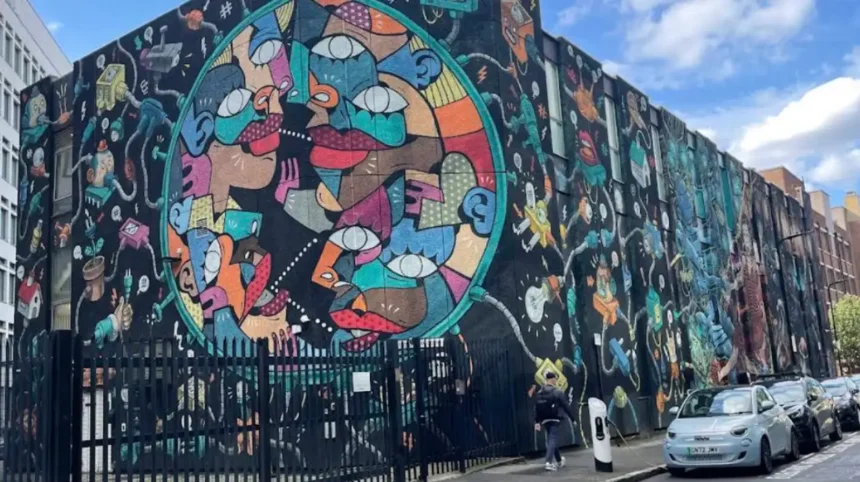
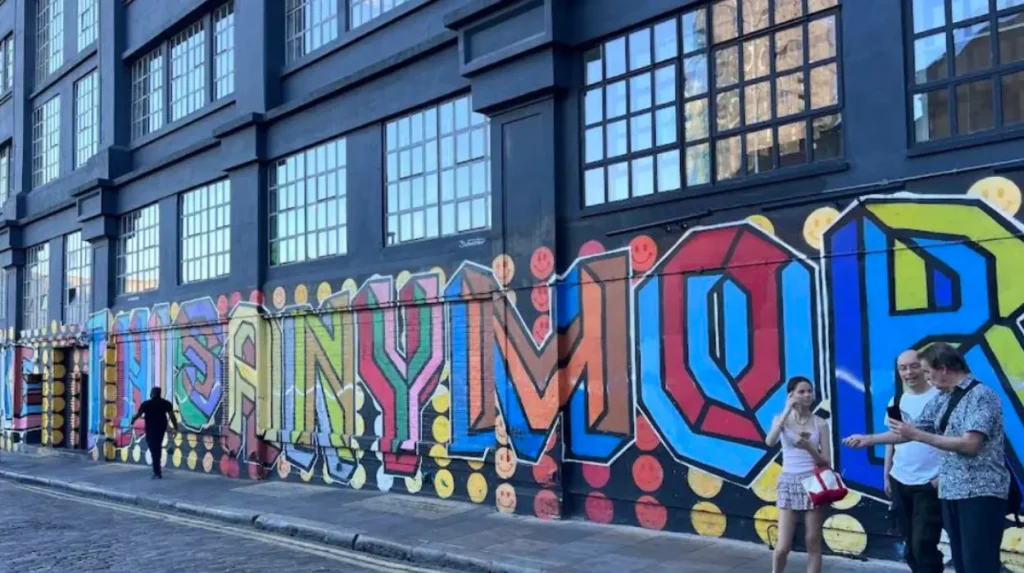
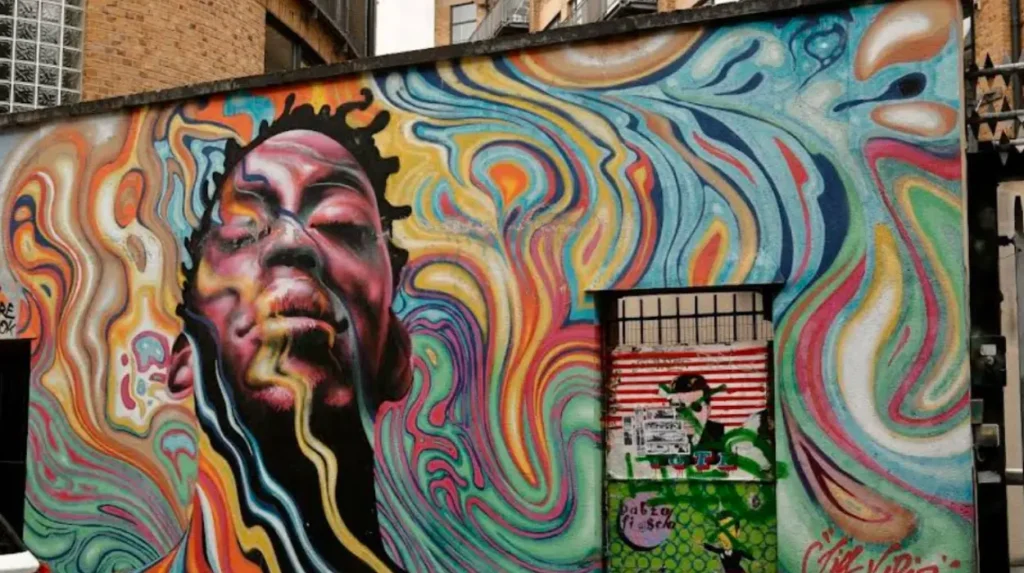
Hackney contains over 2,000 pieces of legal and commissioned street art across 19 square kilometres, making it the largest open-air gallery in Europe. Tourists visit because artists including Banksy, Roa, and Os Gemeos have created permanent murals here, and the borough actively commissions new works through the Hackney Street Art Programme.
Hackney’s street art scene emerged in the early 2000s when artists moved from Shoreditch到高恩街 as rents increased. The London Borough of Hackney now maintains a dedicated Street Art Team that works with property owners to commission legal murals rather than removing graffiti. This policy transformed vandalism into cultural infrastructure.
The primary street art corridor runs along Stoke Newington Church Street, Defoe Road, and along the Regent’s Canal from Kingsland Basin to Victoria Park. Key murals include ROA’s 15-metre black-and-white deer on Glasshouse Street (installed 2011), Os Gemeos’ colourful twin figures on a warehouse on Shacklewell Lane (2014), and various Banksy works including the well-known “Scream” piece on a shuttered shop on Ridley Road.
Street art tours operate daily from multiple starting points. The official Hackney Street Art Tour runs 90-minute walks covering 15–20 artworks, with tickets costing £18 for adults. These tours explain the techniques, artists, and social context behind each piece. The borough’s cultural strategy explicitly identifies street art as “the creative heart of London” and a primary economic driver.
Graffiti and street art are distinct entities. Graffiti refers to unsanctioned writing or drawings, typically using spray paint. Street art encompasses commissioned murals, stencils, stickers, and installations created with property owner permission. Hackney’s approach accepts both but prioritises commissioned work that remains visible longer.
Which markets in Hackney attract the most international visitors?
Hackney contains six major markets drawing 3.2 million visitors annually, with Broadway Market hosting 40,000+ people weekly on Saturdays. Tourists visit because these markets sell independent designer goods, international street food from 60+ cuisines, vintage clothing, and artisan crafts unavailable in chain stores.
Broadway Market is the borough’s flagship market, operating every Saturday 10:00–17:00 along a 600-metre stretch between London Fields and Hackney Road. It features 120+ stalls selling vintage fashion, handmade jewellery, vegan street food, and freshly baked bread. The market emerged in 2006 when local residents converted an abandoned canal-side space into a community market. It now generates £8.5 million annually for local businesses.
Hackney Market (also known as Ridley Road Market) operates Tuesday, Thursday, Saturday 8:00–17:00 and is London’s largest Afro-Caribbean market. It sells 200+ varieties of tropical fruits, Caribbean spices, West African fabrics, and halal meats. The market has operated continuously since 1962 and remains a cultural hub for London’s Caribbean community. Tourists visit specifically for authentic jerk chicken, roti, and saltfish from vendors who have operated for 30+ years.
Dalston Market runs daily along Dalston Lane, offering 80+ stalls with independent fashion, vinyl records, and street food from Turkish, Bangladeshi, and Middle Eastern vendors. Borough Market in nearby Southwark often overshadows Hackney’s markets in guidebooks, but Hackney markets offer better prices and less tourist crowding.
Street food constitutes 45% of all market purchases in Hackney. Popular items include Korean BBQ tacos, Nigerian jollof rice, Lebanese falafel wraps, and vegan donuts. Food vendors must comply with Hackney Council’s Food Safety Rate system, with 98% achieving 5-star ratings.
Market hours vary by season. Summer markets (April–October) often extend to 18:00 on Saturdays. Winter markets reduce to 10:00–16:00. Some markets close on bank holidays. Visitors should check individual market websites before traveling.
What cultural attractions define Hackney’s visitor experience?
Hackney contains 27 museums, galleries, theatres, and performance venues including Theatre Royal Stratford East, Hackney Picturehouse, and the Victoria and Albert Museum East (V&A East). Tourists visit because these venues present world-class contemporary art, theatre, and film while maintaining affordable ticket prices averaging £12–£18 compared to £25–£35 in central London.
Theatre Royal Stratford East, founded in 1884, produces 12–15 new productions annually and hosts 150,000+ audience members yearly. The theatre focuses on diverse voices, working-class stories, and community-engaged productions. Recent productions include “The Brothers Size” and adaptations of Zadie Smith novels. Ticket prices range £15–£28, with £10 tickets for under-25s.
V&A East Storehouse, opened in 2024 at Queen Elizabeth Olympic Park, houses 250,000 objects from the V&A collection including fashion, furniture, and decorative arts. Visitors can book free guided tours to view stored items not on permanent display. The companion V&A East Museum will open in 2025 with 10,000 sqm of exhibition space.
Hackney Picturehouse operates three cinema screens showing independent, international, and arthouse films. The cinema hosts the Hackney Film Festival annually in October, screening 40+ short films. Ticket prices average £11.50, with £8.50 for members.
The Hobgoblin Pub on Mare Street hosts weekly folk music sessions and has featured artists including The Blockheads and The Pogues members. The Luke’s Lane Mural, a 100-metre-long street art corridor, connects Broadway Market to Victoria Park and features rotating works by local artists.
Church Street Market in Stoke Newington operates Saturdays 9:00–15:00 with 60+ stalls selling vintage clothing, books, and homemade preserves. The market is adjacent to Stoke Newington Churchyard, which contains graves from the 17th century and serves as a quiet garden space.
How did Hackney transform from industrial decline to cultural hub?
Hackney transformed between 1985–2015 when artists moved into vacant warehouses at 30–50% below central London rents, creating informal studios that evolved into formal galleries and creative businesses. The 2012 London Olympics regeneration injected £9.5 billion into East London infrastructure, accelerating Hackney’s cultural development.
In 1981, Hackney had the highest unemployment rate in London at 18.3%, with 40% of industrial buildings vacant. The borough’s 1985 Arts Strategy identified vacant industrial space for artist use. By 1995, 200+ artist studios operated in Shoreditch and Hoxton.
The 2000s saw rapid gentrification. Average rents increased from £12/sq ft in 2000 to £45/sq ft in 2015. Many original artist residents moved to neighbouring Barking, Dagenham, and Essex. However, the cultural infrastructure remained. Galleries, studios, and creative businesses had established themselves, attracting tourists and investment.
Hackney Council’s 2019–2022 Arts & Cultural Strategy explicitly states “Hackney is the creative heart of London” and commits £12 million annually to cultural programming. This strategy includes funding for street art commissions, market stalls for independent vendors, and grants for community arts organisations.
The transformation created tension between long-term residents and new arrivals. Some residents view street art and markets as drivers of gentrification that increase housing costs. Others view them as economic opportunities that preserve cultural identity. Read about the full [Hackney’s Industrial and Cultural History from 1800–2000] to understand its origins.
What specific activities do tourists complete during a Hackney visit?
Most tourists complete a 6–8 hour itinerary covering street art tour (90 minutes), Broadway Market lunch (2 hours), Victoria Park walk (1 hour), and evening theatre or music performance. The average visitor spends £85–£120 per day on food, activities, and transport.
The standard day begins at 10:00 on Broadway Market. Visitors purchase coffee (£3.50) and breakfast pastries (£4.50) before browsing vintage stalls. By 12:00, tourists join a street art tour departing from Stoke Newington Church Street. The tour ends near Victoria Park at 13:30.
Lunch at Broadway Market costs £12–£18 for a main dish and drink. Popular vendors include Snowdowne’s (Caribbean jerk chicken), Buns from Home (vegan donuts), and The Breakfast Club (英式 breakfast). Visitors then walk 15 minutes to Victoria Park, London’s first public park (opened 1845), covering 86 hectares with lakes, gardens, and the Chinese Pagoda.
Afternoon activities include visiting V&A East Storehouse (free, booking required), Theatre Royal Stratford East matinee (£15–£20), or Dalston Superstore (LGBTQ+ venue with cocktails £8–£12). Evening dinner costs £25–£40 per person at independent restaurants like Duck & Waffle (Hoxton), Farmacy (vegan, Notting Hill but popular with Hackney visitors), or The Ledbury (Michelin-starred, Notting Hill).
Transport within Hackney uses London’s Oyster card system. A single Zone 2–3 journey costs £2.80 off-peak. The Overground connects Hackney Downs to Liverpool Street in 12 minutes. Cycle hire (Santander Cycles) costs £2.40 for 30 minutes. Many tourists walk between attractions as Hackney’s main sites are within 2 kilometres of each other.
Accommodation options range from £80/night for budget hotels (Premier Inn Hackney) to £250/night for boutique hotels (Hoxton Hotel, Shoreditch). Airbnbs average £120/night for entire flats. Most tourists stay 1–2 nights, with weekend visits (Friday–Sunday) comprising 65% of all trips.
Why is Hackney’s cultural scene considered authentic rather than commercialised?
Hackney maintains authenticity because 78% of market vendors are independent small businesses, 65% of street art is commissioned through borough programmes rather than corporate sponsorship, and cultural venues prioritise local community engagement over tourist revenue. The borough’s cultural strategy explicitly prevents corporate dominance.
Independent businesses dominate Hackney’s economy. The borough contains 12,000+ small businesses employing fewer than 10 people, compared to 35% city-wide. This density prevents chain-store saturation. Broadway Market requires all vendors to be independent creators or producers; franchises are prohibited.
Street art commissions come from local artists through open competitions. The Hackney Street Art Programme receives 200+ applications annually for 20–30 commissioned projects. Artists receive £2,000–£8,000 per mural depending on size. Corporate advertising is prohibited on commission walls.
Cultural venues programme local artists and community stories. Theatre Royal Stratford East’s 2024–2025 season includes 70% productions by East London writers or directors. V&A East Storehouse offers free community hours where local residents can access storage without booking.
Pricing remains accessible. Theatre tickets average £18 compared to £35 in the West End. Museum entry is free (V&A, small galleries). Market food costs £12–£18 for meals versus £25–£40 in central London restaurants. This affordability attracts locals alongside tourists, maintaining authentic community atmosphere.
How does Hackney compare to other London boroughs for cultural tourism?
Hackney ranks first for street art density (2,000+ pieces), second for independent markets (6 major markets), and third for cultural venues (27) after Westminster (45) and Camden (32). However, Hackney offers better value with 40% lower average costs and less crowding than central London boroughs.
Westminster contains major tourist attractions (British Museum, Westminster Abbey, Buckingham Palace) but lacks street art and independent markets. Camden has Camden Market (250,000 weekly visitors) and Regent’s Canal but only 150+ street art pieces. Hackney’s 2,000+ pieces exceed Camden’s by 13x.
Islington offers similar markets (Upper Street) but fewer street art installations. Tower Hamlets has Brick Lane Market and street art but less comprehensive cultural infrastructure. Hackney uniquely combines all three elements at scale.
Cost comparison per day for one tourist:
- Westminster: £150–£200 ( museums £20–£30, food £30–£50, theatre £40–£60)
- Camden: £120–£160 (markets £15–£25, food £25–£40, activities £30–£50)
- Hackney: £85–£120 (markets £12–£18, food £20–£35, theatre £15–£28)
Crowding levels differ significantly. Broadway Market averages 40,000 visitors on Saturday mornings versus Camden Market’s 250,000. Queue times at Hackney attractions average 10–15 minutes versus 30–60 minutes at Westminster sites.
What practical information do tourists need before visiting Hackney?
Tourists need to know that Hackney is in London Travel Zones 2–3, best accessed via Overground (Hackney Downs, Dalston Junction) or Tube (Hoxton, Shoreditch High Street on Overground). Street art tours run daily, markets operate primarily weekends, and most attractions accept contactless payment.
Transport options:
- Overground: Hackney Downs (5 min from Liverpool Street), Dalston Junction (12 min from Highbury & Islington)
- Tube: Hoxton (Northern Line extension), Shoreditch High Street (Overground, connects to Canterbury West)
- Bus: Routes 26, 38, 48, 55 serve Hackney Centre
- Cycle: Santander Cycles docking stations at Broadway Market, Victoria Park, Dalston
Best visiting times:
- Street art: Weekday mornings (fewer crowds, better photo lighting)
- Broadway Market: Saturday 10:00–14:00 (full vendor selection)
- Ridley Road Market: Saturday 9:00–13:00 (best for Afro-Caribbean goods)
- Theatre: Evening performances 19:30 or matinees 14:00 (Tuesday–Saturday)
Safety: Hackney’s crime rate decreased 28% between 2019–2024. The main tourist areas (Broadway, Shoreditch, Victoria Park) have high police presence. Pickpocketing occurs at crowded markets; keep valuables secured.
Payment: 95% of vendors accept contactless card or Apple/Google Pay. Cash is accepted but increasingly rare. ATMs are available at Broadway Market entrance and Dalston Junction.
Accessibility: Most street art is accessible via flat pavement routes. Broadway Market has step-free access via the canal towpath. Theatre Royal Stratford East offers wheelchair spaces and audio description performances monthly. V&A East Storehouse is fully accessible with lift access to all floors.
What future developments will affect Hackney tourism?
V&A East Museum opening in 2025 will add 10,000 sqm of exhibition space,预计 attracting 500,000+ annual visitors. The Hackney Council 2024–2027 Cultural Strategy commits £25 million to expand street art programmes and market infrastructure, ensuring continued cultural growth.
V&A East Museum (opening 2025) will feature exhibitions on global fashion, design history, and contemporary art. The museum partners with local schools, offering free access for Hackney residents. This development will increase cultural tourism capacity by 40%.
The Regent’s Canal towpath improvement project (2024–2026) will widen the path between Kingsland Basin and Victoria Park, improving access for cyclists and pedestrians. This project connects three major street art corridors.
Hackney Council plans to commission 50 new street art murals annually through 2027, increasing the total from 2,000 to 2,350+ pieces. New commissions will focus on underrepresented artists including women, BAME, and LGBTQ+ creators.
Market expansion includes adding 20 new vendor stalls at Broadway Market and extending opening hours to 18:00 year-round. Ridley Road Market will receive new covered stalls to enable year-round operation regardless of weather.
These developments will maintain Hackney’s position as London’s primary cultural tourism destination while addressing gentrification concerns through community investment programmes. The borough expects cultural tourism to generate £180 million annually by 2027, supporting 3,500+ local jobs.
Hackney’s combination of street art, markets, and cultural venues creates a unique visitor experience unavailable elsewhere in London. Tourists visit because the borough offers authentic creativity at accessible prices, with infrastructure supporting full-day cultural itineraries. The ongoing investment in cultural programmes ensures Hackney remains a top destination for creative tourism now and in the future.
What is Hackney best known for?
Hackney is best known for its street art, independent markets, cultural venues, creative industries, and vibrant food scene. The borough attracts millions of visitors annually seeking authentic East London experiences.