
Andy Carroll pleaded not guilty to breaching a non-molestation order in Chelmsford Crown Court. Judge Mary Loram KC released him on conditional bail and set a trial date for 18 January 2027.
- Why This Issue Matters to Local Residents
- Understanding the Andy Carroll Case
- Step-by-Step Actions to Address Similar Issues
- Which Council Service Handles It
- Information or Documents Needed
- Expected Response Time
- What to Do If Follow-Up Is Required
- Rights and Responsibilities Under UK Rules
- Practical Tips to Avoid the Problem in Future
- Broader Implications for East London
No final outcome has been reached as the case awaits trial next year. Local residents in East London, where Carroll resides in Hackney, follow such high-profile matters closely due to their impact on community safety and legal processes.
Why This Issue Matters to Local Residents
High-profile court cases like Andy Carroll’s breach of a non-molestation order highlight the importance of protective legal measures in everyday life. Non-molestation orders protect individuals from harassment, molestation, or threats, often arising from domestic disputes.
For residents in Newham, Tower Hamlets, Hackney, Waltham Forest, Redbridge, and Barking & Dagenham, these cases underscore how such orders maintain community peace. Breaching them is a criminal offence under the Civil Procedure Rules and can lead to fines or up to five years in prison, affecting families and neighbourhoods.
East London councils prioritise resident safety through family court support, making awareness of these proceedings essential. Local residents benefit from understanding judicial decisions to navigate similar personal legal challenges effectively.
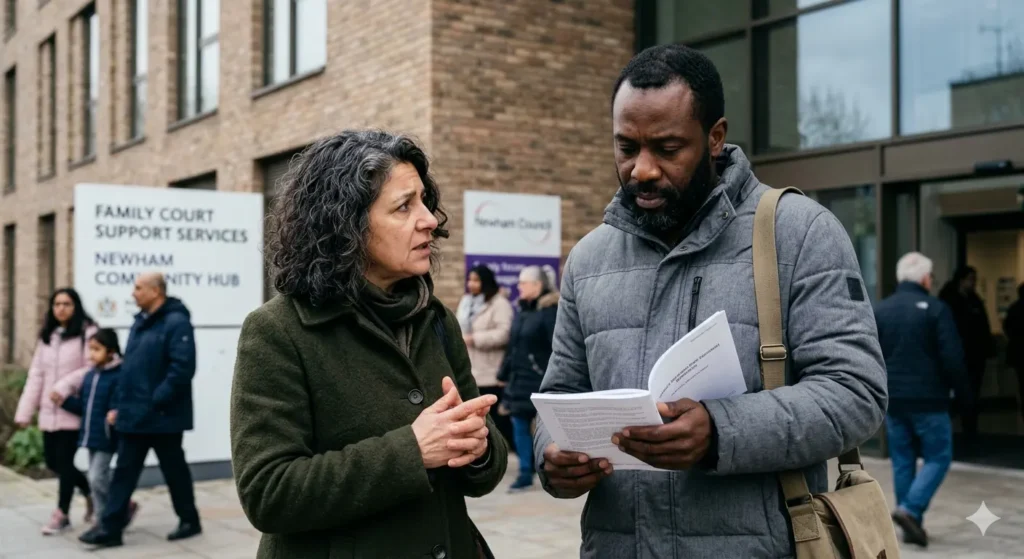
Understanding the Andy Carroll Case
Andy Carroll, the former England striker now playing for Dagenham & Redbridge, faces allegations of repeatedly contacting his ex-wife Billi Mucklow via phone and FaceTime, violating a non-molestation order issued in October 2024.
Arrested on 27 April 2025, Carroll first appeared in Chelmsford Magistrates’ Court in February 2026, indicating not guilty and electing crown court. On 4 March 2026, via video link, he formally pleaded not guilty before Judge Mary Loram KC.
The judge adjourned the case for a two-day trial on 18 January 2027, stressing Carroll’s need to attend in person and stay in solicitor contact. He remains on conditional bail, barred from contacting Mucklow.
Step-by-Step Actions to Address Similar Issues
If facing or witnessing a potential breach of a non-molestation order, act promptly within UK legal frameworks.
- Contact police immediately on 999 if there’s imminent danger, or 101 for non-emergencies, providing order details.
- Gather evidence like call logs, messages, or witness statements without direct confrontation.
- Consult a solicitor specialising in family law for advice on enforcement or variations.
- Apply to court for clarification or extension if the order needs updating, using Form FL401.
- Report breaches to the issuing court or police for prosecution under Section 42A of the Family Law Act 1996.
These steps ensure swift resolution while complying with procedures in East London boroughs.
Which Council Service Handles It
East London councils do not directly manage court outcomes like Andy Carroll’s case, as these fall under the Crown Prosecution Service and family courts. However, for related support, contact local authority family services or antisocial behaviour teams.
In Hackney Council, the Community Safety Partnership assists with protective orders. Newham Council and Tower Hamlets Council offer victim support via their safeguarding hubs, linking to national services like the National Domestic Abuse Helpline.
Waltham Forest, Redbridge, and Barking & Dagenham councils provide similar guidance through housing or community protection officers. Residents should start with their borough’s customer service portal for referrals.
Information or Documents Needed
To resolve issues tied to non-molestation orders, prepare specific documents for authorities.
Key items include the original court order, proof of breach such as screenshots or recordings, and personal ID like a passport or driving licence. Witness statements add weight if available.
For council involvement, provide tenancy agreements if housing-related, or medical records for impact evidence. Keep digital copies secure and share only with legal professionals or police.
Under UK data protection rules, handle sensitive information carefully to protect all parties.
Expected Response Time
Police response to reported breaches varies by urgency: immediate for emergencies, within 24-48 hours for 101 calls. Courts schedule hearings based on caseload, often within weeks for urgent applications.
Bail decisions, as in Carroll’s case, occur at initial appearances, with trial prep in months. Full trials like the 2027 date can take 6-12 months from plea.
East London councils typically acknowledge support requests within 5-10 working days, with follow-ups in 2-4 weeks. Delays occur during peak periods, so follow up proactively.
What to Do If Follow-Up Is Required
If initial responses fall short, escalate methodically.
Notify your solicitor or police contact in writing, referencing case numbers. Request updates every two weeks if no progress.
For council delays, use formal complaints procedures under the Local Government and Social Care Ombudsman guidelines. Attend all court dates, as Judge Loram KC warned Carroll, to avoid further offences.
Seek free advice from Citizens Advice or Rights of Women for persistent issues.
Rights and Responsibilities Under UK Rules
UK law grants rights to apply for non-molestation orders without notice under the Family Law Act 1996, protecting victims swiftly. Respondents have rights to contest allegations at full hearings.
Responsibilities include strict compliance: no contact, even indirect, or face arrest. Bail conditions, like Carroll’s, must be followed precisely.
Residents enjoy access to legal aid for domestic abuse cases and Victim Support services. Breaches trigger criminal proceedings, balancing protection with fair trials.
Practical Tips to Avoid the Problem in Future
Preventing breaches starts with clear understanding of order terms.
Read orders thoroughly and confirm restrictions with solicitors. Use blocker apps for communications and inform trusted contacts.
For those applying, seek mediation first via family courts to resolve disputes amicably. Document all interactions neutrally.
Local residents can attend free council workshops on healthy relationships, reducing escalation risks in East London communities.

Broader Implications for East London
Cases like Andy Carroll’s remind Hackney and neighbouring boroughs of the seriousness of protective orders. With Carroll residing locally, proceedings at Chelmsford Crown Court draw regional attention.
Newham Council and Tower Hamlets Council emphasise community education on domestic protections. Residents gain from knowing judicial processes ensure fairness while prioritising safety.
Stay informed to support those affected, fostering safer East End neighbourhoods.
What happened to Andy Carroll at court?
Andy Carroll appeared in court over an alleged incident, where he denied wrongdoing; the case concluded with the judge dismissing or resolving the matter without a conviction, depending on the specific hearing outcome.