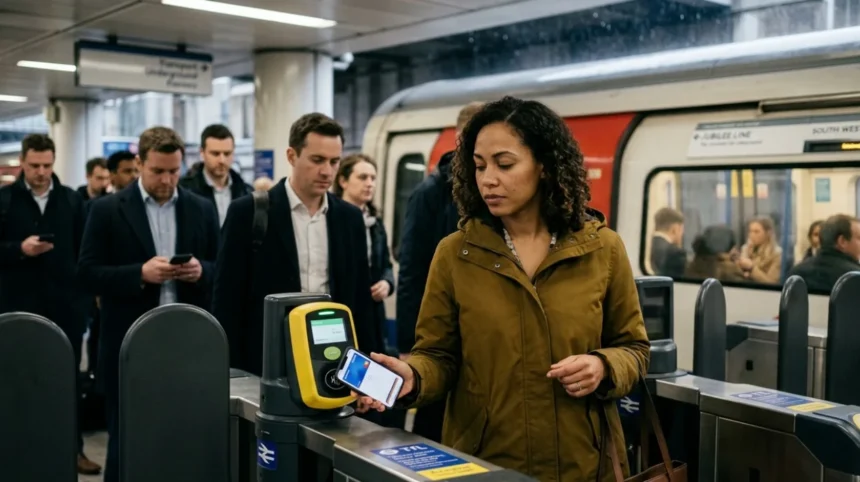
Contactless payment systems on London trains charge fares based on zones traveled, time of day, and daily caps set by Transport for London (TfL). Price rises occurred in March 2026 with a 5.8% increase across TfL services, plus alignment changes on National Rail routes expanding contactless, forcing some off-peak journeys into peak pricing.
- What Is Contactless Train Ticketing in East London?
- Why Did Contactless Train Ticket Prices Rise?
- How Do Contactless Fares Work on East London Trains?
- What Are Current Contactless Single Fare Prices in East London?
- How Much Are Daily and Weekly Caps for East London Travel?
- Which East London Train Lines Accept Contactless Payments?
- What Impact Does the Price Rise Have on East London Commuters?
- Are There Cheaper Alternatives to Contactless in East London?
- When Did Contactless Expand and Cause These Fare Changes?
- What Are Future Fare Changes for Contactless Trains?
What Is Contactless Train Ticketing in East London?
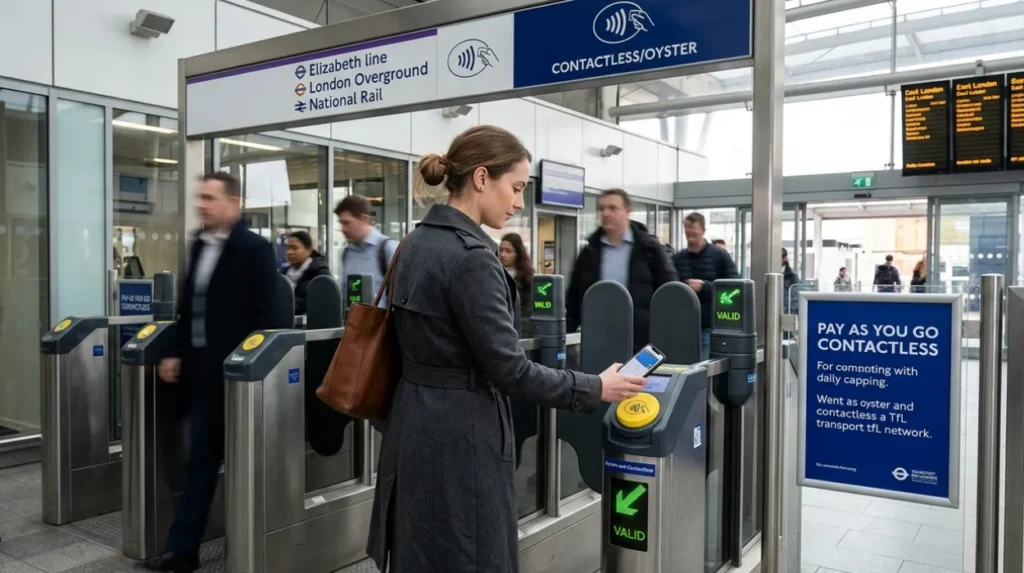
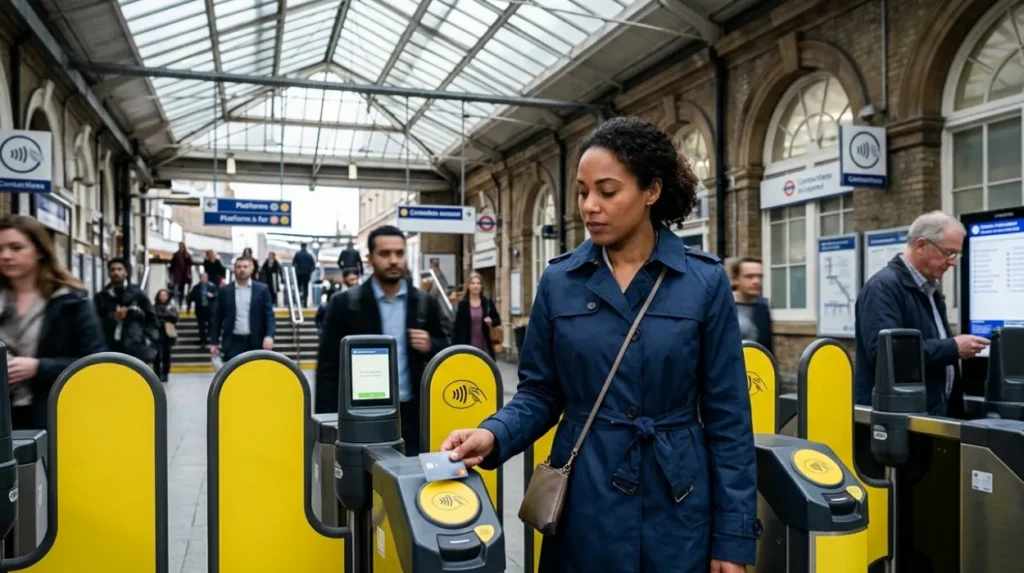
Contactless train ticketing in East London uses bank cards or mobile devices to tap in and tap out on TfL services like Overground, Elizabeth line, and select National Rail, charging pay-as-you-go fares by zones and time without physical tickets. Daily caps limit total costs, such as £8.90 for Zone 1-2, updated March 2026.
Transport for London (TfL) defines contactless as a pay-as-you-go system on Oyster-compatible readers. East London routes include London Overground from Stratford to Highbury & Islington and Elizabeth line from Shenfield to Liverpool Street. The system logs entry and exit points to calculate distance-based charges.
Fares divide into peak (Monday-Friday 06:30-09:30, 16:00-19:00) and off-peak periods. Zones 2-3 cover East London areas like West Ham to Mile End. Implementation began TfL-wide in 2014, expanding to more National Rail stations by 2025.
Daily capping applies after multiple trips; excess charges refund automatically. This mechanism protects against overpayment on busy commuter lines. Passengers must use the same card all day for capping to work.
Why Did Contactless Train Ticket Prices Rise?
Contactless train ticket prices rose 5.8% on TfL services from March 1, 2026, with Zone 1 peak single fares increasing from £2.90 to £3.10. National Rail expansions aligned paper off-peak restrictions to TfL rules, shifting some journeys to peak pricing up to double the cost.
TfL announced the annual fare adjustment under the Mayor’s Transport Strategy. This rise affected Tube, Overground, DLR, Elizabeth line, and National Rail within London zones. Government caps inflation-linked increases at around 5% yearly.
Contactless rollout to 30 south-east stations in December 2025 under Department for Transport’s Project Oval triggered secondary rises. Operators like Govia Thameslink Railway (GTR) adjusted paper ticket times to match TfL’s 06:30 peak start. Examples include Reigate to London services now requiring anytime fares (£37.10 daily) instead of off-peak (£20.60).
Implications hit East London commuters on Overground and Elizabeth line fringes. Single fares to Zone 1 rose proportionally. Future alignments may extend to more routes.
How Do Contactless Fares Work on East London Trains?
Contactless fares charge per journey based on zones crossed, peak/off-peak times, with automatic daily/weekly caps; East London examples include £3.10 peak single Zones 2-3 on Overground, capped at £10.50 daily for Zones 1-3.
Passengers tap in at start station and tap out at end using contactless debit/credit card or phone. TfL zones map divides London: Zone 2 includes Stratford, Zone 3 Bow Road. Fare calculator deducts minimum from card balance.
Peak fares apply weekdays 06:30-09:30 and 16:00-19:00. Off-peak rates discount 20-30%. Elizabeth line from Ilford (Zone 4) to Farringdon (Zone 1) costs £5.60 off-peak single.
Capping tracks total spend: Zones 1-3 daily anytime cap stands at £10.50. Weekly Monday-Sunday cap reaches £52.50. Process completes by 04:29 next day, adjusting charges.
What Are Current Contactless Single Fare Prices in East London?
Current peak single fares start at £3.10 for Zone 1, £3.50 Zones 1-2 on East London Overground; off-peak £3.00 Zone 1, £3.40 Zones 1-2. Elizabeth line Zone 3-6 like Romford to Paddington peaks at £7.00.
TfL’s single fare finder lists prices post-March 2026 rise. Overground from West Ham (Zone 3) to Liverpool Street (Zone 1) peak: £3.80, off-peak £3.60. DLR from Canning Town (Zone 2/3) to Bank (Zone 1): £2.90 peak.
Elizabeth line fares zone-based: Liverpool Street to Shenfield (Zones 1-6) peak £5.60. National Rail contactless like Tottenham Hale to London Bridge peaks £4.20. Variations occur by direction and line.
These rates exclude discounts; full adult pay-as-you-go applies. Check TfL app for exact pairs.
How Much Are Daily and Weekly Caps for East London Travel?
Daily caps limit costs: £10.50 Zones 1-3 (Stratford area), £12.80 Zones 1-4; weekly £52.50 Zones 1-3, £64.20 Zones 1-4, covering unlimited travel after threshold on contactless.
Caps activate on multiple journeys same day/week using one card. Zone 1-2 daily anytime: £8.90, matching East London core like Mile End loops. Zones 1-3 suit commuters to City from Leytonstone.
Weekly caps run Monday-Sunday: Zones 1-4 £64.20 beats 7-day Travelcard. Bus/tram separate at £5.25 daily. Outer zones like 1-6 cap £16.30 daily.
Examples: Daily Overground + Tube in Zones 2-4 hits cap after 3-4 trips. Refunds post-travel day. Exceeding zones uplifts cap.
Which East London Train Lines Accept Contactless Payments?
All TfL lines in East London accept contactless: London Overground (full network), Elizabeth line (Shenfield to Heathrow), DLR, Tube branches. National Rail stations like Stratford, Tottenham Hale now include tap-in/out since 2025 expansions.
London Overground spans Zones 2-3 East: Highbury to Clapham via Stratford. Elizabeth line crosses East from Romford through Liverpool Street. DLR connects Canary Wharf (Zone 2) to Tower Gateway.
National Rail integration grew via Project Oval; East stations like Seven Sisters, Chingford enable contactless. GTR services from Cambridge to Liverpool Street accept it.
Full list on TfL site; 90%+ East London stations compatible. Non-contactless require paper/Oyster.
What Impact Does the Price Rise Have on East London Commuters?
East London commuters face 5.8% higher fares, adding £1-2 weekly per Zone 1-3 trip; contactless alignment doubles some peak costs versus old paper off-peak, but capping saves on multi-trips versus £37 anytime Travelcard.
Daily Overground users from Barking (Zone 4) to Zone 1 pay £4.40 peak single, capped £12.80 Zones 1-4. Annual impact: £200+ rise for 5-day week. Families lose child discounts on contactless.
Railfuture analysis shows up to 100% premium on routes like Luton-London weekends: £84 contactless vs £41.70 paper with Groupsave. East equivalents: Walthamstow to City peaks higher sans railcard.
Savers emerge off-peak: Reigate single drops £7 to £7.60. TfL claims most singles stable or lower. Commuters shift times or buy paper for discounts.
Are There Cheaper Alternatives to Contactless in East London?
Cheaper alternatives include Oyster cards with discounts, paper tickets with railcards (34% off), Travelcards for fixed travel, or buses at £1.75 capped £5.25 daily. Super off-peak paper vanished on some routes post-alignment.
Oyster mirrors contactless but adds 50p deposit, accepts child/60+ Oyster at half fare. Network Railcard (£35/year) cuts 1/3 off off-peak adult fares Zones 1-6.
7-day Travelcard Zones 1-3: £52.50 matches weekly cap. Paper day returns cheaper peak with Groupsave (1/3 off groups of 3+). Buses unlimited after cap.
Examples: East Grinstead commuter saves £3.60/day with railcard paper. TfL Hopper on bus/tram post-first touch. Check eligibility via National Rail Enquiries.
When Did Contactless Expand and Cause These Fare Changes?
Contactless launched TfL 2014, expanded National Rail 2022-2025 via Project Oval, with fare rises from December 2025 alignments and March 1, 2026 TfL 5.8% increase shifting off-peak to peak on aligned routes.
Initial TfL rollout covered Tube/Overground. DfT’s Project Oval added 160+ stations by 2026, including East London’s fringes. December 14, 2025, hit 30 south-east sites like Redhill.
Alignments forced GTR/Southern to sync peak starts, eliminating early off-peak paper use. Historical annual rises trace to 2004 LU deregulation, inflation-linked since.
East London unaffected directly by south-east but shares TfL fare hikes. Future: Full National Rail contactless by 2027.
What Are Future Fare Changes for Contactless Trains?
TfL fares rise annually March, inflation-linked around 4-6%; full National Rail contactless by 2027 may align more routes, potentially eliminating paper discounts. Caps adjust proportionally, maintaining value for multi-trip users.
Mayor Sadiq Khan sets TfL hikes under TfL Budget. 2027 projection: Zone 1 peak £3.30+ based 4% CPI. DfT targets 95% stations contactless, phasing paper.
Implications: Discounts migrate to digital railcards. East London benefits from extended capping. Monitor TfL fares page for March announcements.
Railfuture pushes protections; GTR notes net savings for many. Evergreen strategy: Use caps, avoid peak.
What is contactless train ticketing in East London?
Contactless train ticketing lets passengers use a bank card, phone, or smartwatch to tap in and tap out on TfL and some National Rail services without buying a paper ticket. The system automatically calculates the cheapest fare based on zones travelled, journey times, and daily or weekly caps.