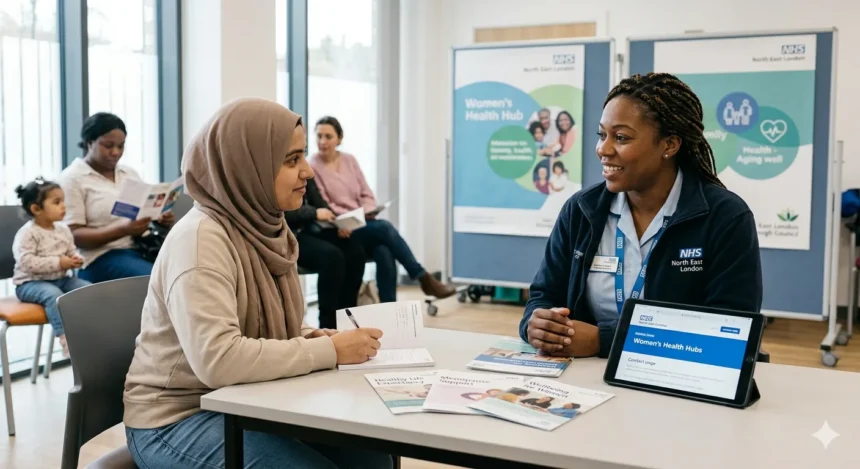
East London residents in Newham, Tower Hamlets, Hackney, Waltham Forest, Redbridge, and Barking & Dagenham can access “healthy life expectancy” support for women through local council public health teams and NHS North East London Women’s Health Hubs. These services focus on improving years lived in good health by addressing women’s health issues like menopause, periods, and wellbeing. Contact your East London council public health department or find your nearest Women’s Health Hub via the NHS North East London website to get started quickly.
Why This Matters to Local Residents
Healthy life expectancy measures years lived in good health, without disability or poor health, and is lower than overall life expectancy in East London boroughs. Women in Barking & Dagenham have a healthy life expectancy of around 81 years total but far fewer in good health, while Newham women average 64.6 years healthy out of 83 total. Local residents face health inequalities, with women spending up to 19 years in poor health, affecting independence and quality of life.
In Tower Hamlets and Hackney, women experience shorter healthy years due to factors like inactivity and long-term conditions. Waltham Forest women have improved to 68 healthy years, but gaps remain around 16 years. Redbridge women match men at 63.8 healthy years, highlighting needs for better support. Accessing these services helps East London council residents extend healthy years through targeted women’s health care.
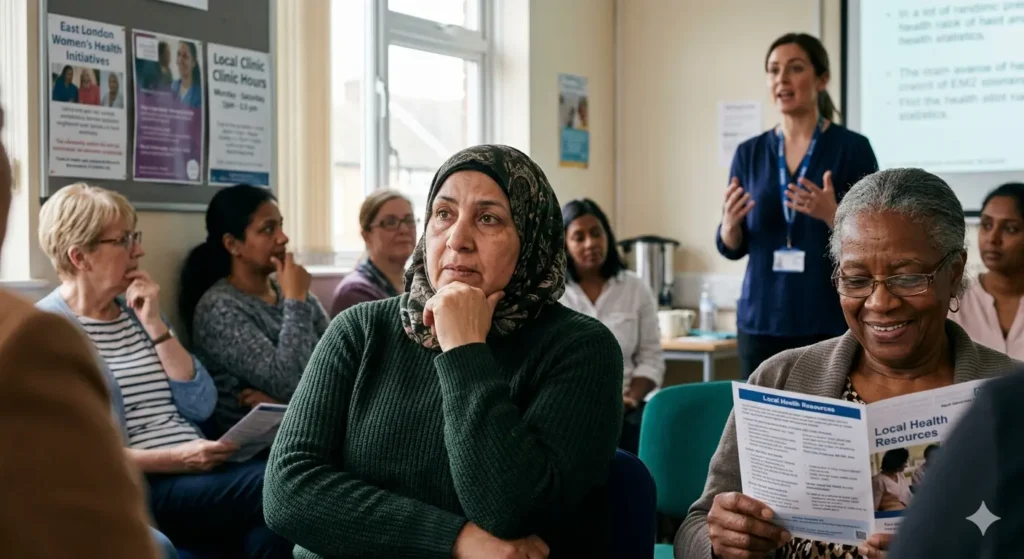
Step-by-Step Actions
Follow these practical steps to access support from your local East London council or NHS services.
- Identify your borough: Confirm if you live in Newham, Tower Hamlets, Hackney, Waltham Forest, Redbridge, or Barking & Dagenham.
- Contact public health: Reach out to your council’s public health team for initial advice on healthy life expectancy programmes.
- Self-refer to Women’s Health Hub: Use the NHS North East London site to locate and self-refer to the nearest hub covering your area.
- Attend assessment: Discuss symptoms like menopause or periods with hub specialists for personalised plans.
- Join wellbeing activities: Enrol in council-recommended exercise, nutrition, or social groups to build healthier habits.
These actions connect local residents directly to services improving women’s health outcomes.
Council Services Involved
Public health teams in each East London council handle healthy life expectancy support, linking to NHS Women’s Health Hubs across Newham council, Tower Hamlets council, and others. Newham council’s public health focuses on inequalities via JSNA reports and wellbeing initiatives. Tower Hamlets council runs women-only fitness events and partners with hubs at Mile End Hospital.
Hackney council’s ageing well strategy supports older women through priority areas like joined-up health services. Waltham Forest council tracks improvements and offers JSNA data-driven support. Redbridge and Barking & Dagenham councils address gaps via annual health reports and community programmes. All align with North East London ICB for hubs tackling menopause and more.
Information or Documents Needed
Prepare basic details to speed up access for East London council residents.
Provide your full name, address, date of birth, and NHS number if known. Describe health concerns, such as menopause symptoms, heavy periods, or fatigue impacting daily life. No formal documents are usually required for initial contact, but bring ID for in-person visits. GP referral letters help if available, though self-referral is standard for hubs.
Councils may ask for proof of residency, like a utility bill, for local services. Health summaries from your GP enhance assessments. Keep notes on lifestyle factors like diet or activity levels to discuss fully.
Expected Response Time
Councils and hubs aim for quick access, with triage often within days. Women’s Health Hubs in Tower Hamlets reduced gynaecology waits from 27 to 11 weeks. Initial public health advice from Newham council or others comes same-week via enquiry forms.
Assessments typically occur within 2-4 weeks, faster for urgent issues. Wellbeing referrals, like exercise groups, start immediately. Follow-up plans roll out promptly, helping local residents maintain momentum.
Follow-Up Actions Required
If initial support ends without resolution, request a review from your East London council public health team. Escalate to the hub coordinator for persistent issues like unmanaged symptoms. Attend offered follow-ups, such as 6-week check-ins on menopause plans.
Track progress with a personal health journal. Re-contact if new concerns arise, using the same self-referral path. Councils encourage ongoing engagement for sustained healthy life expectancy gains.
Rights and Responsibilities
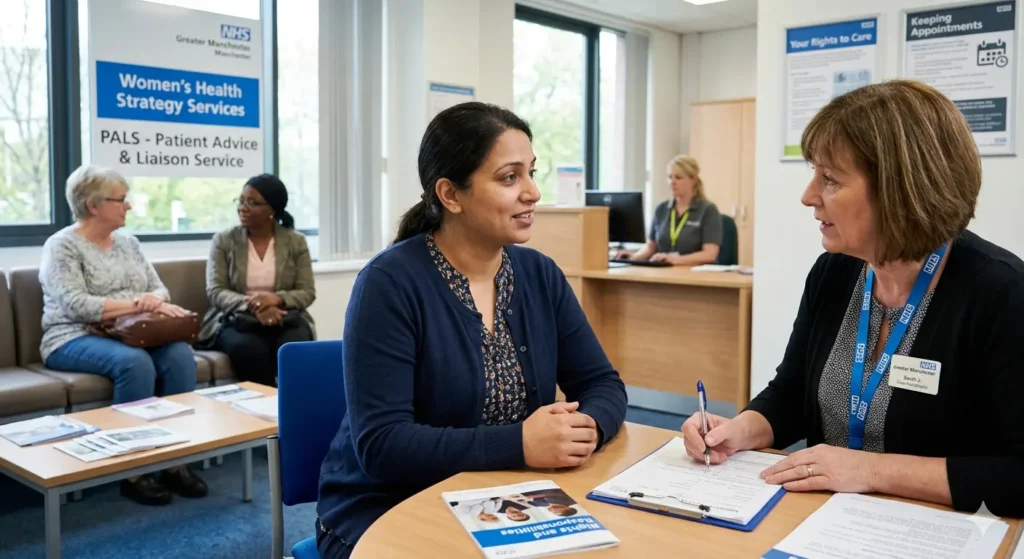
Under UK rules, women have rights to timely NHS care via hubs and council services, including equitable access regardless of background. The Women’s Health Strategy ensures person-centred support for issues affecting healthy years. Local residents must provide accurate information and attend appointments to uphold responsibilities.
Councils follow data protection laws, keeping health details confidential. You can complain via PALS if needed, and appeal decisions formally. Active participation maximises benefits under these frameworks.
Practical Tips for the Future
Maintain healthy life expectancy by adopting daily walks in local parks, a staple in Tower Hamlets women-only sessions. Eat balanced meals with East London market produce to support nutrition goals. Schedule regular GP checks for early menopause or period issues.
Join community groups via councils for social connections reducing isolation. Track personal health metrics like weight or energy levels monthly. Stay informed on hub updates to prevent gaps in care.
Prioritise sleep and stress management through free council wellbeing apps or classes. These habits empower Newham council, Tower Hamlets council, and other local residents to extend healthy years independently.
What counts as healthy life expectancy?
Healthy life expectancy refers to the average number of years a person is expected to live in good health, without serious illness or disability. Women can access local health support services, screenings, and wellbeing programmes through their council or NHS services to help improve and maintain healthy life expectancy.