To report a broken street light in East London, contact your local council’s highways or street lighting team via their online form, phone, or app like FixMyStreet. Provide the exact location, lamp number if visible, and fault details for a swift response from Newham council, Tower Hamlets council, or others.
Why This Issue Matters to Local Residents
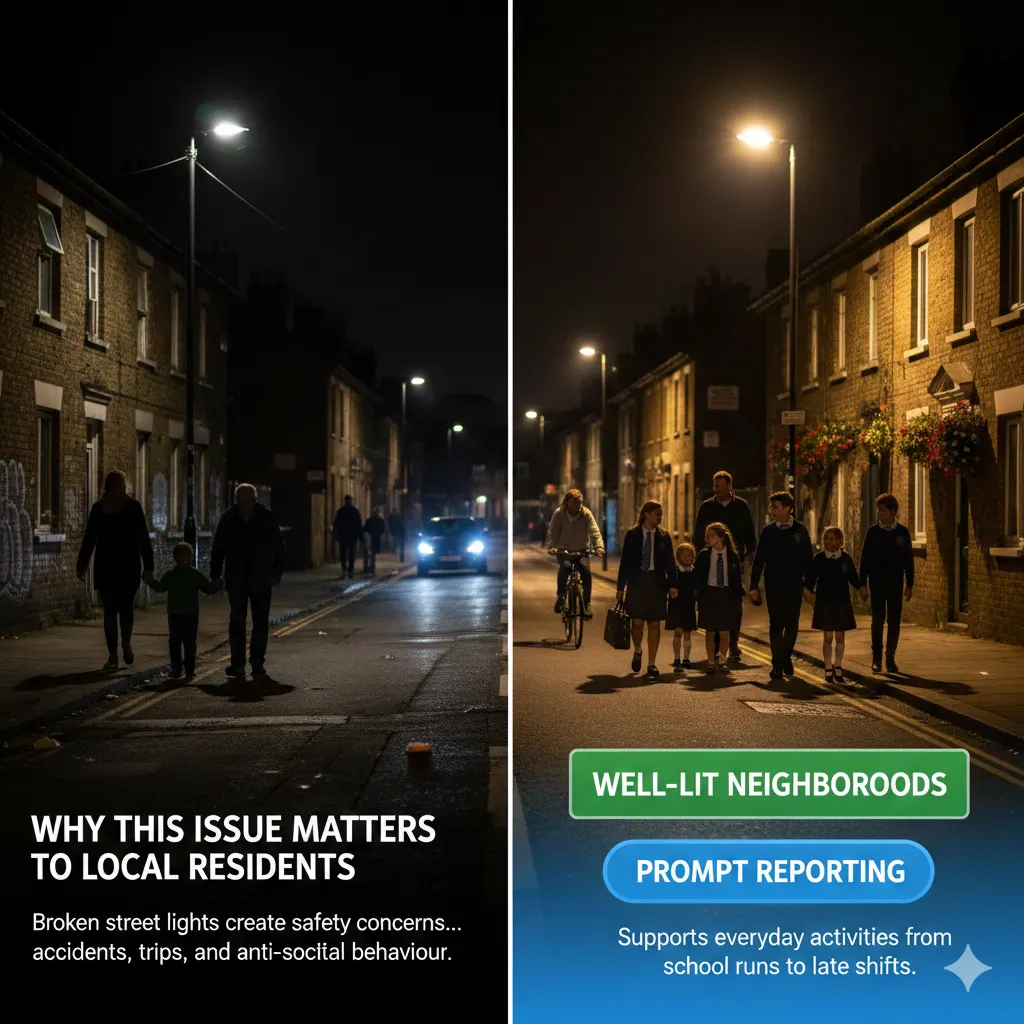
Broken street lights create safety concerns for residents walking or driving at night across East London boroughs like Hackney and Waltham Forest. Dimly lit streets increase the risk of accidents, trips, and anti-social behaviour, affecting families and commuters daily.
In areas such as Redbridge and Barking & Dagenham, poor lighting impacts vulnerable groups like children and the elderly most. Councils recognise this as a priority under highways maintenance duties, ensuring communities stay secure.
Prompt reporting helps maintain well-lit neighbourhoods, supporting everyday activities from school runs to late shifts.
Which Council Service Handles It
Each East London borough manages its street lights through dedicated highways or street care teams. Newham council oversees lighting in its area, while Tower Hamlets council handles reports for its streets.
Hackney council’s street lighting service responds to faults, as does Waltham Forest council for its roads. Redbridge council and Barking & Dagenham council follow similar structures, all complying with UK highways legislation.
For major roads like the A12 or A406, Transport for London may take responsibility, but local councils cover most residential streets. Use the council’s website or FixMyStreet to identify the right service quickly.
Step-by-Step Actions to Solve the Problem
Follow these steps to report a broken street light effectively.
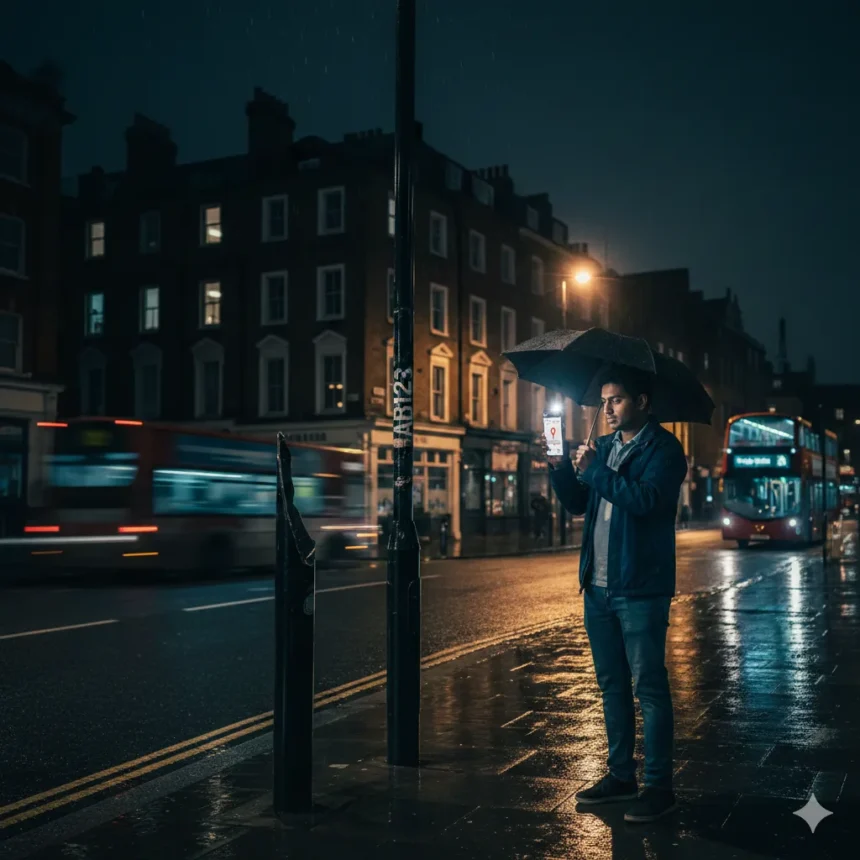
- Locate the fault precisely: Note the road name, nearest house number or landmark, and lamp column number (often on a yellow sticker at the base).
- Check for urgency: If the light is leaning, sparking, or exposing wires, treat as an emergency and call the council’s out-of-hours line immediately.
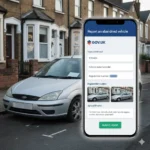
- Use the online form: Visit your council’s website (search “report street light [borough]”) or FixMyStreet.com, select street lighting, and submit details.
- Provide a description: State if the light is off at night, on during day, flickering, or damaged.
- Add your contact info: Include email or phone for updates, though anonymous reports are accepted.
- Confirm submission: Note the reference number for tracking.
This process aligns with standard UK council procedures for efficient resolution.
Information or Documents Needed
Minimal details suffice for most reports, keeping it simple for East London residents. Essential info includes the street name, nearest property number, and fault type (e.g., “not working”).
The lamp column number speeds up identification—look for it on the post. A photo helps but is optional.
No ID or documents are required, ensuring accessibility for all in Newham, Tower Hamlets, or Hackney. Councils use postcode lookup tools on forms to pinpoint locations accurately.
Expected Response Time
Councils aim to inspect routine street light faults within 5-10 working days, with repairs following soon after. Non-urgent issues like a single bulb out typically resolve in 2-4 weeks.
Emergencies, such as damaged columns, receive attention within 24 hours under highways safety protocols. Delays may occur due to weather or contractor availability, but East London councils prioritise lighting.
Track progress via your reference number; most provide online portals for status checks.
What to Do if Follow-Up Is Required
If no action follows initial reports, use your reference number to chase updates. Email or call the council’s highways team, quoting the job ID.
For persistent issues, submit a fresh report or escalate politely via the complaints process on the council website. Local residents in Waltham Forest or Redbridge can also comment on FixMyStreet for visibility.
Councils must respond under public service standards; repeated non-action may prompt Freedom of Information requests on repair backlogs.
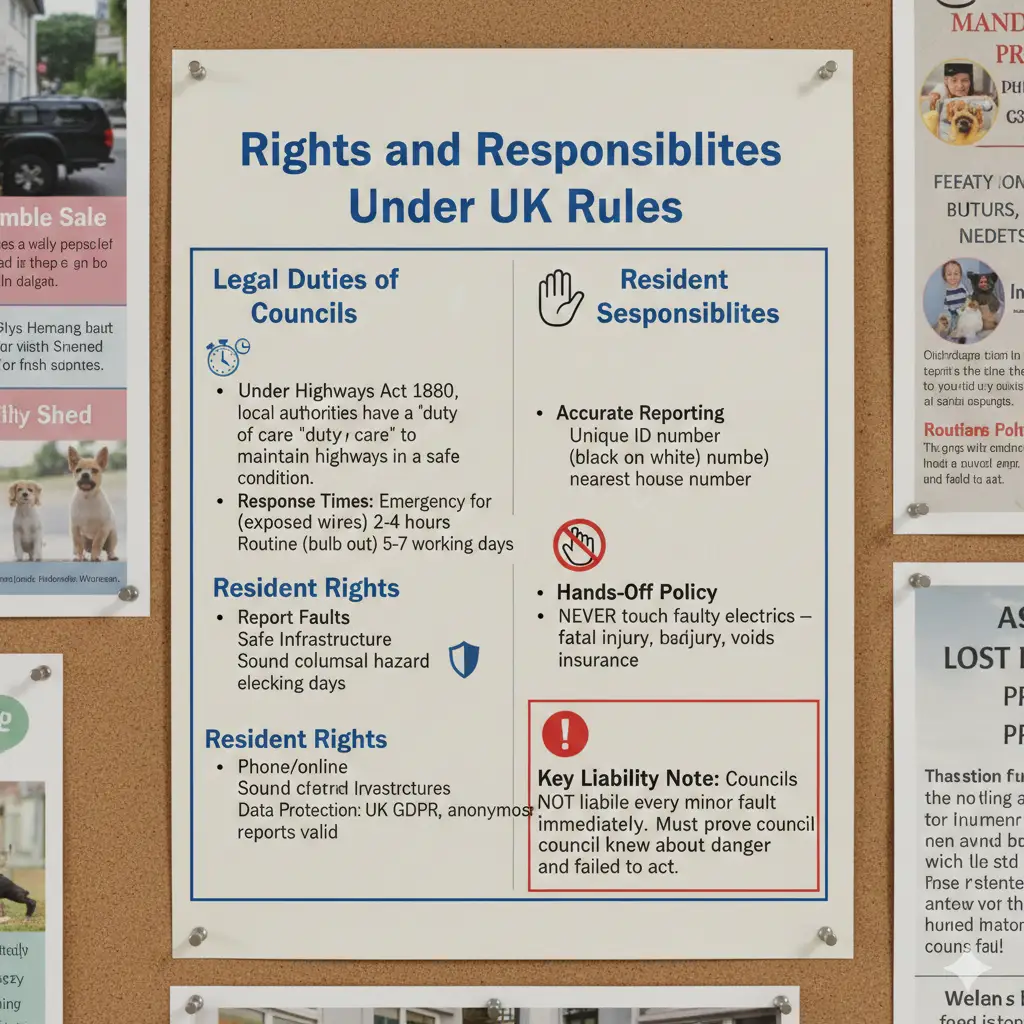
Rights and Responsibilities Under UK Rules
UK law places street lighting under local authority duties via the Highways Act 1980, requiring councils to maintain safe roads. Residents have the right to report faults and expect reasonable response times.
Your responsibility includes accurate reporting without tampering—never touch faulty electrics, as this risks injury and voids insurance. Councils must investigate claims but aren’t liable for every minor fault immediately.
Data protection rules protect your details if provided; anonymous reports remain valid. This framework ensures fair handling across East London boroughs.
Practical Tips to Avoid the Problem in Future
Prevent issues by noting lamp numbers during evening walks in your neighbourhood. Encourage neighbours to report faults promptly via community apps.
Support council campaigns for energy-efficient LED upgrades, common in Hackney and Barking & Dagenham, which reduce failures. Avoid parking vehicles against posts to prevent accidental damage.
Stay vigilant around vandalism hotspots; reporting suspicions helps councils deploy resources. These habits keep East London streets reliably lit year-round.