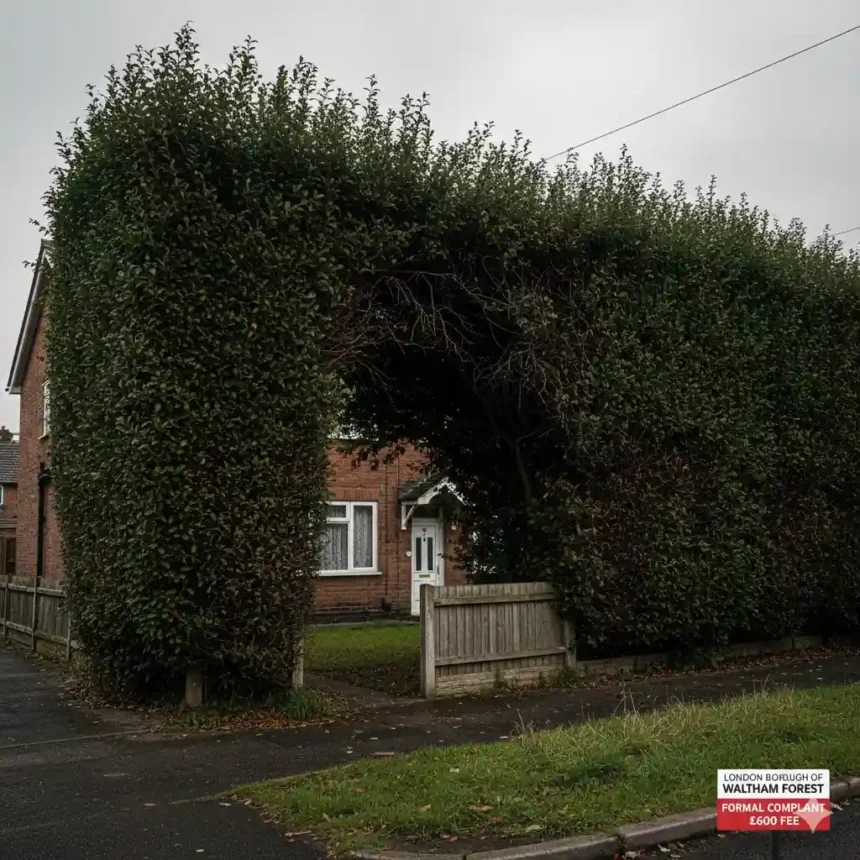
To report an overgrown hedge in Waltham Forest, first try speaking amicably with your neighbour to resolve it. If unsuccessful, submit a formal high hedges complaint via the London Borough of Waltham Forest’s online planning enforcement enquiry form, including evidence of impact, for a £600 fee.
Why This Issue Matters
Overgrown hedges can cast shadows, block light, and reduce privacy for local residents in East London boroughs like Waltham Forest, Newham, and Tower Hamlets. These hedges often grow tall enough to overhang boundaries, creating disputes that affect daily life in densely packed neighbourhoods. Residents in Hackney, Redbridge, Barking & Dagenham, and Waltham Forest face similar challenges, where unchecked growth disrupts gardens and home enjoyment.
Tall hedges may also obscure views for drivers or pedestrians, posing safety risks on shared pathways. In community-focused areas, this issue strains neighbourly relations and lowers property appeal. Addressing it promptly helps maintain harmonious East London streets for everyone.
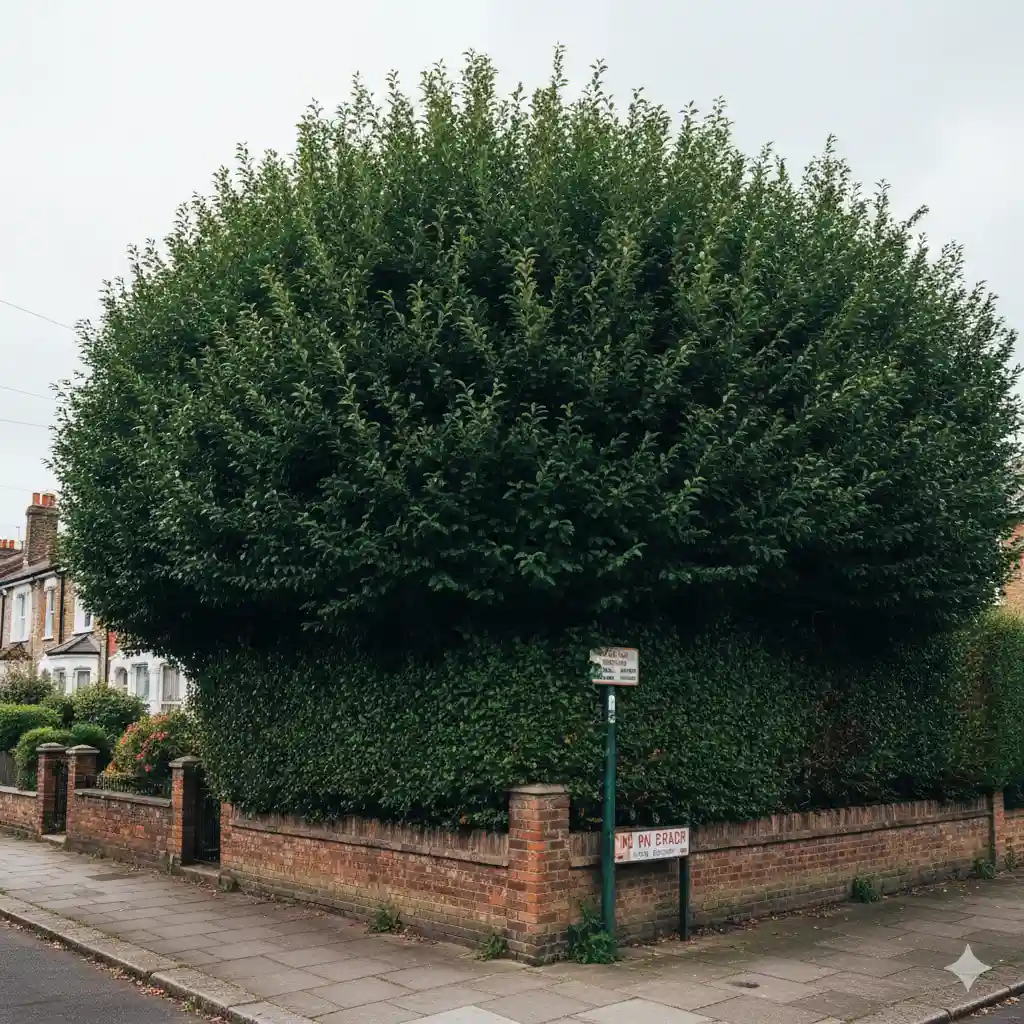
Step-by-Step Actions
Start by documenting the hedge’s height, location, and impact with photos and notes. Approach your neighbour politely in writing, explaining the problem and suggesting a solution like trimming to two metres. Allow at least 14 days for a response before escalating.
If no progress, gather evidence of failed talks, such as copies of letters sent. Submit your complaint online through Waltham Forest Council’s planning enforcement form, selecting the high hedges option. Pay the required fee and await officer contact for site visits.
Councils like Newham or Tower Hamlets follow similar processes for cross-borough issues. Track your reference number and prepare for a neighbour response phase.
Council Service Handling It
Waltham Forest Council manages high hedge complaints through its Planning Enforcement team. This service assesses formal complaints under Part 8 of the Anti-Social Behaviour Act 2003, focusing on hedges over two metres with two or more evergreen trees or shrubs.
For vegetation overhanging public highways from private land, the Neighbourhoods Team investigates obstructions. East London councils, including Hackney and Redbridge, route similar reports to enforcement or environmental services. Barking & Dagenham residents use neighbourhood reporting portals for initial logs.
Information Needed
Provide your full address, the hedge owner’s details if known, and a site plan showing the hedge’s position. Include photos, hedge height measurements, and descriptions of how it blocks light or access.
Detail prior resolution attempts, like letters or talks, with dates and outcomes. Explain specific impacts, such as reduced sunlight in your garden or home. Councils require proof of serious, ongoing harm to your reasonable enjoyment of the property.
Expected Response Time
Councils aim to acknowledge complaints within two weeks, followed by site visits within one to two months if valid. Waltham Forest contacts complainants after initial review, inviting neighbour input.
Decisions may take eight to twelve weeks total, depending on complexity. Remedial notices, if issued, set compliance deadlines of up to 30 days. East London council timelines align with government guidance for fair processing.
Follow-Up Actions
Monitor updates via your reference number or council portal. If no response after eight weeks, email the Planning Enforcement team politely for status. Escalate to the Local Government Ombudsman only after exhausting council stages.
For non-responsive neighbours post-notice, report breaches back to the council for enforcement action. Neighbours in Newham or Tower Hamlets facing reciprocal issues should log follow-ups similarly.

Rights Under UK Rules
UK law defines high hedges as semi-natural barriers over two metres tall, causing adverse impacts. Councils can issue remedial notices requiring trimming but cannot force removal.
Complainants have rights to appeal council decisions via the Planning Inspectorate. Neighbours must comply or face fines up to £1,000 per day. Responsibilities include attempting amicable resolution first and providing accurate evidence.
Residents retain access rights over boundaries but cannot self-trim beyond your property line without permission. High Court appeals are possible for refusals.
Preventing Future Problems
Plant hedges under two metres and trim twice yearly to stay compliant. Discuss boundary maintenance with neighbours early via simple agreements. Use native deciduous shrubs that grow slower in East London climates.
Join local resident groups in Waltham Forest or Hackney for shared vigilance. Schedule professional trims before growth peaks in spring. Regular checks keep hedges neat, avoiding disputes for local residents.