
The King and Queen visited Barking and Dagenham on 18 February 2026 for a community-focused royal trip that highlighted local learning, social support, technical education, and film industry growth. Their East London visit included Barking Learning Centre, Barking & Dagenham College’s Rush Green campus, and Eastbrook Studios, with Sir Idris Elba joining part of the programme at the college.
- What happened during the royal visit to Barking?
- Why did the royals visit Barking and Dagenham?
- What did the King and Queen see at Barking Learning Centre?
- Why is Barking Learning Centre important?
- What happened at Barking & Dagenham College?
- Why was Idris Elba part of the visit?
- What did the royals do at Eastbrook Studios?
- Why does the film studio matter for Barking?
- What does the visit show about Barking and Dagenham?
- How does the visit fit royal engagement patterns?
- What are the wider implications for East London?
- Why this royal trip matters now
- Full visit summary
What happened during the royal visit to Barking?
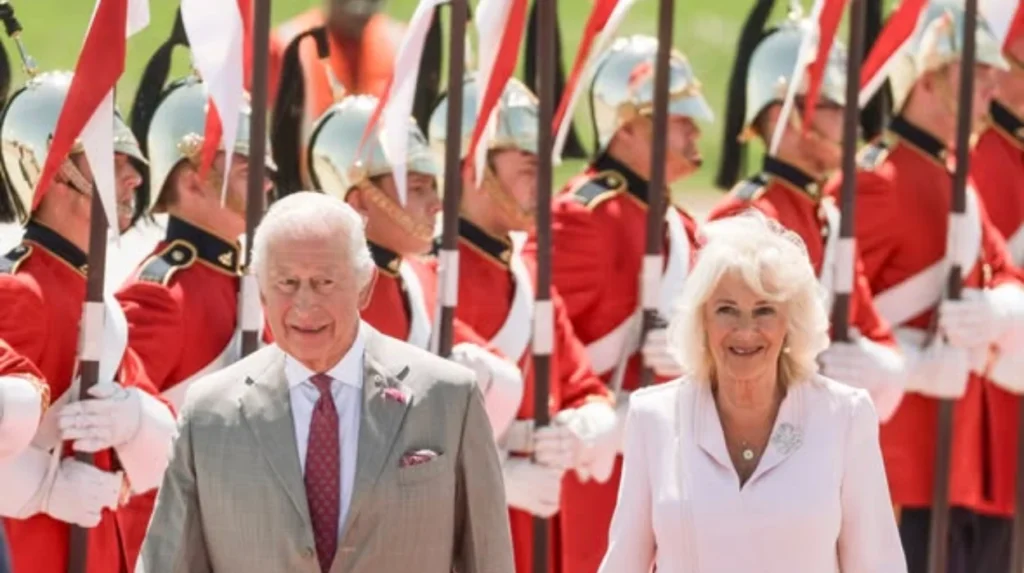
The royal visit brought together community support, education, and regeneration in one East London programme. The King and Queen met local organisations, students, staff, and community groups, while seeing how Barking and Dagenham connects public services, skills training, and creative industry development.
The visit began at Barking Learning Centre Community and Family Hub. This facility brings together Barking Library, council services, partner organisations, and local community groups in one place. The royals met people involved in social prescribing, employment advice, homelessness prevention, and reading support.
They also viewed the Library of Things, a borrowing service for infrequently used household items. The service supports affordable living by reducing the need for one-time purchases and helping residents access items they need for home maintenance.
Why did the royals visit Barking and Dagenham?
The visit recognised the borough’s community services, education offer, and long-term regeneration plans. Barking and Dagenham presented a combined story of local support, skills development, and economic opportunity during the royal trip.
The council said the visit highlighted “pioneering community programmes” and the borough’s “world class film studio” ambitions. That framing placed Barking and Dagenham’s public services and creative sector within the same narrative of local growth.
Royal visits often focus on institutions that serve public needs and show measurable community value. In Barking, that meant a family hub, a college, and a film studio, all connected to local regeneration.
What did the King and Queen see at Barking Learning Centre?
At Barking Learning Centre, the King and Queen saw how one building supports learning, advice, and community help. The centre operates as a community-based learning facility and includes the borough’s library alongside wider council and partner services.
The royals were introduced to organisations working on several practical issues. Those included employment guidance, homelessness prevention, reading promotion, and social prescribing, which links people to non-medical support that improves wellbeing.
The Library of Things also featured in the visit. This service matters because it gives residents access to tools and household items without requiring them to buy products they use only once or rarely.
Why is Barking Learning Centre important?
Barking Learning Centre matters because it combines education, advice, and community access in one place. That makes it easier for residents to reach services without moving between separate offices or agencies.
The hub model supports people who need joined-up help. A resident can access reading support, employment advice, or housing-related guidance in a familiar public setting.
This approach also reflects a wider shift in local government service delivery. Councils increasingly use shared community spaces to improve access, reduce duplication, and connect services around real-life needs.
What happened at Barking & Dagenham College?
At Barking & Dagenham College, the royals marked the institution’s 65th anniversary and met students and staff. Their Majesties visited the Rush Green campus and heard about the college’s technical and professional education courses.
The King and Queen were joined by one of the college’s best-known alumni, actor Sir Idris Elba. The visit also included the unveiling of a plaque to mark both the royal appearance and the 65th anniversary.
Coverage from ITV confirmed that the visit centred on the college’s milestone year and its role in East London education. The presence of Idris Elba added a strong alumni link between the college and the borough’s wider cultural identity.
Why was Idris Elba part of the visit?
Sir Idris Elba joined the visit because he is a Barking & Dagenham College alumnus and a high-profile supporter of East London identity. His presence gave the anniversary event a strong local connection and public visibility.
The college visit focused on technical and professional education. That made the alumni link especially relevant, because it connected education, aspiration, and local success in one event.
Media coverage described the moment as a celebration of the college’s 65 years and its place in the borough’s story. The royal engagement therefore worked as both an anniversary event and a public recognition of local talent.
What did the royals do at Eastbrook Studios?
At Eastbrook Studios, the King met students involved in film learning and participation programmes. The visit highlighted the borough’s growing role in screen production, skills training, and creative industry development.
The programme included Film Barking & Dagenham’s Make It Here Learning and Participation programme. Participants took part in workshops designed to give an authentic experience of working as part of a professional film crew.
This part of the visit connected education with employment pathways. It showed how creative industries can be used not only for production, but also for training local residents in practical, industry-based skills.
Why does the film studio matter for Barking?
Eastbrook Studios matters because it supports jobs, skills, and borough branding in a growing creative sector. The council has linked the site to its wider film industry ambitions and regeneration strategy.
Film-related investment can affect a borough in several ways. It can create training routes, attract production activity, and raise the area’s profile among employers and investors.
For Barking and Dagenham, the studio also sits alongside community services and education. That matters because it shows a borough development model built around both social support and economic growth.
What does the visit show about Barking and Dagenham?
The visit shows that Barking and Dagenham presents itself as a borough of community infrastructure, practical education, and regeneration. The royal route linked everyday support services with long-term opportunity.
The Barking Learning Centre showed how residents access advice and learning. The college showed how students build skills for work. Eastbrook Studios showed how the borough connects to future-facing creative industries.
This is a strong local narrative for East London. It shows a borough that combines public services with ambition, and social support with economic development.
How does the visit fit royal engagement patterns?
The visit fits a modern royal pattern of supporting education, communities, and local opportunity. The Royal Family’s published account described meetings with organisations and communities in Barking and Dagenham.
Royal visits often focus on institutions that offer clear public benefit. In this case, the family hub supported residents, the college trained learners, and the studio supported creative-sector development.
That structure makes the trip easy to understand for a broad audience. It also makes the visit highly searchable because it combines identifiable places, public services, and a major anniversary.
Explore More Help & resources
King Charles Visit to Barking What He Did and Who He Met
Romford Wonderland Christmas Display Dates and What to See
What are the wider implications for East London?
The wider implication is that East London continues to combine heritage, public service, and regeneration in one area story. Barking and Dagenham’s royal visit placed those themes in front of a national audience.
For local readers, the most important point is practical visibility. The borough’s community hub, college, and film studio all received attention through one event.
For search and publication purposes, this creates strong evergreen relevance. The visit remains useful background for articles on Barking regeneration, East London education, community support, and local creative industries.

Why this royal trip matters now
This royal trip matters because it connects a specific local event to long-term themes that stay relevant beyond the visit date. Those themes include social support, affordable living, vocational education, and film industry growth.
It also gives Barking and Dagenham a clear public-facing identity. The borough is not only a location on the map; it is a place where community services, skills training, and regeneration operate together.
That combination is what makes the story evergreen. Readers return to it for the royal angle, the local East London angle, and the borough development angle.
Full visit summary
The King and Queen visited Barking and Dagenham on 18 February 2026 and spent the day highlighting community services, education, and creative industry development. Their programme included Barking Learning Centre, Barking & Dagenham College, and Eastbrook Studios.itv+1
The visit featured local organisations, students, council-supported services, and Sir Idris Elba at the college. It also highlighted the Library of Things, social prescribing, employment support, homelessness prevention, and the borough’s film ambitions.
For East London audiences, the trip mattered because it connected a royal visit with tangible local institutions. For search visibility, it works as a strong evergreen article because it combines a named event, multiple recognisable entities, and clear civic impact.