Key Points
- Recent planning applications in Barking and Dagenham cover a wide range of property developments including residential Houses in Multiple Occupation (HMOs), schools, and commercial projects.
- These applications align with the borough’s Local Development Framework (LDF) and London Plan aimed at urban regeneration and community growth.
- The Planning Applications Sub-Committee of the London Borough of Barking and Dagenham Council reviews and oversees these applications regularly.
- Community consultation and environmental sustainability form integral parts of the planning and decision-making process.
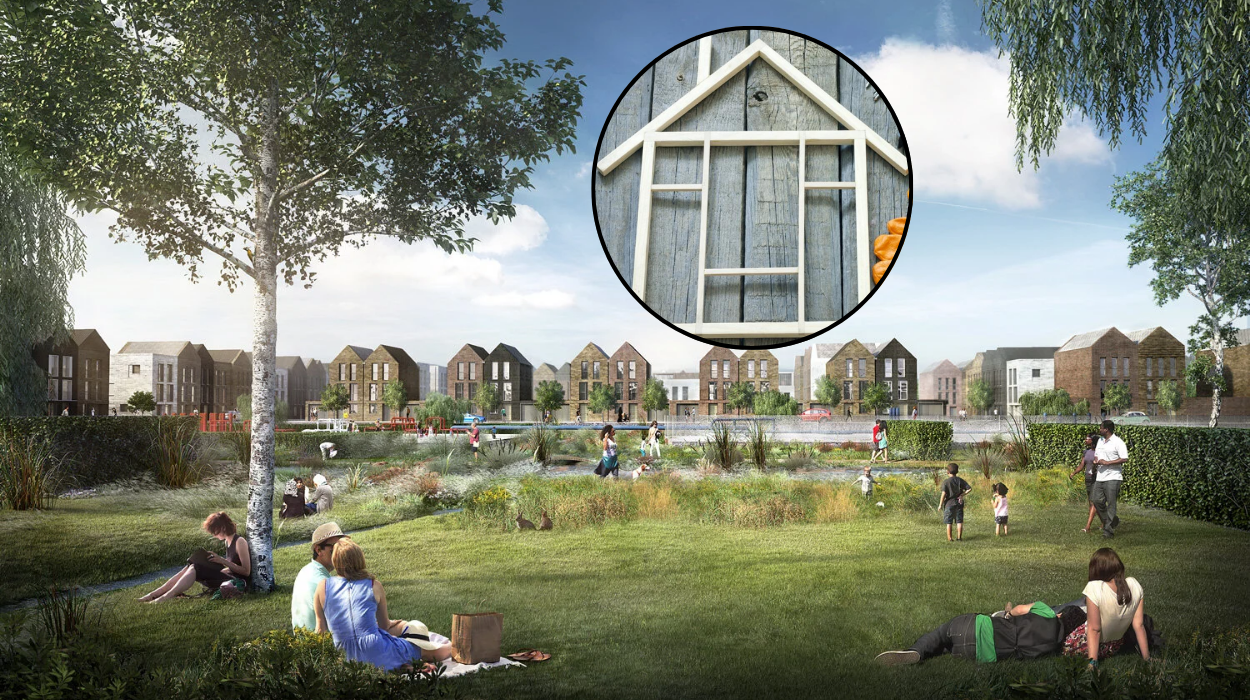
- Highlighted major projects include continuing phases of the Beam Park development which involves creating over 3,900 homes with significant affordable housing, new schools, medical facilities, and a proposed railway station.
- Emphasis on balancing housing supply, urban design, community infrastructure, and environmental protection in planning assessments.
Barking and Dagenham’s planning landscape is undergoing significant transformation as numerous development applications have been submitted recently, reflecting the borough’s commitment to strategic urban renewal. This article provides a comprehensive overview of the latest proposals, oversight mechanisms, and how they fit within broader plans for community and environmental well-being.
- Key Points
- What are the main planning applications submitted recently in Barking and Dagenham?
- Who oversees and approves these planning applications?
- How do the applications fit within Barking and Dagenham’s development plans?
- How are community and environmental considerations incorporated?
- What role does the Planning Applications Sub-Committee play?
- What are the notable projects in Barking and Dagenham’s development pipeline?
- How is infrastructure being improved alongside new housing?
What are the main planning applications submitted recently in Barking and Dagenham?
As reported by the Barking and Dagenham Post via East London Times News Desk, the latest planning applications showcase a variety of development types, primarily focused on residential accommodations such as Houses in Multiple Occupation (HMOs). These HMOs aim to diversify housing options to meet the borough’s population needs. Additionally, applications for new educational facilities have been prominent, reflecting council priorities for expanding community infrastructure.
The submissions are part of a weekly round-up capturing the active planning environment, demonstrating how the borough addresses evolving housing and community service demands amidst urban regeneration efforts.
Who oversees and approves these planning applications?
The London Borough of Barking and Dagenham Council manages the planning process, with a dedicated Planning Applications Sub-Committee charged with reviewing and deciding on applications submitted across the borough. These Sub-Committee meetings, held regularly, provide a forum to assess proposals’ alignment with policy frameworks and address objections or endorsements from local residents and stakeholders.
As noted in media updates from The Barking and Dagenham Post, recent agendas have included deliberations on HMOs and school developments, emphasising the committee’s role in balancing growth with community impact.
How do the applications fit within Barking and Dagenham’s development plans?
Barking and Dagenham Council operates under a Local Development Framework (LDF) that incorporates strategic documents like the Core Strategy, Borough Wide Development Policies, and site-specific allocations. The Area Action Plan (AAP) for Barking Town Centre, adopted in 2011 and heading towards its 2025 regeneration goals, focuses on stimulating economic growth, environmental enhancements, and raising resident quality of life.
The AAP reinforces the London Plan’s designation of Barking Town Centre as a Major Centre for investment. It supports commercial and housing growth while safeguarding environmental and community welfare. Key policies include urban design standards, accessibility improvements, and flood risk management — all guiding current and future planning assessments.
How are community and environmental considerations incorporated?
Community interests are central, with the council’s framework combining social, economic, and environmental policies to ensure sustainable, beneficial development. There are clear initiatives supporting safer, cleaner, greener environments alongside efforts to boost social cohesion and well-being.
Environmental factors such as biodiversity protection, heritage conservation, and flood risk mitigation are scrutinised during planning reviews. Public consultations allow local residents and organisations to provide input, helping shape outcomes that reflect collective interests and preserve community values.
What role does the Planning Applications Sub-Committee play?
The Sub-Committee provides critical oversight, evaluating planning applications for policy compliance and local relevance. It conducts formal meetings, with sessions like the one held on 9 September publicly feeding into the accountability and transparency of the process.
Decisions consider not only planning officer recommendations but also community feedback and stakeholder perspectives, ensuring balanced and democratic outcomes.
What are the notable projects in Barking and Dagenham’s development pipeline?
Among highlighted initiatives is the Beam Park development, a major regeneration project jointly led by Countryside and L&Q, with permissions granted since 2018. Beam Park aims to deliver over 3,900 new homes—half of which are affordable—on a former industrial site straddling Barking and Dagenham and Havering boroughs.
Deputy Mayor for Planning, Regeneration and Skills, Jules Pipe, gave planning approval for these proposals, which also include a new railway station centred around a public square, a medical centre, two schools, retail spaces, a gym, nursery, community facilities, and a multi-faith space. Countryside and L&Q are working closely with the Greater London Authority (GLA) and relevant borough councils to advance these plans and provide urgently needed homes for Londoners.
The development brings significant benefits:
- Two new primary schools
- Medical centre
- Proposed new railway station
- Landscaped parks
- 50% affordable housing
The developers actively seek public engagement and have held consultation events to include community voices in the project’s evolution.
How is infrastructure being improved alongside new housing?
Barking and Dagenham and related bodies are focused on creating a well-connected borough through coordinated infrastructure investments. This includes improving transport links, ensuring safer pedestrian and cycling routes, and enhancing public services to support growing populations.
Developments like Beam Park integrate commercial spaces and community facilities alongside residential units to foster vibrant, sustainable neighbourhoods.