Key Points
- Barking and Dagenham has been ranked as England’s least friendly local authority area out of 296 councils evaluated.
- The findings stem from the National Conversation index, which analyzes government data collected via community life surveys.
- Metrics evaluating friendliness included frequency of conversations with neighbours, local pride, feelings of loneliness, sense of belonging, and participation in civic life.
- The ranking evaluates social cohesion and community engagement metrics across local council areas in England.
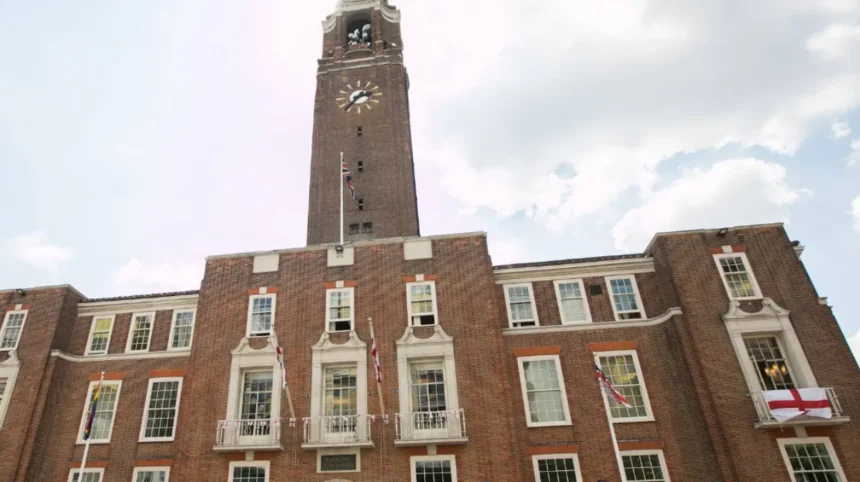
East London (East London Times) August 19, 2026 – Barking and Dagenham has been identified as the least friendly borough in England following the publication of a comprehensive local authority index. The National Conversation index compiled social cohesion metrics across all 296 local authority areas in the country, placing the East London area at the bottom of the table.
The assessment evaluated key aspects of local social life by utilising datasets drawn directly from official government community life surveys. Analysts focused on specific metrics, including how regularly residents converse with their immediate neighbours, reported levels of personal loneliness, overall feelings of local pride and community belonging, alongside participation in local civic activities and community groups.
Which Areas Were Identified as the Least Friendly in England?
The data indicates that urban local authority areas generally reported lower scores across social interaction indicators compared to rural council districts. Barking and Dagenham recorded the lowest aggregate scores across the combined evaluation categories, reflecting lower reported frequencies of neighbourly interaction and civic engagement among surveyed residents.
The metric framework assessed multiple core indicators to determine the final rankings across the 296 local authority districts:
| Metric Category | Assessment Criteria | Overall Trend in Low-Ranking Areas |
| Neighbourly Interaction | Frequency of conversations with neighbours | Lower reported daily/weekly interaction |
| Civic Participation | Involvement in local clubs, voting, and volunteering | Reduced rates of formal community engagement |
| Community Belonging | Sense of local connection and regional pride | Higher reported isolation and lower local affiliation |
| Social Isolation | Self-reported feelings of loneliness | Elevated levels of recorded personal isolation |
What Is the Background to Barking and Dagenham’s Ranking?
Barking and Dagenham is an East London borough located in Outer London, historically defined by industrial developments along the River Thames and substantial post-war social housing estates such as the Becontree Estate. Over recent decades, the borough has undergone rapid demographic changes, significant urban regeneration projects, and persistent economic pressures.
Local government assessments and national statistical profiles frequently highlight the area as facing elevated levels of socio-economic deprivation, which often correlates with rapid population turnover and pressure on local public services. These structural socio-economic factors frequently influence community cohesion metrics, as high resident mobility can affect long-term neighborhood relationships and formal civic participation rates over time.
Explore More Barking and Dagenham News
Dagenham Vet Practice Launches Unlimited Pet Consultation Healthcare Scheme 2026
East London Primary Teacher Permanently Banned After Conviction: Dagenham 2026
How Will This Index Affect Local Communities and Stakeholders?
The publication of the National Conversation index carries direct operational and strategic implications for residents, local government officials, and community organisations operating within Barking and Dagenham and similar low-ranking council areas.
- Local Government and Policy Developers: Council leaders and public health officials will likely face increased pressure to target funding toward community-building initiatives, local event infrastructure, and social isolation reduction strategies.
- Community Groups and Charities: Voluntary organisations within the borough may experience shifted funding priorities, opening opportunities for grants aimed at boosting civic engagement and neighbourhood interaction programs.
- Local Residents: Publicisation of the index could influence public perception of the area, potentially affecting resident morale or prompting grass-roots initiatives by local groups seeking to counter the ranking through neighbourhood activities.
- Property and Urban Development Planners: Housing developers and urban planners operating in the region may be required to integrate more shared communal spaces and social infrastructure into prospective residential projects to encourage local interaction.