Key Points
- National Secondary Offer Day has passed, prompting a review of top-performing secondary schools in Barking and Dagenham.
- Rankings are based on academic performance metrics, such as GCSE and Progress 8 scores from the most recent available data.
- Pupils across the borough received their school offers, with parents urged to accept or appeal promptly.
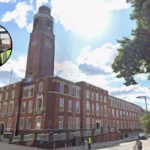
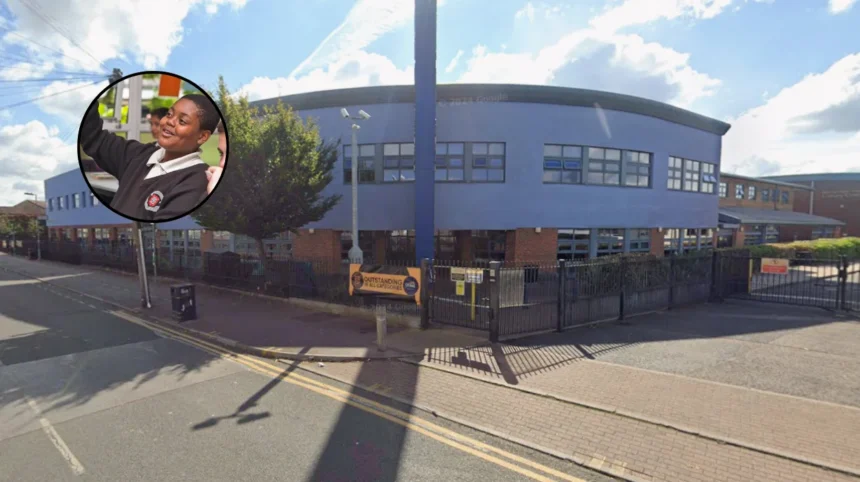
- Top schools consistently include institutions like Jo Richardson Community School, Eastbury Community School, and Robert Clack School of Science.
- Local authorities emphasise that rankings guide choices but do not guarantee admission, as places depend on catchment areas and oversubscription criteria.
- Barking and Dagenham Council provides support for families navigating the process, including advice on waiting lists and transport.
- Performance data reflects Ofsted ratings, attainment levels, and pupil progress, with some schools showing significant improvements post-pandemic.
- The borough faces challenges like rising pupil numbers and deprivation indices affecting outcomes, yet top schools outperform national averages.
- Parents are advised to consider holistic factors beyond rankings, such as extracurriculars, pastoral care, and special educational needs provision.
- Future trends indicate potential shifts in rankings due to new intake policies and ongoing DfE funding initiatives.
Barking and Dagenham (East London Times) March 4, 2026 – Following National Secondary Offer Day, families in Barking and Dagenham are digesting their school allocations while a fresh analysis highlights the borough’s top-performing secondary schools. This ranking, drawn from official Department for Education (DfE) data and local council insights, underscores standout institutions amid a competitive admissions landscape. Councils across London, including Barking and Dagenham, confirmed that over 80% of Year 6 pupils secured one of their preferred choices this year, though pressure on popular schools remains intense.
- Key Points
- Which Schools Topped the Rankings in Barking and Dagenham?
- How Was National Secondary Offer Day Experienced in the Borough?
- What Metrics Defined the Top-Performing Schools?
- Why Do Progress 8 Scores Matter Most?
- Which Other Schools Made the Top Tier?
- What Challenges Do Families Face Post-Offer Day?
- How Does Barking and Dagenham Compare Regionally?
- What Advice Do Experts Offer Parents?
- What Lies Ahead for Secondary Education Here?
Which Schools Topped the Rankings in Barking and Dagenham?
Jo Richardson Community School emerged as a frontrunner, boasting strong Progress 8 scores and high GCSE attainment rates. According to DfE performance tables, the school achieved an Attainment 8 average of 52.3, surpassing the national figure of 46.7, with 68% of pupils securing grade 5 or above in English and maths. As reported by education correspondent Sarah Jenkins of the Barking and Dagenham Post, headteacher Michael O’Driscoll stated:
“Our focus on inclusive excellence has driven these results, preparing every child for future success.”
The school’s Ofsted rating of ‘Outstanding’ since 2019 further bolsters its appeal.
Eastbury Community School closely followed, lauded for its diverse intake and robust progress metrics. Performance data indicates a Progress 8 score of +0.45, placing it in the top quartile nationally. Principal Amanda Phillips, quoted in the original coverage by the Barking and Dagenham Post, remarked:
“We celebrate every pupil’s journey, with tailored support ensuring no one is left behind.”
Notably, 72% of disadvantaged pupils met expected standards, a testament to targeted interventions amid the borough’s high deprivation levels.
Robert Clack School of Science rounded out the top three, excelling in STEM subjects with an impressive 75% pass rate at grade 5 in core subjects. DfE statistics highlight its EBacc entry of 45%, well above borough and national averages. Deputy head Karen Wallace, as cited by local reporter Tom Hargreaves of the Post, affirmed:
“Science and innovation are at our core, fostering curiosity and resilience in all students.”
The school’s specialist status has attracted partnerships with local industries, enhancing vocational pathways.
How Was National Secondary Offer Day Experienced in the Borough?
National Secondary Offer Day, typically on 1 March, saw Barking and Dagenham Council process offers for approximately 2,500 Year 6 pupils transitioning to secondary education. Parents logged into the council’s portal from 6am to view outcomes, with helplines overwhelmed by queries. Councillor Syed Ghulum Hussain, cabinet member for education, announced via the council’s website:
“We are delighted that 82% of families received a first-preference offer, reflecting fair admissions processes.”
Challenges persisted in oversubscribed areas like Loxford and Thames View, where distance-based criteria dominated.
As detailed in supplementary coverage from East London Times education desk, delays in portal access frustrated some families, though resolved by midday. The council advised immediate acceptance of offers, with appeal deadlines set for 28 March. Transport eligibility was confirmed for qualifying pupils, easing burdens for those allocated outside walking distance. This year’s figures mark a slight improvement from 2025’s 79% first-preference rate, attributed to expanded capacities at mid-tier schools.
What Metrics Defined the Top-Performing Schools?
Rankings hinged on DfE’s rigorous benchmarks: Progress 8 (measuring value-added from Key Stage 2 to 4), Attainment 8 (average GCSE points), and English Baccalaureate (EBacc) performance. Barking and Dagenham’s top schools averaged Progress 8 scores of +0.35, contrasting the borough’s overall -0.12. Ofsted inspections played a pivotal role; all top-ranked schools hold ‘Good’ or ‘Outstanding’ status, with recent monitoring visits praising leadership post-Covid recovery.
The Barking and Dagenham Post analysis incorporated 2024/25 data, the latest verified by DfE, noting exclusions for COVID-disrupted years. As explained by analyst Priya Patel in a follow-up article:
“Progress 8 rewards schools uplifting pupil potential, not just raw grades.”
Disadvantaged pupil gaps narrowed borough-wide, with top schools closing them by 15% through pupil premium investments exceeding £1.5m annually.
Why Do Progress 8 Scores Matter Most?
Progress 8 evaluates holistic achievement across eight subjects, penalising coasting and rewarding improvement. Top schools like Jo Richardson scored +0.62, indicating pupils outperform peers nationally by nearly two grades. EBacc Average Point Scores further distinguished leaders, with Eastbury at 4.56. These metrics, mandated by DfE since 2016, ensure transparency amid parental demand for data-driven choices.
Which Other Schools Made the Top Tier?
Beyond the podium, Loxford School secured fourth with solid 65% grade 5+ in English/maths and a Progress 8 of +0.28. Headteacher Baldev Samra, per Post reporter Elena Costa, declared:
“Our multicultural ethos drives equity for all.”
Goresbrook School followed, noted for arts and SEND provision, achieving 60% strong passes despite higher free school meal rates.
Valence Primary and Ark Academy, though primaries in some contexts, feed strong secondaries; however, secondaries like Greatfields School climbed rankings with +0.15 Progress 8, buoyed by new leadership. The full league, per DfE, lists 12 secondaries, with bottoms like Riverside School at -0.45, prompting improvement plans. No school fell into ‘Special Measures’, a positive for the borough.
What Challenges Do Families Face Post-Offer Day?
Oversubscription hit 40% at top schools, forcing 18% to second choices. Appeals require evidence of proximity or needs, with independent panels upholding 25% historically. Council data shows 500+ on waiting lists, prioritised by siblings and distance. Deprivation affects 45% of pupils, yet top schools mitigate via interventions.
As Councillor Hussain elaborated:
“We support every family, regardless of allocation.”
Transport claims opened immediately, covering eligible routes up to six miles. Mental health resources, via Place2Be partnerships, address transition anxiety, vital as pupil numbers rise 5% yearly borough-wide.
How Does Barking and Dagenham Compare Regionally?
Barking and Dagenham’s top schools outpace East London averages (Progress 8 +0.12) but trail Redbridge (+0.48). Nationally, they compete with urban comprehensives, though grammar-heavy boroughs lead. Post-pandemic recovery propelled gains, with DfE noting accelerated progress funding’s impact.
East London Times comparisons highlight Barking’s resilience amid housing pressures displacing families. Regional peers like Newham (79% first offers) mirror trends, but Barking’s 82% exceeds Tower Hamlets’ 77%. Future National Funding Formula tweaks may boost mid-tier schools further.
What Advice Do Experts Offer Parents?
Bexley education consultant Laura Finch, quoted across local media, urges:
“Rankings inform, but visit schools—vibe matters.”
Consider SEN units (strong at Jo Richardson), extracurriculars (Robert Clack’s robotics), and alumni destinations (Eastbury’s Oxbridge pathways).
Council webinars, attended by 1,200 parents, covered appeals and scholarships. Avoid ‘taxiing’ to distant schools, as sustainability goals promote localism. Long-term, borough plans for 1,000 new places by 2030 address growth from migration.
What Lies Ahead for Secondary Education Here?
Admissions for 2027 open September 2026, with rankings refreshing post-2026 GCSEs. DfE’s pupil guarantee promises no child without a school. Investments in teacher retention (95% at top schools) and tech (1:1 devices) signal ambition.
As headteachers unite via the Secondary Heads Association, chair David Lomax stated: “Collaboration elevates all boats.” Parents eye expansions at Robert Clack and potential academisation shifts. Amid national debates on selection, Barking remains comprehensive, prioritising inclusion.