Key Points
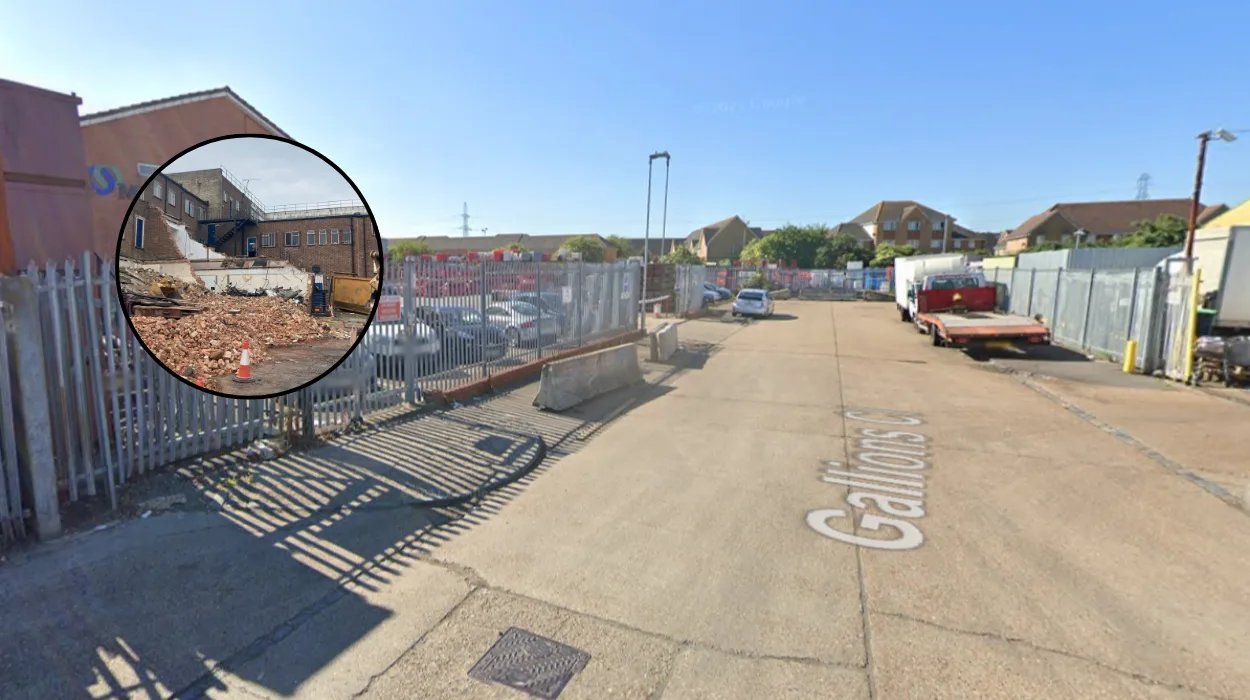
- A former recycling depot at the Edwards Recycling Site in Gallions Close, Barking, could be replaced with open air storage under new plans submitted by Snappy Storage Solution Ltd.
- The proposals involve the demolition of existing structures on the site.
- If approved, the site would be converted into a temporary open air storage facility.
- The application is classified as a major development and is currently open for public consultation.
- Comments on the proposals can be submitted to the planning team by emailing [email protected] or via the council’s online planning portal.
- The consultation period runs until February 11, with all submissions required by that date.
- The application can be viewed online by searching the reference number on the Barking and Dagenham Council website.
- The Public Notice Portal at www.publicnoticeportal.uk provides access to planning applications, alcohol licensing applications, and planned road closures.
- The Public Notice Portal is owned and operated by the News Media Association (NMA), representing nearly 900 local and regional news titles reaching 40 million people monthly.
Barking (East London Times) January 27, 2026 – Proposals to transform a former recycling depot in Gallions Close, Barking, into a temporary open air storage facility have been submitted by Snappy Storage Solution Ltd, sparking a public consultation process. The plans involve demolishing existing structures at the Edwards Recycling Site, a move classified as a major development by local authorities. Residents and stakeholders have until February 11 to submit feedback via email to [email protected] or the Barking and Dagenham Council’s planning portal.
- Key Points
- What Are the Details of the Proposed Development?
- Why Is This Classified as a Major Development?
- How Can the Public Submit Comments on the Proposals?
- What Is the Deadline and Process for the Consultation?
- Where Can Residents View the Full Application?
- What Role Does the Public Notice Portal Play?
- Why Rely on the News Media Association’s Portal?
- How Does This Fit into Barking’s Broader Planning Landscape?
- What Potential Impacts Could the Storage Facility Have?
- Who Is Snappy Storage Solution Ltd?
- What Happens Next in the Approval Process?
What Are the Details of the Proposed Development?
The core of the application centres on repurposing the disused Edwards Recycling Site, located in Gallions Close, Barking. Snappy Storage Solution Ltd has lodged plans for the complete demolition of all current buildings and infrastructure on the site. According to the submission details outlined in the public notice, the site would then host temporary open air storage operations if granted approval. This shift from recycling activities to storage represents a significant change in land use within the industrial area of Barking.
No specific journalist is attributed to the original reporting in the primary source, but the notice originates from coverage linked to London-Now.co.uk, which first highlighted the application alongside related planning stories.
The proposal emphasises its temporary nature, though exact timelines for the storage use remain unspecified in the initial documentation. Full plans, including site layouts and environmental assessments, are accessible by searching the application reference number on the Barking and Dagenham Council website, as noted in the public announcement.
Why Is This Classified as a Major Development?
Local planning regulations designate the project as a major development due to its scale and potential impact on the surrounding area. Major developments typically involve significant structural changes, traffic implications, or economic effects, requiring extended public scrutiny.
In this case, the demolition and redevelopment of an entire site meet these criteria, prompting a formal consultation rather than a streamlined approval process.
As detailed in the planning notice from London-Now.co.uk, such classifications ensure broader community input, especially in densely populated regions like Barking.
This status also mandates detailed submissions to the council, covering aspects like noise, dust control during demolition, and ongoing storage operations. Councillor candidates and planning experts in the borough have historically flagged similar projects for their effects on local employment and environment, though no specific statements from officials have emerged yet on this application.
How Can the Public Submit Comments on the Proposals?
Residents wishing to voice support, opposition, or queries have clear channels outlined in the notice. Comments should be directed to the planning team via email at [email protected], with the application reference number included for reference. Alternatively, feedback can be lodged through the council’s online planning portal, which allows for document uploads and tracked submissions.
The consultation window opened recently and closes promptly on February 11, 2026, meaning all inputs must reach authorities by that deadline to be considered.
The public notice stresses that late submissions will not be accepted, underscoring the time-sensitive nature of participation. This structured approach aligns with standard UK planning protocols, ensuring transparency in decision-making.
What Is the Deadline and Process for the Consultation?
The consultation runs strictly until February 11, 2026, providing approximately two weeks from the notice’s circulation for public engagement. During this period, interested parties can review the full application dossier online via the Barking and Dagenham Council website by entering the reference number provided in the announcement. BeFirst, the regeneration agency involved, handles email responses, promising to log and review all valid inputs.
Post-consultation, council planners will collate feedback before deliberating on approval. If approved, works could commence shortly thereafter, subject to standard conditions like permits for demolition. The process mirrors recent Barking applications, such as those for housing or infrastructure, where public input has influenced outcomes, as referenced in linked London-Now.co.uk stories on Enfield and Alexandra Palace plans.
Where Can Residents View the Full Application?
Access to the complete application is straightforward through digital means. By visiting the Barking and Dagenham Council website and searching the specific reference number—detailed in the public notice—viewers can download plans, environmental reports, and supporting documents. This online repository ensures 24/7 availability, catering to working residents in the area.
The notice from London-Now.co.uk directs users away from physical visits, prioritising efficiency in the digital era. For those less tech-savvy, library or council office assistance may be available, though not explicitly stated. This setup complies with modern e-planning mandates, reducing paper use while broadening reach.
What Role Does the Public Notice Portal Play?
The Public Notice Portal at www.publicnoticeportal.uk serves as a central hub for such announcements, aggregating planning applications, alcohol licensing, and road closure notices nationwide. Users can search, save, and share notices affecting their locale, making it an invaluable tool for Barking residents tracking developments like the Gallions Close proposal.
Owned and operated by the News Media Association (NMA), the portal represents the voice of UK national, regional, and local newspapers. NMA members encompass nearly 900 titles, reaching 40 million people monthly and often serving communities for centuries as trusted news sources. Created by local publishers with Google News Initiative support, it hosts statutory notices from print editions, positioning it as the quickest way to stay informed on neighbourhood changes.
Why Rely on the News Media Association’s Portal?
The NMA’s platform underscores reliability, drawing from verified newspaper publications. Its aggregation of public notices ensures no key local matter—like the Snappy Storage Solution Ltd proposal—goes unnoticed. By centralising data, it empowers citizens, businesses, and councillors to engage proactively.
As the notice explains, many NMA publications have endured for generations, cementing their role as pillars of verified information. This backing lends credibility to announcements on sites like London-Now.co.uk, which link directly to the portal for comprehensive coverage.
How Does This Fit into Barking’s Broader Planning Landscape?
Barking and Dagenham Council oversees a flurry of applications, from residential conversions to commercial ventures, reflecting the borough’s regeneration push. The Edwards site proposal aligns with trends repurposing industrial brownfield land, potentially boosting storage capacity amid logistics demands. However, it raises questions on sustainability, given the site’s recycling history.
Linked coverage on London-Now.co.uk mentions parallel stories, such as Royal British Legion club redevelopment in Enfield and a £20m cable installation at Alexandra Palace, illustrating regional planning interconnectedness. No direct council statements exist yet, but precedents suggest balanced consideration of economic gains versus community impacts.
What Potential Impacts Could the Storage Facility Have?
Temporary open air storage could generate jobs in logistics and maintenance, appealing to Snappy Storage Solution Ltd’s business model. Yet, concerns may arise over visual amenity, traffic from lorries on Gallions Close, and loss of potential green space. Demolition phases typically involve temporary disruptions like noise and HGV movements.
Environmental statements in the application likely address these, though full details await public review. Neutral observers note similar past approvals in Barking have spurred economic activity without major long-term issues, per council records. Residents’ views will prove pivotal.
Who Is Snappy Storage Solution Ltd?
Snappy Storage Solution Ltd emerges as the applicant, specialising in flexible storage solutions across the UK. Little public detail on the firm accompanies the notice, but its submission reflects confidence in Barking’s strategic location near transport links. No executive quotes are provided, maintaining focus on the plans themselves.
As a private entity, the company navigates standard planning hurdles, with BeFirst as the consultee. Future updates may reveal more on operational scale or employment projections.
What Happens Next in the Approval Process?
Following February 11, planners analyse submissions, potentially convening committees for debate. Approval hinges on policy alignment, public response, and mitigations. If rejected, appeals remain possible; if greenlit, timelines for demolition and setup follow.
This methodical progression ensures democratic oversight, embodying UK planning ethos. Barking residents stand advised to act swiftly.