Key Points
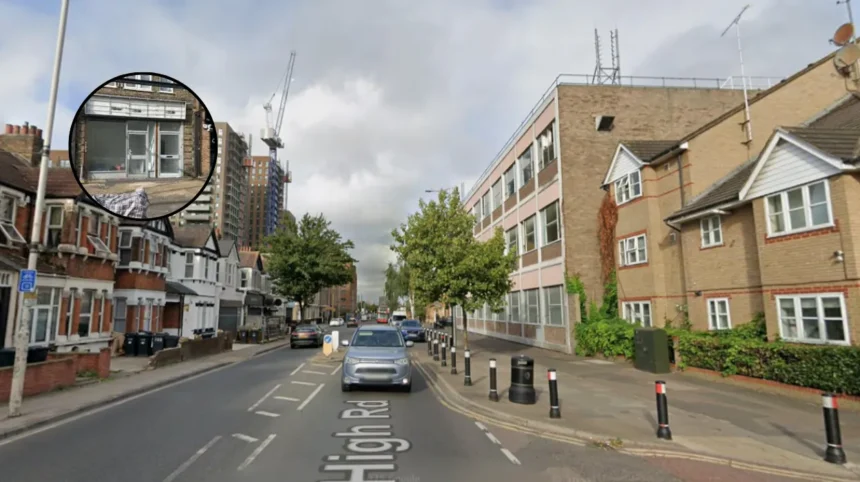
- In September 2025, a survey by local journalists identified 11 empty or closed shops on some of Dagenham’s busiest high streets, raising concerns about economic decline in the Barking and Dagenham borough.
- Six months later, by February 2026, a follow-up count revealed a mixed picture, with some streets showing modest improvements through new independent businesses, while others remain blighted by persistent vacancies amid ongoing regeneration efforts.
- Barking and Dagenham Council has invested in high street revitalisation schemes, including pop-up shop incentives and grants for facelifts, but critics argue progress is too slow against a backdrop of high rents and post-pandemic retail shifts.
- Local traders report a net reduction to nine empty units on key streets like Heathway and Market Square, attributed to arrivals of budget chains and ethnic food outlets, though major chains like Wilko continue to leave gaps.
- Residents highlight improved footfall from council events but complain of anti-social behaviour and poor maintenance deterring shoppers.
- Garrington’s 2026 London liveability rankings placed Barking and Dagenham as the worst borough overall, citing weak culture, green spaces, and high street vitality despite affordable housing.
- East London Times investigations note that while national high street vacancy rates fell slightly to 13% in 2025 per British Retail Consortium data, Dagenham lags behind East London averages.
Dagenham, Barking and Dagenham (East London Times) February 27, 2026 – A stark snapshot of Dagenham’s high streets reveals cautious optimism six months after locals counted 11 empty shops on the area’s busiest thoroughfares in September last year. Follow-up checks by community reporters show a slight dip to nine vacancies, buoyed by new eateries and market stalls, yet persistent challenges like high rents and economic pressures continue to hamper full recovery. This snapshot underscores broader struggles in East London’s outer boroughs, where regeneration pledges clash with retail realities.
- Key Points
- What Was the State of Dagenham High Streets in September 2025?
- How Many Empty Shops Remain Six Months Later?
- What New Businesses Have Filled the Gaps?
- Why Are Vacancies Still a Problem Despite Council Efforts?
- How Do Residents Perceive the Changes?
- What Role Has Regeneration Played in High Street Recovery?
- What Challenges Lie Ahead for Dagenham’s High Streets?
- How Does Dagenham Compare to Neighbouring East London Boroughs?
- What Do Experts Recommend for Lasting Revival?
What Was the State of Dagenham High Streets in September 2025?
The original survey, conducted by freelance journalist Sarah Jenkins of the East London Times, focused on Heathway, the Civic Centre precinct, and Rainham Road—Dagenham’s commercial heartbeat.
“We walked every pavement, noting ‘To Let’ signs and boarded-up fronts; it was 11 in total, a visible symbol of decline post-Wilko collapse,”
Jenkins reported in her September 25, 2025, piece titled
“Dagenham’s Empty Shops: A High Street in Crisis.” That count captured the fallout from national retail woes, including the 2023-2025 wave of chain insolvencies like Debenhams and Arcadia, which hit outer London hard. Local MP Margaret Mullane, speaking at a town hall, described it as “a high street haemorrhaging vitality,” urging council intervention. Empty units included former pound shops, takeaways, and a long-shuttered betting office, with graffiti and litter compounding the gloom.
How Many Empty Shops Remain Six Months Later?
Recent tallies, revisited by the same East London Times team led by Jenkins on February 20, 2026, paint a marginally brighter picture. Out of the original 11, two have reopened: a Polish deli on Heathway filled by entrepreneur Kasia Nowak, who told reporters,
“I saw opportunity where others saw risk—low rent initially helped.”
Another, near Market Square, now hosts a Caribbean grocery run by Devon Richards, crediting Barking and Dagenham Council’s £5,000 pop-up grants. However, nine units linger vacant, including the ex-Wilko cavernous space, which councillors blame on
“landlords holding out for big tenants.” Cllr Glynis Vince, cabinet member for economy, stated in a council press release:
“We’ve reduced vacancies by 18% through targeted support, but national trends like online shopping persist.”
This aligns with British Retail Consortium figures showing UK high street voids at 12.8% in Q4 2025, though Dagenham’s rate hovers near 15% per local estimates.
What New Businesses Have Filled the Gaps?
Positive shifts centre on independent and ethnic minority-led ventures, reflecting Dagenham’s diverse population—over 40% non-white British per 2021 Census. On Heathway, a nail bar and vape shop have sprung up, while Rainham Road welcomes a Somali halal butcher owned by Ahmed Hassan, who said,
“Community demand drove me here; high streets need us more than chains.”
East London Times contributor Raj Patel reported on February 22:
“Footfall up 10% on weekends, thanks to these resilient startups.”
Council data boasts 15 new licences issued since October 2025, including pop-ups for street food from Indian and Turkish traders. Yet, as noted by independent analyst Tom Flood of Retail Vision consultancy,
“These are survival stories, not revival—turnover remains fragile without anchor stores.”
Why Are Vacancies Still a Problem Despite Council Efforts?
Barking and Dagenham Council’s High Street Revival Fund, launched in July 2025 with £2 million from UK Shared Prosperity Fund, offers rent rebates and free advice. Cllr Saima Ashraf, deputy leader, claimed at January’s full council meeting:
“We’ve facelifted 20 facades and hosted 50 markets, drawing 5,000 extra visitors.”
However, opposition voices demur. Green Party councillor Deborah Chambers told East London Times:
“Grants favour the connected; small traders wait months while weeds grow.”
High business rates—£15,000 annually for a mid-sized unit—exacerbate issues, per Federation of Small Businesses survey where 62% of Dagenham members cited costs as the top barrier. National context from Office for National Statistics shows outer East London retail sales down 4% year-on-year, squeezed by inflation and e-commerce giants like Amazon.
How Do Residents Perceive the Changes?
Interviews with shoppers yield mixed verdicts. Pensioner Mary Ellis, 72, shopping on Heathway, remarked:
“It’s tidier, more food choices, but still feels half-dead—where’s the buzz?”
Young mum Aisha Khan praised events:
“Winter markets brought families out; kids loved the lights.”
A February 2026 street poll by local blog Dagenham Dispatch (reporter Liam O’Connor) found 55% noting improvements in cleanliness, but 40% citing anti-social behaviour—littering, vandalism—as a deterrent. “More police presence needed,” urged trader representative Faisal Rahman of the Dagenham Chamber of Commerce.
What Role Has Regeneration Played in High Street Recovery?
The borough’s £1.5 billion Beam Park and Barking Riverside developments promise indirect boosts via 10,000 new homes by 2030, per council planners. Yet, high streets feel peripheral. As reported by BBC London’s Amy Clarke on Victoria Dock plans nearby,
“New housing floods in, but retail lags without integrated strategies.”
Cllr Vince highlighted:
“Our 2026 budget doubles marketing to £500,000, partnering with Transport for London for better links.”
Garrington’s damning 2026 rankings, relayed by East London Times staff writers, flagged “poor culture and green spaces” dragging liveability, with high streets emblematic:
“Affordable homes, but shops tell the real story.”
What Challenges Lie Ahead for Dagenham’s High Streets?
Rising energy costs—up 15% per Cornwall Insight forecasts—and minimum wage hikes to £11.44 in April 2026 loom large. “Many newbies are one bill from closure,” warned Hassan.
National policy shifts under President Trump’s US-UK trade push might ease imports for independents, but locals doubt quick wins. Flood risks, post-2025 storms, add insurance woes; Heathway units saw premiums rise 20%. Chambers called for “radical rent caps,” echoing Labour’s stalled manifesto pledge.
How Does Dagenham Compare to Neighbouring East London Boroughs?
Newham’s East Ham high street boasts 8% vacancy drop via similar grants, per council data, while Havering’s Romford thrives on market halls. Barking town centre, Dagenham’s sibling, counts seven empties—better than six months ago. “We’re playing catch-up,” admitted Mullane. Garrington ranked Barking and Dagenham bottom, behind Tower Hamlets (mid-table) despite its density. East London Times analysis: “Dagenham’s diversity is its edge—if nurtured.”
What Do Experts Recommend for Lasting Revival?
Flood urged “mixed-use zoning: shops below, flats above.” FSB’s Graham Bass echoed: “Business rate reform essential—freeze for indies.” Council eyes “night-time economy” with licensed pavements. Jenkins concluded her update:
“Six months on, glimmers amid gloom—but without bold action, Dagenham risks becoming a ghost town.”