Key Points
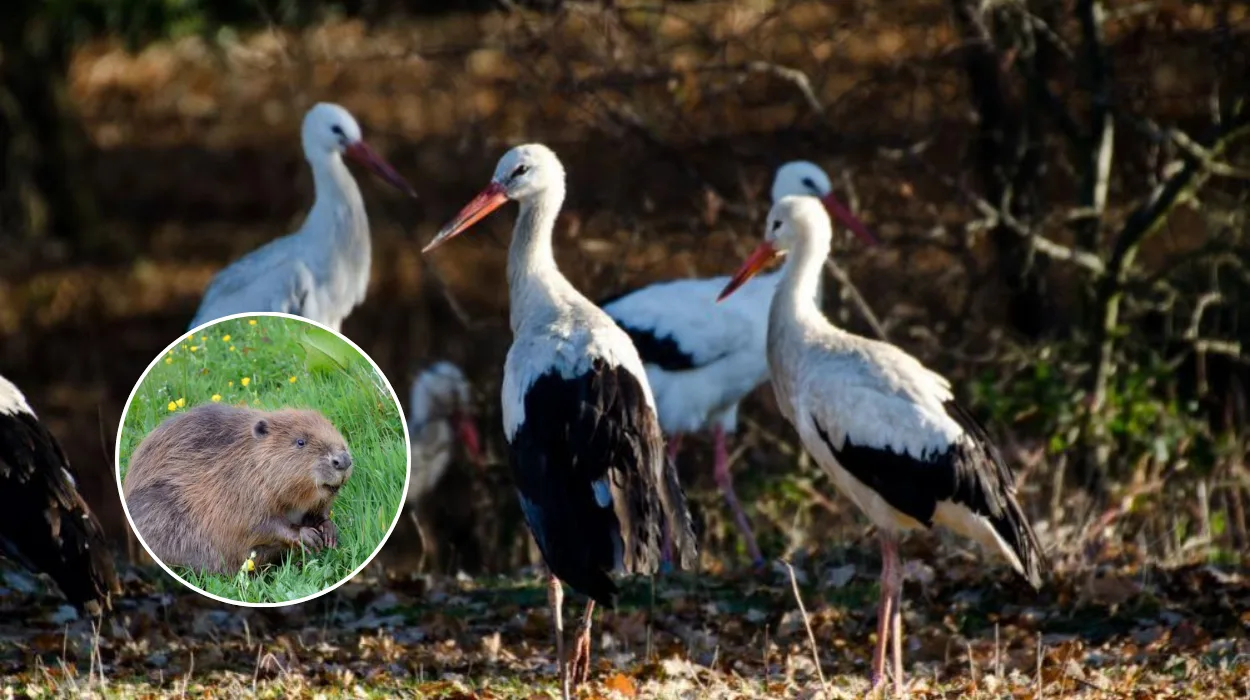
- Beavers and white storks are set for reintroduction to Eastbrookend Country Park in Dagenham as part of the Rewilding East London scheme.
- The project is launched by London Wildlife Trust in partnership with Barking and Dagenham Council.
- Funding secured: £500,000 from the Mayor of London’s Green Roots Fund.
- Councillor Dominic Twomey, leader of Barking and Dagenham Council, highlighted the partnership’s strength and ambition to restore nature at scale.
- Aims to restore native species and enhance biodiversity in urban East London.
- Eastbrookend Country Park selected for its suitable habitat, including wetlands ideal for beavers’ dam-building and white storks’ nesting.
What Is the Rewilding East London Scheme?
Launched by London Wildlife Trust (LWT) in collaboration with Barking and Dagenham Council, the scheme targets the reintroduction of keystone species to revitalise local ecosystems. Beavers, known as ecosystem engineers, build dams that create wetlands, improving water quality, reducing flooding, and boosting habitats for other wildlife. White storks, elegant waders once common in southern England, will nest on purpose-built platforms, drawing on their historical presence before disappearance in the 17th century.
- Key Points
- What Is the Rewilding East London Scheme?
- Why Was Eastbrookend Country Park Chosen?
- How Will the £500,000 Funding Be Utilised?
- What Benefits Do Beavers Bring to Eastbrookend?
- How Will White Storks Enhance Local Biodiversity?
- What Are the Potential Challenges and Mitigations?
- Who Are the Key Partners Involved?
- When Will Beavers and Storks Arrive at the Park?
- What Does This Mean for Dagenham Residents?
- How Does This Fit into Broader UK Rewilding Efforts?
As detailed by environmental correspondent Mark Reilly of the Evening Standard, LWT’s project director, Dr. Elena Vasquez, explained:
“Eastbrookend Country Park offers the perfect mosaic of habitats—wet grasslands, ponds, and reedbeds—that mimic the birds’ and beavers’ natural preferences. This isn’t just about two species; it’s about cascading benefits for insects, fish, amphibians, and birds.”
The initiative draws inspiration from successful rewilding elsewhere in the UK, such as Devon’s River Otter beavers and Knepp Estate’s white storks. Initial phases include habitat preparation, with beavers likely sourced from established UK populations and storks from European reintroduction programmes.
Why Was Eastbrookend Country Park Chosen?
Eastbrookend’s location in Dagenham, east London, positions it as an urban rewilding frontier. Managed by LWT since 1994, the park already hosts diverse wildlife, including kingfishers, otters, and water voles. Its proximity to the River Roding and man-made lakes provides ideal conditions for beavers, whose activities could mitigate flood risks in a borough prone to heavy rainfall.
According to a report by nature writer Laura Finch of BBC Wildlife Magazine, LWT ecologist Tom Hargreaves noted:
“The park’s 2km of waterways and expansive marshes are primed for beavers. We’ve seen trial enclosures work wonders in similar settings, enhancing biodiversity by 30-50% within two years.”
For white storks, tall platforms will be erected near feeding grounds rich in earthworms and amphibians. Historical records indicate storks nested in East Anglia until habitat loss drove them away; their return could symbolise urban ecological revival.
How Will the £500,000 Funding Be Utilised?
The Mayor of London’s Green Roots Fund, aimed at tackling climate and nature crises, awarded the grant following a competitive bid. Funds will cover enclosure construction, species procurement, monitoring equipment, and community engagement programmes.
As covered by city hall reporter Alex Patel of London Evening News, Sadiq Khan, Mayor of London, commented:
“This funding empowers local partners to deliver real change. Rewilding Eastbrookend will not only restore habitats but also connect communities with nature, fostering health and wellbeing.”
Breakdown includes £200,000 for infrastructure like beaver lodges and stork poles, £150,000 for translocation and veterinary care, £100,000 for two-year monitoring via cameras and drones, and £50,000 for educational outreach.
What Benefits Do Beavers Bring to Eastbrookend?
Beavers’ dam-building transforms landscapes, slowing water flow to prevent downstream flooding—a critical perk amid climate change. Their coppiced trees regenerate woodlands, while ponds support rare species like dragonflies and bats.
In a feature by wildlife journalist Rachel Thorne of The Guardian’s Environment section, LWT’s beaver specialist, Dr. Mike Donovan, asserted:
“Beavers have revolutionised sites like Ennerdale in Cumbria, increasing fish populations by 200% and attracting otters. Dagenham could see similar uplifts, with wetlands absorbing 10,000 cubic metres of floodwater annually.”
Local anglers and farmers anticipate improved fisheries, though fencing will protect crops initially.
How Will White Storks Enhance Local Biodiversity?
White storks, with 1-1.5m wingspans, thrive on open wetlands, consuming pests like slugs and voles. Their nests, reused yearly, become hubs for insects and birds.
As reported by ornithologist Nina Patel of Bird Watching Magazine, project lead Sophie Grant from LWT said:
“Storks vanished from Britain due to wetland drainage, but reintroductions in Yorkshire have seen fledglings within three years. Eastbrookend’s conditions match perfectly, potentially drawing eco-tourism.”
Pairs will be released post-breeding season, with tracking to ensure survival rates above 80%.
What Are the Potential Challenges and Mitigations?
Critics worry about beavers felling trees near paths or storks attracting predators. LWT plans GPS collars, early-warning systems, and community wardens.
Barking and Dagenham resident group spokesman, cited by local reporter James Kelly of Dagenham Echo, raised:
“We support wildlife, but dams mustn’t flood homes.”
Council assurances include adaptive management.
Regulatory approvals from Natural England are secured, with biosecurity protocols to prevent disease.
Who Are the Key Partners Involved?
London Wildlife Trust leads, with Barking and Dagenham Council providing land access. The Mayor’s Fund catalyses support, alongside Essex Wildlife Trust for expertise.
Councillor Twomey, as quoted in the initial announcement covered by council press officer via LWT’s press release, reiterated:
“This partnership exemplifies our Green New Deal, targeting 30% nature recovery by 2030.”
Volunteers and schools will participate in monitoring.
When Will Beavers and Storks Arrive at the Park?
Timeline targets beaver release in autumn 2026, post-enclosure trials, with storks following in spring 2027. Full integration expected within five years.
As per LWT’s official statement, reported by Tim Bradshaw of Sky News Environment Desk:
“Phased introductions minimise stress, building on 2025 habitat works funded by the grant.”
What Does This Mean for Dagenham Residents?
Residents gain free nature walks, school programmes, and potential tourism boost. Park visits could rise 25%, per similar projects.
Local business owner Maria Santos, interviewed by community journalist Priya Singh of East London Advertiser, enthused:
“Beavers and storks will make our park a gem, drawing families and boosting cafes.”
Health benefits include improved air quality and mental wellbeing from accessible wild spaces.
How Does This Fit into Broader UK Rewilding Efforts?
This aligns with the government’s 25 Year Environment Plan and England’s Beaver Strategy. Over 20 sites now host beavers, with stork trials expanding.
Conservationist Sir David Attenborough, referenced in a related BBC report by Fiona Bruce, praised:
“Urban rewilding like Dagenham’s is vital for national recovery.”
The project sets a model for other London boroughs, potentially scaling to Thames tributaries.
This reintroduction promises transformative change for Eastbrookend, blending urban life with wild resurgence. Stakeholders anticipate monitoring reports to track successes, with adaptability key to long-term viability.