Key Points
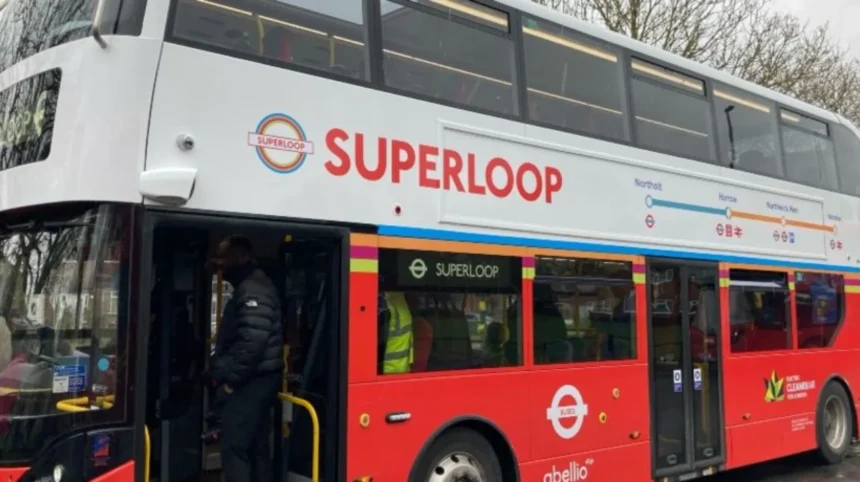
- Margaret Mullane, MP for Dagenham and Rainham, has formally raised passenger accessibility concerns with Transport for London regarding the new SL12 Superloop bus service.
- Despite King George Hospital being advertised as a key destination along the route, the SL12 service does not enter the hospital grounds, dropping passengers off at a distance instead.
- The physical separation between the nearest bus stop and the hospital entrance forces passengers, including those with chronic pain or mobility impairments, to walk a significant distance.
- Transport for London defended the design, explaining that bypassing the hospital grounds was necessary to maintain high-speed journey times, which represent a core objective of the express Superloop network.
- Transport for London confirmed that feedback regarding accessibility has been directed to its bus planning team and that the route will be systematically monitored during its review process.
- Mullane urged Transport for London to ensure disabled passengers and residents with reduced mobility are given equal consideration alongside speed and convenience when designing London’s public transport infrastructure.
Dagenham (East London Times) October 5, 2026 – Margaret Mullane, the Member of Parliament for Dagenham and Rainham, has intervened on behalf of local constituents to challenge Transport for London over accessibility barriers on the newly launched SL12 Superloop bus route. Although Transport for London officially promotes King George Hospital as a primary destination served by the express network, the buses do not turn into or traverse the actual hospital site. Consequently, passengers using the route are required to disembark at a road stop located outside the main facility grounds, forcing them to undertake a considerable walk to reach the clinical entrances. For individuals living with chronic pain, severe physical disabilities, or temporary mobility challenges, this walking distance creates a physical barrier to healthcare access.
How Has Transport For London Responded To Accessibility Concerns On The SL12 Route?
What was the operational reasoning provided by transport planners for skipping the hospital grounds?
In response to direct representations submitted by Mullane, Transport for London clarified the operational strategy behind the layout of the route. The transport body confirmed that the choice to bypass the internal roads of King George Hospital was made intentionally to safeguard the swift travel times that define the Superloop initiative. According to transport officials, diverting the SL12 service into the hospital site would introduce traffic friction and operational delays, thereby compromising the overarching speed and efficiency promised by the express bus brand. However, Transport for London confirmed that all accessibility feedback submitted by local residents and public representatives has been transferred directly to its specialized bus planning division, assuring that the performance and physical access parameters of the route will be actively tracked throughout its ongoing review period.
What Did Margaret Mullane State Regarding Transport Equity And Route Planning?
How did the local MP balance network efficiency against the day-to-day requirements of disabled residents?
As reported by Sandra Rowse of The Havering Daily, Margaret Mullane MP stated that
“I understand the case for faster Superloop routes and that there are difficult decisions to make when designing a transport network. However, accessibility must be considered alongside speed and convenience.”
Mullane further highlighted the broader scope of accessible infrastructure within the capital, emphasizing that equal access extends beyond medical trips. As reported by Sandra Rowse of The Havering Daily, Mullane stated that
“Disabled people do not just travel to hospitals. They travel to work, to education, to shops, to visit friends and family and to take part in community life. Public transport should be designed with those journeys in mind.”
Addressing the specific issues surrounding the Goodmayes facility, as reported by Sandra Rowse of The Havering Daily, Mullane stated that
“In this case, a constituent contacted me because they felt that a route promoted as serving King George Hospital did not provide the level of access they expected. For residents with mobility difficulties, the difference between stopping outside a hospital and stopping some distance away can be significant.”
Looking ahead to future policy decisions, as reported by Sandra Rowse of The Havering Daily, Mullane stated that
“I welcome TfL’s commitment to keep the route under review, and I hope it will give careful consideration to the experiences of disabled passengers and others who may struggle with longer walking distances.”
Mullane has formally requested that passenger feedback form a central element of all subsequent network evaluations, ensuring accessibility remains a primary pillar when shaping London’s bus infrastructure.
Background Of This Development
The Superloop express bus network was introduced by Transport for London to enhance orbital connectivity across outer London boroughs, offering faster transit options between key urban hubs, town centres, and medical facilities without routing passengers through central London. Under the design principles of the Superloop model, services operate with fewer stops and limited deviations to achieve shorter journey times compared to standard suburban bus routes.
King George Hospital, situated in Goodmayes within the London Borough of Redbridge, serves as a primary acute care facility for residents living across Barking and Dagenham, Havering, and Redbridge. Because acute medical centers serve large populations of elderly, disabled, and chronically ill patients, bus access to hospital front doors has historically been a critical component of local transport planning in Outer London. The tension between high-speed orbital transit and inclusive doorstep access has increasingly become a point of public debate between regional transport planners and local community representatives as new express routes are rolled out.
Prediction: How This Development Can Affect Passengers And Transport Policy
This ongoing dispute and subsequent route review are likely to affect several key stakeholder groups across Outer London in distinct ways:
- Impact on Patients and Disabled Passengers: If the current route design remains unchanged, patients with reduced mobility, elderly visitors, and individuals relying on mobility aids may experience continued physical hardship or be forced to seek alternative transit options, such as standard local bus routes, private taxis, or non-emergency transport services. Conversely, if Transport for London adapts the route to include a direct drop-off loop inside the hospital grounds, journey accessibility will improve significantly for vulnerable road users.
- Impact on Express Commuters: Should Transport for London decide to re-route the SL12 service directly into the King George Hospital site, general commuters relying on the Superloop for rapid travel between Outer London hubs may experience slight increases in overall travel times. This would require transport planners to balance the competing demands of route velocity and inclusive stopping locations.
- Impact on Future Network Planning: The public representations made by local MPs like Margaret Mullane could establish a precedent for future reviews of outer London express routes. Transport for London may be compelled to adjust its public signage, route designations, and stop placement guidelines to ensure that services marketed as serving major public facilities provide direct physical access without creating unexpected obstacles for passengers with accessibility requirements.