Key Points
- The Lodge Avenue Flyover in Dagenham, built in 1973, carries a stretch of the A13—one of London’s busiest roads—over the Ripple Road roundabout and requires replacement due to its age and condition.
- Transport for London (TfL) has appointed Road Management Services (RMS), which manages a 25km section of the A13 for TfL, to oversee the project; RMS has selected Dragados as the contractor to deliver the replacement.
- Works are expected to take two years, though confirmed start and end dates remain unannounced as Dragados continues planning.
- A TfL response to a Freedom of Information (FOI) request in September 2024 indicated construction was anticipated to begin in early 2025, but no work has started as of January 2026.
- TfL evaluated multiple replacement options, including an underpass, but opted for a like-for-like structure as the most favourable.
- Temporary diversions will operate during works, with two traffic lanes kept open in both eastbound and westbound directions to maintain flow, though restrictions will apply based on demolition and construction schedules.
- TfL is collaborating with Barking and Dagenham Council to reroute bus services 287 and 687 from the A13 to Goresbrook Road to safeguard journey times.
- In October 2022, the speed limit on the flyover was reduced from 40mph to 30mph to prolong its life until replacement; the new structure will allow reinstatement to 40mph, aiding traffic flow.
- This project forms part of TfL’s broader efforts to enhance sections of the A12 and A13, including the ongoing Gallows Corner refurbishment, where 10 of 13 flyover sections were installed by November 2025, with a three-phase timeline targeting reopening in spring 2026 (exact completion date pending).
- Further details on road closures and dates will appear on TfL’s project page when available.
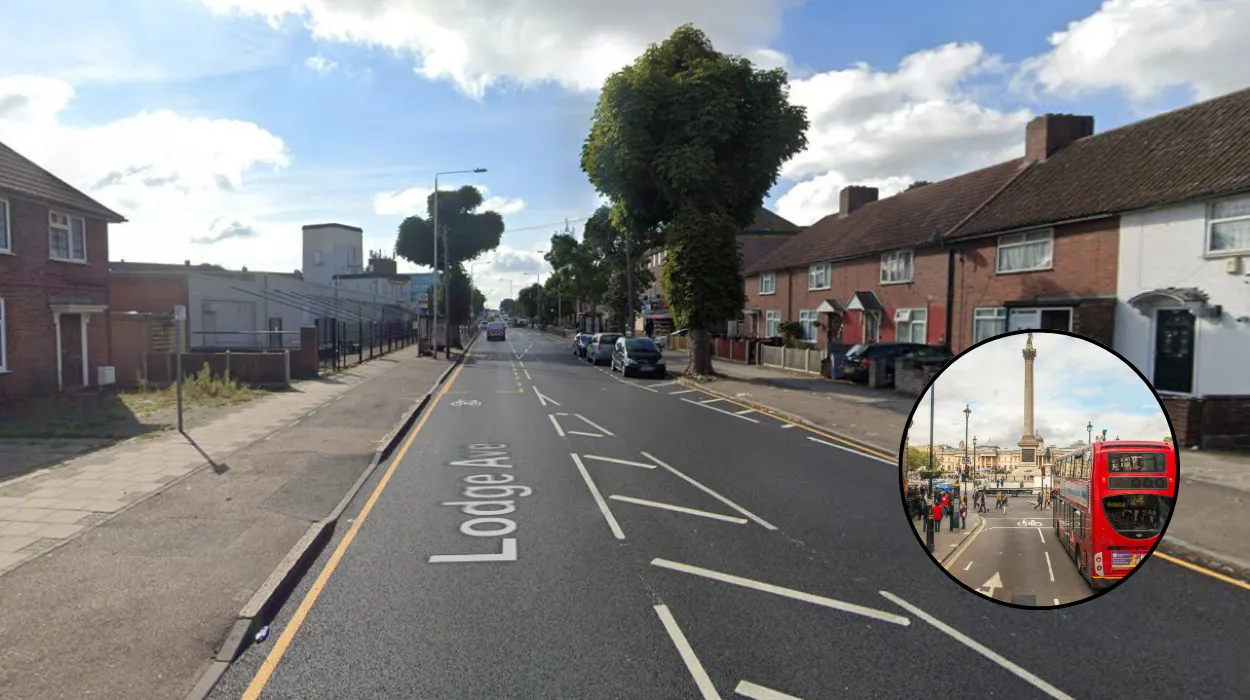
Dagenham (East London Times) 20 January 2026 – Transport for London (TfL) plans to replace the ageing Lodge Avenue Flyover on the A13 in Dagenham, a critical structure built in 1973 that elevates one of London’s busiest roads over the Ripple Road roundabout, with works slated to span two years though no firm start date has materialised despite earlier projections.
- Key Points
- Why Does the Lodge Avenue Flyover Need Replacement?
- What Replacement Options Did TfL Consider?
- When Will Construction Begin and How Long Will It Take?
- How Will Traffic Be Managed During the Works?
- What Changes Will the New Flyover Bring?
- How Does This Fit into TfL’s Wider A13 and A12 Improvements?
- Who Is Responsible for Delivering the Project?
- What Updates Can Residents Expect?
The flyover’s deterioration necessitates full replacement, as outlined on TfL’s website, where it states the structure “needs to be replaced because of its age and condition”. Road Management Services (RMS), tasked with operating and maintaining a 25km stretch of the A13 on TfL’s behalf, has appointed Dragados to execute the project. While TfL anticipates a two-year duration, confirmed timelines await Dragados’ planning completion.
Why Does the Lodge Avenue Flyover Need Replacement?
The Lodge Avenue Flyover, constructed in 1973, has reached a point where its age and condition demand intervention, according to TfL’s official project page. TfL describes the A13 as “one of the busiest roads in London”, underscoring the flyover’s strategic importance in handling heavy east-west traffic over the Ripple Road roundabout. As reported across multiple sources covering TfL announcements, the structure’s deterioration poses safety and reliability risks if left unaddressed.
In a response to a Freedom of Information (FOI) request dated September 2024, TfL detailed the rationale, noting the flyover’s longstanding wear from decades of intense use. No specific journalist attribution appears in the FOI document itself, but coverage by local outlets highlights TfL’s assessment that continued maintenance alone cannot suffice. Temporary measures, such as the October 2022 speed limit reduction from 40mph to 30mph along the entire stretch, were implemented precisely “to extend the life of the flyover until it can be replaced”, per TfL’s statements.
What Replacement Options Did TfL Consider?
TfL explored several alternatives before settling on a like-for-like replacement, as revealed in the September 2024 FOI response. Among the options was replacing the existing flyover with an underpass, which would have altered the road layout significantly. Ultimately, TfL concluded that “the like-for-like replacement is the most favourable option”, balancing cost, disruption, and functionality.
This decision aligns with engineering feasibility studies referenced in TfL documentation, ensuring the new structure mirrors the current design while incorporating modern standards for durability. Sources covering the FOI emphasise TfL’s thorough evaluation process, avoiding more radical changes that could exacerbate traffic issues on this vital artery.
When Will Construction Begin and How Long Will It Take?
Construction timelines remain fluid, with TfL’s website noting that “a confirmed start and end date are yet to be confirmed as Dragados is still planning the works”. The September 2024 FOI response projected an early 2025 start, yet as of January 2026, no work has commenced, prompting questions about delays. TfL expects the full replacement to take two years once underway.
Details on road closures, diversions, and phased schedules will update on TfL’s dedicated page, it states. The absence of progress since the FOI has fuelled local speculation, though TfL attributes this to ongoing contractor preparations by Dragados, appointed by RMS.
How Will Traffic Be Managed During the Works?
Temporary diversions will support traffic continuity, with TfL committing to keep “two traffic lanes… open according to TfL to ensure traffic can continue to flow in both eastbound and westbound directions”. Restrictions will occur periodically, tied to the demolition and construction timetable, minimising widespread disruption where possible.
TfL is coordinating with Barking and Dagenham Council on bus rerouting, specifically diverting services 287 and 687 from the A13 to Goresbrook Road. This measure aims “to protect bus journey times ahead of the replacement of Lodge Avenue Flyover”, as stated by TfL. Such steps reflect a multi-agency approach to sustain public transport reliability amid the works.
What Changes Will the New Flyover Bring?
The replacement will enable TfL to “reinstate the speed limit to 40mph which will help traffic flow along the A13”, reversing the 2022 reduction imposed for safety. This adjustment promises smoother journeys on the upgraded structure, designed for longevity under heavy loads.
Local reporting notes resident anticipation for reduced congestion, given the A13’s role in connecting East London communities. TfL positions this as enhancing overall network resilience.
How Does This Fit into TfL’s Wider A13 and A12 Improvements?
This initiative is one of several TfL projects to “improve sections of the A12 and A13”, including the Gallows Corner refurbishment. As of November 2025, “10 out of the 13 flyover sections had been installed at Gallows Corner”, following a three-phase timeline with reopening eyed for spring 2026, though TfL has not fixed an official completion.
Gallows Corner’s progress exemplifies TfL’s commitment to arterial road upgrades, paralleling Lodge Avenue’s needs. Both sites address ageing infrastructure on key routes, benefiting commuters across Havering and Barking and Dagenham.
Who Is Responsible for Delivering the Project?
Road Management Services (RMS) holds responsibility for operating and maintaining the 25km A13 section on TfL’s behalf, having “appointed Dragados to deliver the replacement of the flyover”. TfL oversees the broader programme, ensuring alignment with safety and traffic goals.
Collaboration extends to Barking and Dagenham Council for local impacts, such as bus adjustments. No individual names from RMS or Dragados feature in public statements, but TfL’s project page serves as the primary information hub.
What Updates Can Residents Expect?
TfL pledges that “details about the works such as road closures and dates will be updated on TfL’s page when available”. This commitment addresses community calls for transparency, especially given the FOI-highlighted delays.
Residents in Dagenham and surrounding East London areas should monitor TfL’s website and local council channels for phased announcements. As works advance, expect notifications on specific diversions and access changes.