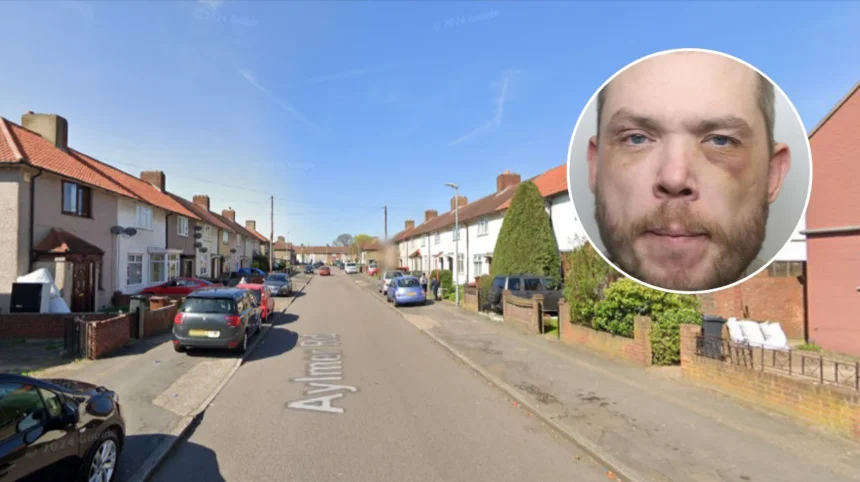
Key Points
- Aaron Lee Taylor, aged 36, defrauded residents out of more than £100,000 through building work scams across the Barking and Dagenham region.
- Taylor operated under aliases including Aaron Stokes, Paul Smith, and Aran Taylor.
- He set up fake companies such as Elite Master Contractors Ltd to appear legitimate.
- Over two years, Taylor took on six building jobs in the region.
- After receiving initial payments, he demanded further sums and ultimately abandoned the jobs.
- Victims were left with homes in dangerous or barely habitable conditions.
- Some victims faced thousands of pounds out of pocket and substantial repair bills.
- Taylor, described as a “cowboy builder” in court, was sentenced in his absence to three years’ imprisonment on each count, to run concurrently.
- Sentencing occurred on Friday, January 23, 2026.
- Councillor Syed Ghani, cabinet member for enforcement and community safety, stated: “Protecting residents from rogue traders is one of our top priorities, and I’m proud of the work our trading standards team and TRIT have done to secure this outcome.”
- Councillor Ghani added: “This sentence sends a clear message that we will not tolerate those who exploit people in their own homes.”
- Barking and Dagenham Council will push ahead with confiscation proceedings to recover the proceeds of these crimes.
Barking and Dagenham (East London Times) Feb 10, 2026 – Aaron Lee Taylor, a 36-year-old fraudulent trader from the region, has been jailed for three years after defrauding residents of more than £100,000 through bogus home improvement scams. Operating under multiple aliases and fake company names, Taylor took payments for six building jobs over two years before demanding extra funds and abandoning the work, leaving victims with unsafe homes and hefty repair costs. The sentence, handed down in his absence at court on Friday, underscores the council’s commitment to tackling rogue traders, with confiscation proceedings now underway.
- Key Points
- Who is Aaron Lee Taylor and What Did He Do?
- How Was Taylor Caught and Sentenced?
- What Did Councillor Syed Ghani Say About the Case?
- Which Victims Were Affected and What Were the Impacts?
- Why Did Taylor Use Aliases and Fake Companies?
- What Role Did Trading Standards Play?
- What Happens Next with Confiscation Proceedings?
- How Can Residents Avoid Rogue Traders?
- What Broader Message Does This Send?
Who is Aaron Lee Taylor and What Did He Do?
Aaron Lee Taylor, 36, targeted vulnerable residents in Barking and Dagenham and surrounding areas with building work scams. As detailed in court proceedings, he posed as a legitimate contractor but systematically exploited homeowners. Described by the judge as a “cowboy builder,” Taylor used aliases such as Aaron Stokes, Paul Smith, and Aran Taylor to evade detection.
He established sham companies like Elite Master Contractors Ltd to lend credibility to his operations. Over a two-year period, Taylor secured contracts for six separate home improvement projects across the region. Initial payments were accepted, but he then inflated costs with unjustified demands for more money before vanishing, leaving jobs incomplete.
Victims reported homes left in perilous states—dangerous structures, exposed wiring, and barely habitable conditions that posed immediate risks. Many faced losses running into thousands of pounds, compounded by expensive repairs from legitimate builders to rectify the damage.
How Was Taylor Caught and Sentenced?
Taylor’s fraudulent activities came under scrutiny through investigations by the local trading standards team and TRIT, the Trading Standards Rogue Trader Initiative. Persistent complaints from defrauded residents triggered a thorough probe into his operations. Evidence of fake companies, alias usage, and a pattern of abandoned jobs formed the backbone of the case against him.
On Friday, January 23, 2026, Taylor was sentenced in his absence to three years’ imprisonment on each count, with all terms running concurrently. The court highlighted the premeditated nature of his scams and the severe impact on victims, justifying the custodial sentence despite his non-appearance. This outcome reflects a zero-tolerance approach to such crimes in the region.
What Did Councillor Syed Ghani Say About the Case?
Councillor Syed Ghani, cabinet member for enforcement and community safety at Barking and Dagenham Council, welcomed the sentencing as a significant victory. As reported in the initial coverage, he stated:
“Protecting residents from rogue traders is one of our top priorities, and I’m proud of the work our trading standards team and TRIT have done to secure this outcome.”
Ghani emphasised the deterrent effect, adding:
“This sentence sends a clear message that we will not tolerate those who exploit people in their own homes.”
He further announced proactive measures, saying:
“We will now push ahead with confiscation proceedings to ensure the proceeds of these crimes are recovered.”
These comments, attributed directly to the councillor, highlight the council’s ongoing enforcement strategy.
Which Victims Were Affected and What Were the Impacts?
The six building jobs affected multiple households across Barking and Dagenham, with victims suffering financial ruin and safety hazards. Taylor’s modus operandi involved promising quality work—such as roofing, extensions, or renovations—then extracting upfront payments before escalating demands.
Once additional funds were paid or refused, he abandoned sites, leaving substandard or hazardous work. Homes were reported as “dangerous or barely habitable,” with examples including unstable structures and incomplete repairs that violated building regulations. Victims incurred “thousands of pounds out of pocket” on top of “substantial repair bills” to hire professionals for fixes.
No specific victim names were disclosed in court reports to protect their privacy, but the collective loss exceeded £100,000, underscoring the scale of the fraud.
Why Did Taylor Use Aliases and Fake Companies?
Taylor’s use of aliases—Aaron Stokes, Paul Smith, Aran Taylor—and fake entities like Elite Master Contractors Ltd was a deliberate tactic to project legitimacy. These ruses allowed him to solicit business via flyers, online ads, and word-of-mouth while dodging prior complaints or checks.
By mimicking established firms, he reassured homeowners, securing deposits quickly. Court documents revealed no genuine trading history or insurance for these aliases, confirming their fraudulent nature. This pattern mirrors common rogue trader tactics, as noted in trading standards warnings.
What Role Did Trading Standards Play?
The trading standards team, alongside TRIT, played a pivotal role in dismantling Taylor’s operation. Their work involved collating victim testimonies, tracing payments, and unmasking fake identities. Councillor Ghani specifically praised their efforts, crediting them for the conviction.
Such collaborations enable resource-sharing and expertise in pursuing cross-regional scams. The successful prosecution serves as a model for similar cases, bolstering resident confidence in local protections.
What Happens Next with Confiscation Proceedings?
Following the sentencing, Barking and Dagenham Council intends to initiate confiscation proceedings under the Proceeds of Crime Act. This aims to seize any assets gained from Taylor’s fraud, reimbursing victims where possible. Councillor Ghani confirmed:
“We will now push ahead with confiscation proceedings to ensure the proceeds of these crimes are recovered.”
These proceedings, often lengthy, assess hidden profits and lifestyle benefits from crime. Success could recover portions of the £100,000+ losses, providing financial relief to those defrauded.
How Can Residents Avoid Rogue Traders?
This case highlights vulnerabilities in home improvement scams. Residents are advised to verify traders via approved schemes, check credentials, and avoid upfront full payments. Barking and Dagenham Council urges reporting suspicions to trading standards promptly.
Councillor Ghani’s remarks reinforce prevention: protecting homes is a “top priority.” Awareness campaigns and tools like “Buy with Confidence” schemes are promoted regionally.
What Broader Message Does This Send?
The three-year sentence delivers a “clear message,” per Councillor Ghani, against exploiting residents. It signals robust enforcement amid rising rogue trader reports nationally. Taylor’s absence at sentencing may prompt a warrant, ensuring he serves time.
Authorities view this as a deterrent, with TRIT’s involvement exemplifying inter-agency cooperation. Victims’ perseverance aided justice, potentially aiding future prosecutions.