Key Points
- Toll charges for cars using the Blackwall and Silvertown tunnels will increase from 21 September 2026.
- Peak-time car crossings will cost £4.20, while off-peak journeys will be charged at £1.55.
- The changes affect daily commuters, occasional users and businesses relying on cross-Thames road links in east London.
- Transport for London (TfL) administers the tolling system and publishes full terms, payment options and vehicle-class details.
- Drivers are advised to review travel times, consider public transport alternatives and check exemption or payment rules to avoid penalties.
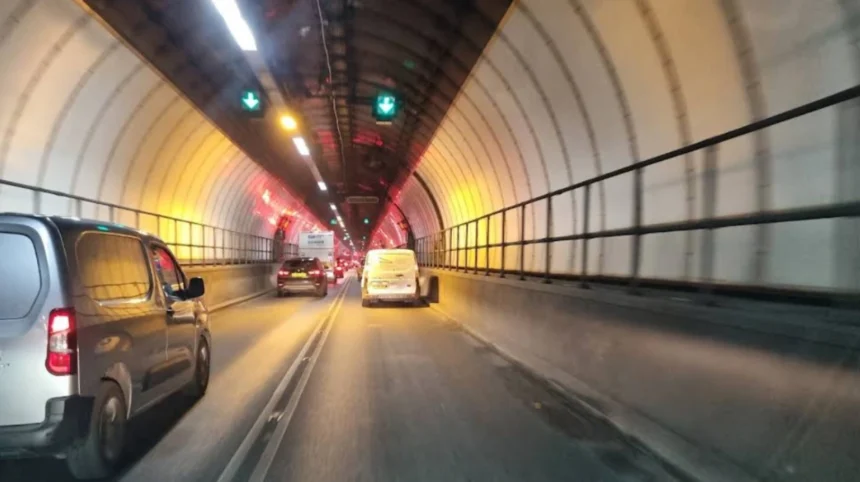
Silvertown (East London Times) August 6, 2026 – Blackwall and Silvertown Toll charges for cars using the Blackwall and Silvertown tunnels will rise from 21 September, with peak crossings set at £4.20 and off-peak journeys at £1.55, Transport for London has confirmed. The adjustment will affect daily commuters, occasional users and businesses that depend on the two river crossings to move staff and goods across east London.
- Key Points
- What are the new Blackwall and Silvertown tunnel toll rates from 21 September?
- Who will be affected by the Blackwall and Silvertown tunnel toll increase?
- How much could the new tolls add to a typical commute?
- What options do drivers have to reduce the impact of higher tunnel tolls?
- Who sets the Blackwall and Silvertown tunnel tolls and why are they used?
- What practical checks should drivers make before travelling through the tunnels?
- How have local groups and businesses responded to the toll changes?
- Background: How did the Blackwall and Silvertown tunnel tolling arrangements develop?
- Prediction: How might the September toll rise affect east London commuters and businesses?
What are the new Blackwall and Silvertown tunnel toll rates from 21 September?
From 21 September, drivers crossing the Blackwall and Silvertown tunnels in a car will face updated charges depending on the time of day. Peak-period crossings will cost £4.20 per journey, while off-peak travel will be charged at £1.55. The change applies to both tunnels and is part of the broader tolling arrangements managed by Transport for London.
TfL has published specific information about the Blackwall and Silvertown tunnels and the tolling arrangements, including terms, payment options and any differences by vehicle class. Drivers are advised to consult TfL’s dedicated page for the Blackwall and Silvertown tunnels for the full set of rules and guidance.
Who will be affected by the Blackwall and Silvertown tunnel toll increase?
Anyone driving a car through either tunnel will face the updated charges during the relevant timebands. Daily commuters who make return trips during peak times will see the largest impact. For example, a five-day working week of two-way peak journeys would cost approximately £42.00, rising to roughly £168.00 over a 20-day month in tolls alone.
Off-peak users will pay less at £1.55 per crossing, meaning the timing of journeys can substantially change weekly and monthly outlay. Those making a mix of peak and off-peak trips will see a blended effect on their bills. Businesses that operate fleets should review fuel and travel budgets in light of the new rates.
How much could the new tolls add to a typical commute?
For a commuter driving a car through either tunnel twice a day during peak hours, the cost difference can add up quickly. A single return trip at the peak rate of £4.20 per crossing totals £8.40 per day. Over a five-day week, that equates to £42.00, and over a standard 20-working-day month, approximately £168.00 in tolls alone.
By contrast, off-peak users paying £1.55 per crossing would spend £3.10 per day on a return journey, £15.50 per week and £62.00 per month. Mixed peak and off-peak travel will produce a middle-ground total, depending on the proportion of journeys in each band.
What options do drivers have to reduce the impact of higher tunnel tolls?
There are several practical steps drivers and employers can consider to reduce the effect of the toll rise. Altering travel times where possible can help; if journeys can be scheduled outside the peak charging windows, the lower off-peak rate can reduce costs.
Car sharing and pooled travel can also spread the cost per passenger and reduce the number of paid crossings. Sharing journeys with colleagues or neighbours means fewer vehicles pay the toll, lowering the overall expense for each individual.
Evaluating public transport alternatives is another option. In many parts of east London there are river buses, DLR and Underground services that provide reliable cross-Thames journeys. Switching some trips to public transport could offset the additional road cost and, for some commuters, be faster or less stressful. Drivers should check TfL services and timetables for the best options.
For short journeys, active travel such as walking or cycling can replace local crossings where feasible, delivering health and environmental benefits as well as cost savings.
Commuters who travel for essential reasons and those transporting goods should run a short cost-benefit appraisal of alternative routes and modes. For many businesses, small changes in routing or timing can reduce the total exposure to tolls across a fleet.
Explore More Local East London News
Flats Evacuated as Fire Breaks Out at Shop on Hackney Road, Shoreditch 2026
A1261 Aspen Way crash closes Canary Wharf route, Poplar 2026
Who sets the Blackwall and Silvertown tunnel tolls and why are they used?
Transport for London is responsible for operating the crossings and administering the tolling system. TfL has previously explained that tolling is used as a mechanism to manage demand on river crossings and to help support the financing and operation of the infrastructure.
For the authoritative explanation and the latest regulatory and operational documents, drivers and businesses should consult TfL’s pages on the tunnels. These set out the rationale for tolling, the structure of charges and any exemptions or concessions that may apply.
What practical checks should drivers make before travelling through the tunnels?
Drivers should confirm whether their vehicle class or exemption status is recognised under the new tolling rules on TfL’s official pages. Different vehicle types may be subject to different charges or discounts, and some users may qualify for exemptions.
It is also important to check payment windows and methods so drivers are not charged an administrative penalty for late payment or incorrect processing. TfL sets out acceptable payment channels and deadlines, and failure to comply can result in additional fees.
If a journey is part of a business trip, employers and employees should ensure mileage claims and company travel policies are updated to reflect the new tolls. Accurate recording of toll payments can help with reimbursement and budgeting.
How have local groups and businesses responded to the toll changes?
The introduction or increase of tolls often draws mixed reactions. Some motorists and local businesses express concern about added costs and possible diversion of traffic to alternative routes, which could affect local roads and congestion.
Others point to the role of tolling in managing congestion and funding necessary infrastructure. Local authorities, resident groups and business representatives typically continue to monitor the impacts and may seek further engagement with TfL over mitigation measures or exemptions.
Background: How did the Blackwall and Silvertown tunnel tolling arrangements develop?
The Blackwall Tunnel, opened in the late 19th century, has long served as a key road link under the Thames in east London. In recent years, plans for a new Silvertown Tunnel were developed to provide additional capacity and improve resilience on the river crossing network. The Silvertown Tunnel project was advanced by the Mayor of London’s office and TfL, with objectives including reduced congestion, improved journey reliability and support for economic activity in east London.
Tolling was integrated into the operational model for the crossings as a demand-management tool and a source of revenue to help finance and maintain the infrastructure. TfL has published background on the Silvertown Tunnel project and its objectives on the Mayor of London’s project pages, outlining the policy case for tolling and the expected benefits for the wider transport network.
Prediction: How might the September toll rise affect east London commuters and businesses?
For east London commuters who rely on the Blackwall and Silvertown tunnels, the September toll rise is likely to increase household travel costs and prompt changes in behaviour. Regular peak-time drivers may shift some journeys to off-peak hours, explore car-sharing arrangements or trial public transport options where available. For those with limited alternatives, the higher tolls will simply raise the cost of getting to work, potentially squeezing disposable income.
Businesses that depend on the tunnels for deliveries, site visits or staff travel may see operating costs rise, particularly for firms with fleets making frequent crossings. Some employers may respond by adjusting travel policies, encouraging remote working on certain days or renegotiating routes to minimise toll exposure. Over time, the toll increase could accelerate a shift toward multimodal travel patterns in east London, with greater use of river buses, DLR and Underground services for cross-Thames journeys, especially where these options are faster or more reliable than driving through congested tunnels.