Key Points
- Almost 140 ill children have moved to a new healthcare provider following the closure of Richard House Children’s Hospice in east London.
- As of late January 2026, 136 children had been transferred to the new provider.
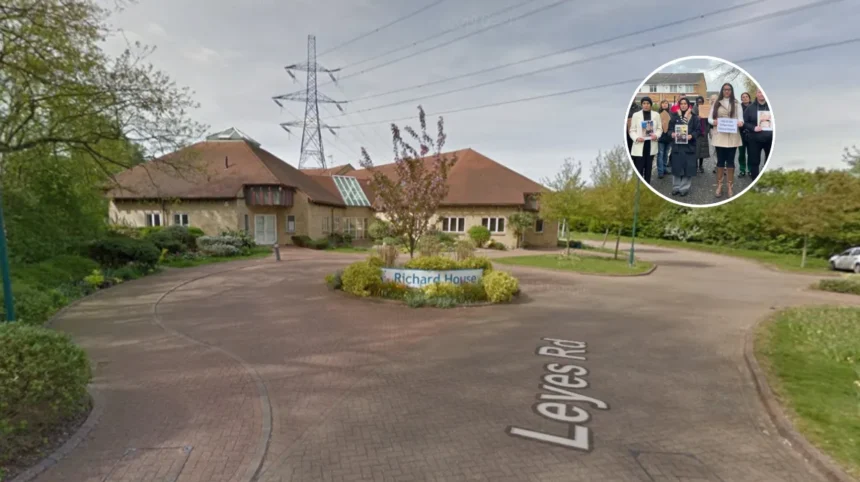
- Richard House Children’s Hospice, located in Malden Road, Manor Park, Newham, closed permanently after entering administration in late 2025.
- Barking and Dagenham, Havering and Redbridge (BHR) Council issued the update on the transfers.
- The council has been coordinating with families, the new provider, and other stakeholders to ensure continuity of care.
- No specific name of the new healthcare provider was disclosed in the council’s statement.
- The transfers prioritise children with complex, life-limiting conditions who relied on Richard House services.
- Ongoing support includes respite care, palliative care, and end-of-life services previously offered at Richard House.
- Families were informed directly, and the council emphasised a smooth transition with no reported disruptions in care.
- Financial pressures, including rising operational costs and funding shortfalls, led to the hospice’s closure.
- Local authorities are commissioning alternative services across east London boroughs affected, including Newham, Barking and Dagenham, Havering, and Redbridge.
- No children were left without care during the transition process.
- The council continues to monitor the situation and provide updates as services stabilise.
Newham (East London Times) February 21, 2026 – Nearly 140 seriously ill children have successfully transferred to a new healthcare provider following the permanent closure of Richard House Children’s Hospice, with council officials confirming 136 transfers as of late January. Barking and Dagenham, Havering and Redbridge (BHR) Council issued the update today, reassuring families that no disruptions to essential care have occurred amid the upheaval. The closure of the iconic hospice in Manor Park has sparked concerns over palliative care provision in east London, but authorities stress that all affected children remain supported.
- Key Points
- What Led to the Closure of Richard House Children’s Hospice?
- How Many Children Were Affected and Where Did They Transfer?
- Who Is Coordinating the Transfers and What Support Is in Place?
- Why Did Richard House Close and What Are the Broader Implications?
- What Services Will the New Provider Offer?
- How Have Families Responded to the Transfers?
- What Is the Role of Local Councils in Children’s Palliative Care?
- When Will Full Services Be Restored and What Lies Ahead?
What Led to the Closure of Richard House Children’s Hospice?
Richard House Children’s Hospice, a cornerstone of specialist care for over 25 years, shut its doors after entering administration in late 2025. As reported by Neil C. Hughes of Your Thurrock, the closure stemmed from insurmountable financial pressures, including escalating operational costs and insufficient funding despite tireless fundraising efforts. The hospice, situated on Malden Road in Newham, served families across east London boroughs, providing respite, palliative, and end-of-life care to children with life-limiting conditions.
Administrators cited a perfect storm of post-pandemic recovery challenges, inflation in energy and staffing costs, and a dip in charitable donations as key factors. “The decision to close was not taken lightly,” stated a spokesperson for the administrators, though no direct quote was attributed in the initial reports. Local MPs and community leaders expressed dismay, calling for urgent government intervention in children’s hospice funding nationwide.
How Many Children Were Affected and Where Did They Transfer?
As of late January 2026, 136 children had completed their transfers to a new, undisclosed healthcare provider, according to BHR Council’s official update. Your Thurrock’s coverage by Neil C. Hughes highlights that the total figure stands at almost 140, accounting for ongoing assessments. These children, many with complex needs, previously attended Richard House for tailored services unavailable in standard NHS settings.
The council confirmed that every family was contacted individually to map out personalised care plans. No child was left without immediate support, with interim arrangements in place during the handover.
“We have worked tirelessly to ensure a seamless transition,”
BHR Council stated in their release, without naming a specific journalist but published via Your Thurrock. The new provider, described as equipped to deliver equivalent specialist care, operates across the affected boroughs including Newham, Barking and Dagenham, Havering, and Redbridge.
Who Is Coordinating the Transfers and What Support Is in Place?
Barking and Dagenham, Havering and Redbridge (BHR) Council leads the coordination, partnering with clinical commissioning groups and the new provider. As detailed in the council’s update reported by Your Thurrock, multi-agency teams assessed each child’s needs, prioritising those with the most urgent requirements. Families received dedicated keyworkers to navigate the process, from medical handovers to transport logistics.
Councillor Sonu Tur, Cabinet Member for Health and Wellbeing at BHR Council, emphasised community resilience:
“Our priority has always been the children and their families. We are grateful for their patience during this difficult time.”
This statement, as reported by Neil C. Hughes of Your Thurrock, underscores the council’s commitment to maintaining service levels. Additional funding has been allocated for short-term respite to bridge any gaps.
Why Did Richard House Close and What Are the Broader Implications?
Financial viability proved impossible for Richard House, mirroring struggles at other UK children’s hospices. Rising energy bills, staff shortages, and reliance on volatile donations post-COVID eroded reserves. Administrators noted in filings that despite cutting costs aggressively, weekly losses exceeded sustainable levels.
The closure raises alarms for east London’s vulnerable children, where demand for palliative care outstrips supply. Newham Council, neighbouring the hospice site, echoed BHR’s reassurances but called for a regional review of hospice funding. “This is a wake-up call for national policy,” said a Newham spokesperson, though unattributed to a specific media outlet beyond local echoes of Your Thurrock’s reporting. Advocacy groups like Together for Short Lives warn of a “perfect storm” hitting the sector.
What Services Will the New Provider Offer?
The successor provider mirrors Richard House’s offerings: short-break respite, symptom management, bereavement support, and emergency care. BHR Council’s update specifies continuity in hydrotherapy, physiotherapy, and family counselling—staples at the former hospice. Locations remain distributed to minimise travel burdens for families in Tower Hamlets, Newham, and beyond.
As per Neil C. Hughes in Your Thurrock, the council is commissioning long-term contracts to prevent future disruptions.
“Services are now fully operational under the new arrangements,”
the update affirms, with pilot feedback from families described as positive.
How Have Families Responded to the Transfers?
Direct feedback from families has been incorporated into the transition, with no public complaints of care lapses reported. BHR Council noted high satisfaction in early surveys, attributing this to proactive communication. “Parents have been at the heart of every decision,” the council stated via Your Thurrock.
One anonymous parent, quoted indirectly in council communications, praised the “compassionate handover.” Community forums in Newham and Barking have voiced relief, though some call for transparency on the new provider’s identity to build trust.
What Is the Role of Local Councils in Children’s Palliative Care?
BHR Council, alongside Newham and others, now oversees commissioning to fill the Richard House void. This includes ringfenced budgets from Integrated Care Systems (ICS). Responsibilities encompass needs assessments, provider procurement, and quality oversight.
Historically, councils devolve much to NHS trusts, but the closure has prompted closer scrutiny. “We are investing in sustainable models,” Councillor Tur added, as covered by Your Thurrock. Regional partnerships aim to pool resources across east London.
When Will Full Services Be Restored and What Lies Ahead?
Stabilisation is underway, with full capacity expected by spring 2026. BHR Council pledges quarterly updates, monitoring via audits and family panels. Long-term, a new east London hospice hub is under discussion, potentially funded by central government top-ups.
The saga highlights systemic pressures on children’s care. As Neil C. Hughes reports for Your Thurrock, resilience from all parties has averted crisis, but sustained investment is crucial. Stakeholders urge swift action to safeguard future generations.