
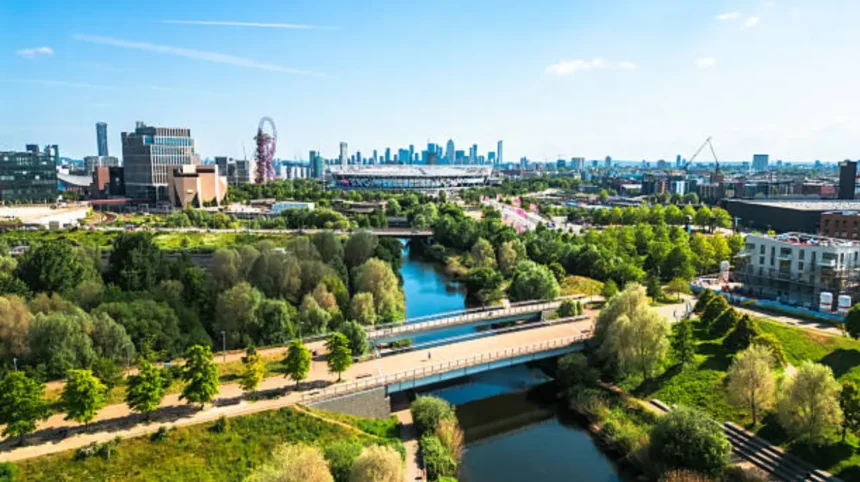
East London has long been a place defined by change. From its docklands heritage and industrial backbone to its modern identity as a hub of culture, enterprise, and diversity, the area continues to reinvent itself at pace. Yet behind the new homes, transport links, and skyline-defining developments lies a discipline that rarely takes centre stage: civil engineering construction. It is this sector that quietly underpins East London’s growth, shaping not just how the area looks, but how it functions, adapts, and thrives.
Today, civil engineering in East London is undergoing a significant shift. No longer is the goal simply to build quickly or at scale. Instead, the focus has turned toward building responsibly—creating infrastructure that is sustainable, resilient, and rooted in the needs of local communities. For residents across boroughs such as Newham, Tower Hamlets, and Barking and Dagenham, these changes are becoming increasingly visible in everyday life.
One of the most important developments in recent years has been the growing emphasis on sustainability. Construction has historically been one of the largest contributors to carbon emissions, but engineers and developers are now under pressure to reduce their environmental footprint. In East London, this has translated into the widespread adoption of greener building practices. New developments are incorporating recycled materials, low-carbon concrete, and energy-efficient designs that reduce long-term environmental impact.
Green roofs and urban greening initiatives are also becoming a familiar sight. These features do more than improve aesthetics—they help regulate building temperatures, support biodiversity, and reduce the urban heat island effect, which is particularly relevant in densely populated areas. For residents, this means not only more attractive surroundings but also improved air quality and lower energy bills.
Alongside environmental concerns, transport infrastructure remains a cornerstone of civil engineering in East London. The region’s rapid growth has placed increasing pressure on its transport networks, making efficient connectivity more important than ever. Projects aimed at improving rail services, expanding cycling infrastructure, and redesigning road systems are helping to create a more integrated and accessible transport landscape.
The shift toward active travel is especially notable. Safer cycling lanes and pedestrian-friendly streets are encouraging residents to move away from car dependency. This not only reduces congestion but also contributes to healthier lifestyles and cleaner air. For many East Londoners, particularly younger generations, these changes reflect a broader cultural shift toward sustainability and wellbeing.
Flood resilience is another critical issue shaping construction priorities. Much of East London lies in low-lying areas near the River Thames, making it particularly vulnerable to flooding. Climate change has increased the frequency of extreme weather events, placing additional strain on existing infrastructure. In response, civil engineers are implementing advanced flood defence systems and rethinking how water is managed across urban environments.
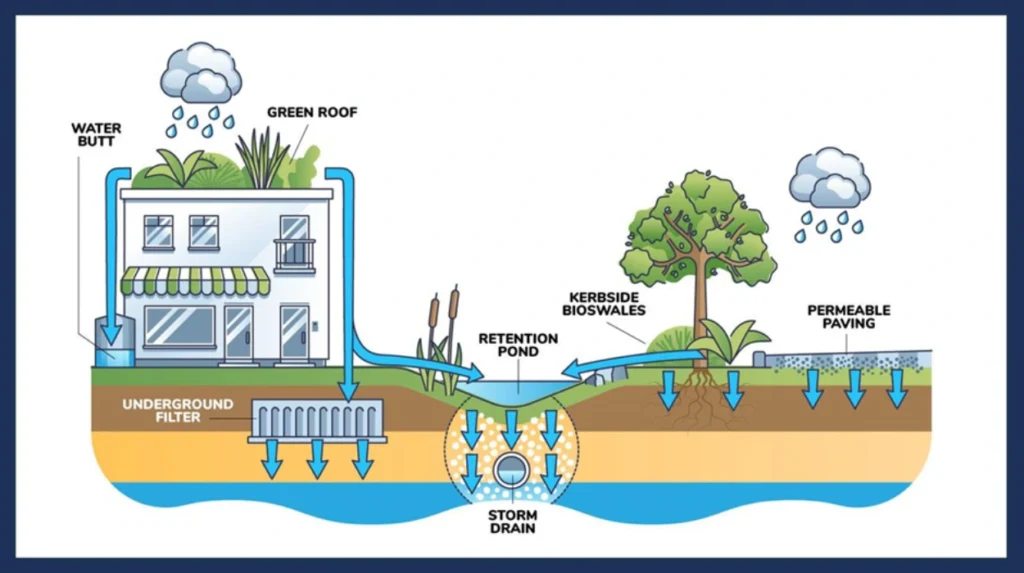
Sustainable urban drainage systems, commonly known as SuDS, are playing a key role in this effort. By allowing rainwater to be absorbed naturally into the ground rather than overwhelming drainage networks, these systems help reduce flood risk while also improving water quality. Features such as permeable pavements, rain gardens, and retention basins are increasingly being integrated into new developments, demonstrating how engineering solutions can work in harmony with natural processes.
While large-scale infrastructure projects often capture public attention, smaller, community-focused initiatives are equally important. There is a growing recognition that construction should not disrupt communities but enhance them. This has led to more inclusive planning processes, where residents are consulted and their input considered from the outset.
Public spaces are a particular area of focus. Well-designed parks, plazas, and communal areas can transform neighbourhoods, providing places for people to gather, relax, and connect. In East London, where space can be limited, the thoughtful integration of such areas into construction projects is making a tangible difference to quality of life.
Affordability, however, remains a pressing concern. As new developments continue to reshape the area, there is an ongoing debate about how to balance growth with inclusivity. Civil engineering construction plays a role here too, as efficient design and innovative building techniques can help reduce costs and support the delivery of affordable housing. Modular construction, for example, is gaining traction as a faster and more cost-effective way to build homes without compromising on quality.
The sector also faces challenges that cannot be ignored. Rising material costs, supply chain disruptions, and a shortage of skilled labour have created uncertainty in recent years. For East London, where demand for new infrastructure remains high, these pressures are particularly acute. Addressing them will require continued investment in training and education, ensuring that the next generation of engineers and construction professionals is equipped to meet future demands.
Technology is expected to play an increasingly important role in overcoming these challenges. Digital tools such as Building Information Modelling (BIM), drones, and data-driven planning systems are transforming how projects are designed and delivered. These innovations improve efficiency, reduce waste, and enhance safety, ultimately leading to better outcomes for both developers and communities.
Importantly, East London is well-positioned to benefit from these advancements. Its reputation as a centre for innovation and creativity extends into the construction sector, where new ideas and approaches are being tested and refined. This spirit of innovation is essential as the region continues to adapt to changing economic, environmental, and social conditions.
Looking ahead, the future of civil engineering construction in East London will be defined by its ability to balance competing priorities. Growth must be managed in a way that protects the environment, supports local communities, and delivers long-term value. This is no small task, but it is one that the sector is increasingly prepared to tackle. For residents, the impact of these efforts is both immediate and long-lasting. From smoother commutes and reduced flood risks to greener neighbourhoods and better public spaces, civil engineering construction shapes the fabric of daily life in ways that are often overlooked but deeply felt.
Ultimately, building East London’s future is about more than infrastructure. It is about creating a place where people can live, work, and thrive. Through smarter design, sustainable practices, and a commitment to community, civil engineering is helping to ensure that East London remains not just a place of change, but a place of opportunity for generations to come.