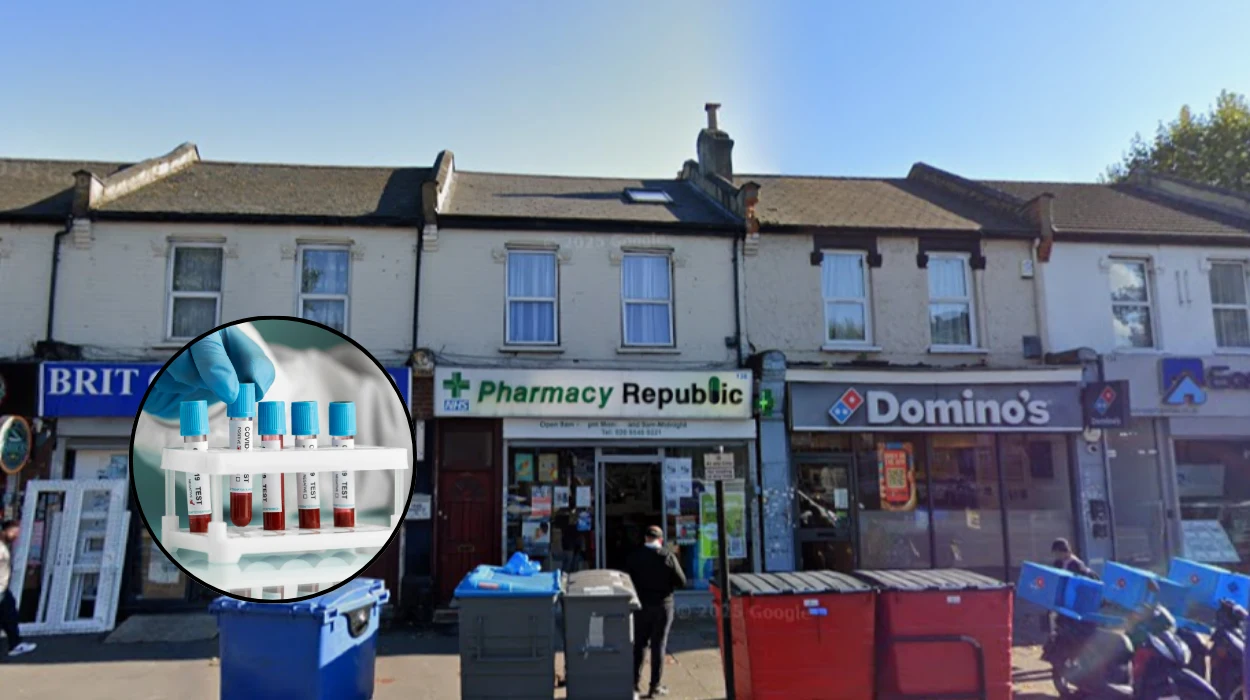
Key Points
- A rapid 7-minute finger-prick cholesterol test is expanding to 70 additional pharmacies across east London.
- The initiative, run by St Bartholomew’s Hospital, was previously trialled in 13 pharmacies last year.
- Over 1,000 cholesterol tests have been completed so far, identifying 163 patients at high risk of heart attack or stroke.
- Of those high-risk patients, 50 have started cholesterol-lowering therapies directly through pharmacies, bypassing GPs.
- The scheme promotes healthy lifestyles via nutritious diet, regular exercise, and smoking cessation advice.
- It targets health inequalities in socially deprived areas, leveraging community pharmacies for accessibility.
- The project aims to ease pressure on GPs by shifting some responsibilities to pharmacies.
- Clinical lead Sotiris Antoniou highlighted that preventing heart disease is more affordable than treating it.
- Success could lead to a national rollout across the UK.
East London (East London Times) January 10, 2026 – A groundbreaking 7-minute finger-prick cholesterol test is set to expand to 70 more pharmacies in east London, building on a successful pilot that has already flagged high risks of heart attacks and strokes in hundreds of patients.
- Key Points
- What Is the 7-Minute Cholesterol Test and How Does It Work?
- Which Areas in East London Will Benefit from the Expansion?
- How Has the Pilot Scheme Performed So Far?
- What Do Experts Say About Preventing Heart Disease?
- Why Target Health Inequalities in Deprived Areas?
- How Will This Ease Pressure on GPs?
- What Lifestyle Changes Does the Scheme Promote?
- Who Is Behind the Expansion at St Bartholomew’s Hospital?
- What Are the Prospects for a National Rollout?
- How Does This Fit into Broader NHS Strategies?
- What Challenges Might the Expansion Face?
- Who Can Access the Cholesterol Tests?
- What Results Have Been Seen in High-Risk Patients?
The expansion follows a trial at 13 pharmacies last year, managed by St Bartholomew’s Hospital, which completed over 1,000 tests and enabled early interventions for at-risk individuals. This initiative not only identifies early signs of cardiovascular disease but also connects patients to treatments and lifestyle advice without immediate GP referrals, addressing key public health challenges in the region.
What Is the 7-Minute Cholesterol Test and How Does It Work?
The finger-prick blood test delivers cholesterol results in just seven minutes, spotting elevated levels that signal potential cardiovascular risks over the next decade. As reported by the BBC, this rapid diagnostic tool has proven effective in the initial phase, with pharmacies serving as frontline hubs for screening.
St Bartholomew’s Hospital oversees the project, ensuring clinical standards while empowering pharmacists to interpret results and initiate therapies. Patients receive immediate feedback, including advice on diet, exercise, and quitting smoking, fostering proactive health management.
Which Areas in East London Will Benefit from the Expansion?
The rollout targets east London pharmacies, focusing on underserved communities to combat health inequalities. Community pharmacies in socially deprived areas will host the tests, making screening accessible where GP access remains strained.
Sotiris Antoniou, clinical lead of the project, told the BBC that the programme specifically zeroes in on these deprived zones, supported by the community pharmacy network. This approach bridges gaps in healthcare delivery, particularly for those at higher risk of heart disease due to socioeconomic factors.
How Has the Pilot Scheme Performed So Far?
The trial across 13 pharmacies last year amassed 1,000 cholesterol tests, revealing 163 patients with high heart attack or stroke risk. Notably, 50 of these individuals began cholesterol-lowering therapies via pharmacies, reducing reliance on overburdened GP services.
The scheme’s success underscores its potential, as reported by Pharmacy.biz in coverage of the finger-prick test’s pharmacy rollout. Early detection has allowed treatments to start sooner, preventing escalation of cardiovascular conditions.
What Do Experts Say About Preventing Heart Disease?
As reported by Sotiris Antoniou of the BBC interview, prevention of heart diseases proves more affordable than its treatment. He emphasised the cost-effectiveness of early intervention through accessible pharmacy-based screening.
Antoniou further noted to the BBC that the project promotes healthier lifestyles, including nutritious diets, regular exercise, and smoking cessation, tailored to at-risk populations. These statements highlight the dual focus on detection and behavioural change.
Why Target Health Inequalities in Deprived Areas?
The initiative deliberately addresses disparities faced by people in socially deprived areas, as outlined by clinical lead Sotiris Antoniou to the BBC. Pharmacies provide a trusted, convenient alternative to traditional healthcare pathways in these communities.
By embedding tests in local settings, the scheme overcomes barriers like transport and appointment waits, fostering equity in cardiovascular care. This aligns with broader NHS goals to reduce postcode lotteries in health outcomes.
How Will This Ease Pressure on GPs?
A core aim is to alleviate GP workloads by delegating routine screenings and initial therapies to pharmacies, according to project details reported by the BBC. With 50 patients already treated directly, the model demonstrates practical burden-sharing.
Sotiris Antoniou reinforced this to the BBC, stating that pharmacies sharing responsibilities lightens the load on general practices amid rising demand. Such delegation could free GPs for complex cases, enhancing overall system efficiency.
What Lifestyle Changes Does the Scheme Promote?
Participants receive guidance on nutritious diets rich in fruits, vegetables, and whole grains to manage cholesterol levels. Regular exercise, such as brisk walking or cycling for at least 150 minutes weekly, forms another pillar, as promoted in the programme.
Smoking cessation support is integral, with pharmacies offering advice and referrals to quit services, per BBC coverage. These interventions complement test results, empowering patients to lower risks independently.
Who Is Behind the Expansion at St Bartholomew’s Hospital?
St Bartholomew’s Hospital leads the project, having spearheaded the 13-pharmacy trial with impressive outcomes. The trust’s expertise in cardiovascular care ensures robust protocols for the 70-pharmacy scale-up.
Clinical lead Sotiris Antoniou has been vocal in media, crediting the hospital’s collaborative model, as per his BBC statements. Partnerships with local pharmacies and health authorities drive the expansion’s feasibility.
What Are the Prospects for a National Rollout?
If the expanded phase proves effective, organisers hope for nationwide implementation, mirroring successes in early detection and treatment uptake. The BBC reports this ambition, contingent on data from the 70 pharmacies.
Sotiris Antoniou indicated to the BBC that positive results could position the model for scaling across England, tackling national cardiovascular burdens. Metrics like risk identifications and therapy initiations will inform decisions.
How Does This Fit into Broader NHS Strategies?
The scheme supports NHS England’s push for community-based care, reducing hospital admissions through prevention. Pharmacy.biz highlighted its alignment with integrated care systems in east London.
By flagging 163 high-risk cases early, it exemplifies data-driven public health, as covered by the BBC. Long-term, this could lower stroke and heart attack incidences, saving NHS resources.
What Challenges Might the Expansion Face?
Scaling to 70 pharmacies demands training for additional staff on test administration and result interpretation. Ensuring consistent uptake in deprived areas remains key, per project goals.
Logistical hurdles, such as supply chain for test kits, could arise, though St Bartholomew’s oversight mitigates risks. Monitoring patient follow-through on lifestyle advice will also be crucial for sustained impact.
Who Can Access the Cholesterol Tests?
The service targets adults over 40 or those with risk factors like family history, obesity, or smoking, available free at participating pharmacies. No referral is needed, enhancing accessibility.
As per BBC reporting, walk-ins qualify, with pharmacists conducting the finger-prick and providing on-site counselling. This inclusivity drives the scheme’s equity focus.
What Results Have Been Seen in High-Risk Patients?
Among 163 high-risk individuals from 1,000 tests, 50 started statin therapies promptly via pharmacies. This swift action, noted by Pharmacy.biz, underscores the test’s value in averting crises.
Follow-up includes monitoring and lifestyle support, reducing projected cardiovascular events over the decade.
The expansion to 70 east London pharmacies marks a pivotal step in community health innovation, with St Bartholomew’s Hospital at the helm. As Sotiris Antoniou affirmed to the BBC, such programmes exemplify affordable prevention over costly cures. With 1,000 tests already yielding tangible benefits—163 risks flagged and 50 treatments underway—the scheme promises to reshape cardiovascular care locally and potentially nationally. East London residents stand to gain immediate access, easing GP strains while narrowing health divides in deprived pockets. This journalist, drawing from BBC and Pharmacy.biz accounts, observes a model poised for wider acclaim if metrics hold firm.