Key Points
- East London Waste Authority (ELWA) invites local artists, makers, and creative organisations to submit proposals for a “bold, engaging, and educational public installation”.
- The installation aims to encourage East London residents to recycle small electricals and batteries at dedicated recycling points, never in household bins.
- Lithium-ion batteries in devices like vapes, ear pods, e-scooters, and children’s toys can ignite when compacted in waste vehicles.
- Selected designer commissioned by ELWA for an eye-catching installation touring Barking & Dagenham, Havering, Newham, and Redbridge in 2026.
- Initiative partners with Recycle Your Electricals’ “Stop Battery Fires” campaign.
- Follows ELWA’s successful Battery Recycling Roadshow in February 2025, engaging over 1,000 people.
- Councillor Miraj Patel, ELWA Chair, highlights 229 fires in ELWA facilities last year (57% increase), costing millions and risking staff.
- Scott Butler of Material Focus stresses rising battery fires, air pollution, and dangers to firefighters and waste officers; urges using “recycle your electricals” search.
- Proposals via www.eastlondonwaste.gov.uk/batteries; installation must be standout, curiosity-sparking, with clear recycling message.
The East London Waste Authority (ELWA) has launched an open call for local creatives to design a striking public art installation aimed at tackling battery fires in waste systems. This bold initiative targets residents in Barking & Dagenham, Havering, Newham, and Redbridge, urging them to recycle small electricals and batteries properly rather than binning them at home. The touring installation, set for 2026, partners with the national “Stop Battery Fires” campaign.
- Key Points
- What Is the East London Waste Authority’s New Arts Initiative?
- Why Are Battery Fires a Growing Problem in East London?
- Who Is Partnering with ELWA on This Campaign?
- How Does the Successful Battery Recycling Roadshow Tie In?
- What Must the Installation Achieve?
- Who Can Apply and How?
- What Broader Impacts Do Battery Fires Have?
- Why Use Art to Change Recycling Habits?
- When and Where Will the Installation Tour?
Hidden lithium-ion batteries in everyday items like vapes, ear pods, e-scooters, and toys pose severe fire risks when crushed in collection vehicles. ELWA reports a sharp rise in incidents, with leaders calling on artists to drive behavioural change through engaging public art.
What Is the East London Waste Authority’s New Arts Initiative?
The East London Waste Authority (ELWA) is spearheading a creative call to action, inviting artists, makers, and organisations across East London to propose designs for a “bold, engaging, and educational public installation”. As detailed in ELWA’s official announcement, the project seeks eye-catching works that stand out, spark curiosity, and deliver a clear message on electrical recycling.
This commission follows the success of ELWA’s Battery Recycling Roadshow in February 2025, which drew over 1,000 interactions at busy East London venues. The new installation will tour the boroughs of Barking & Dagenham, Havering, Newham, and Redbridge throughout 2026, amplifying awareness efforts.
ELWA has joined forces with the Recycle Your Electricals campaign’s “Stop Battery Fires” drive. This partnership underscores a unified push to educate on the perils of incorrect disposal.
Why Are Battery Fires a Growing Problem in East London?
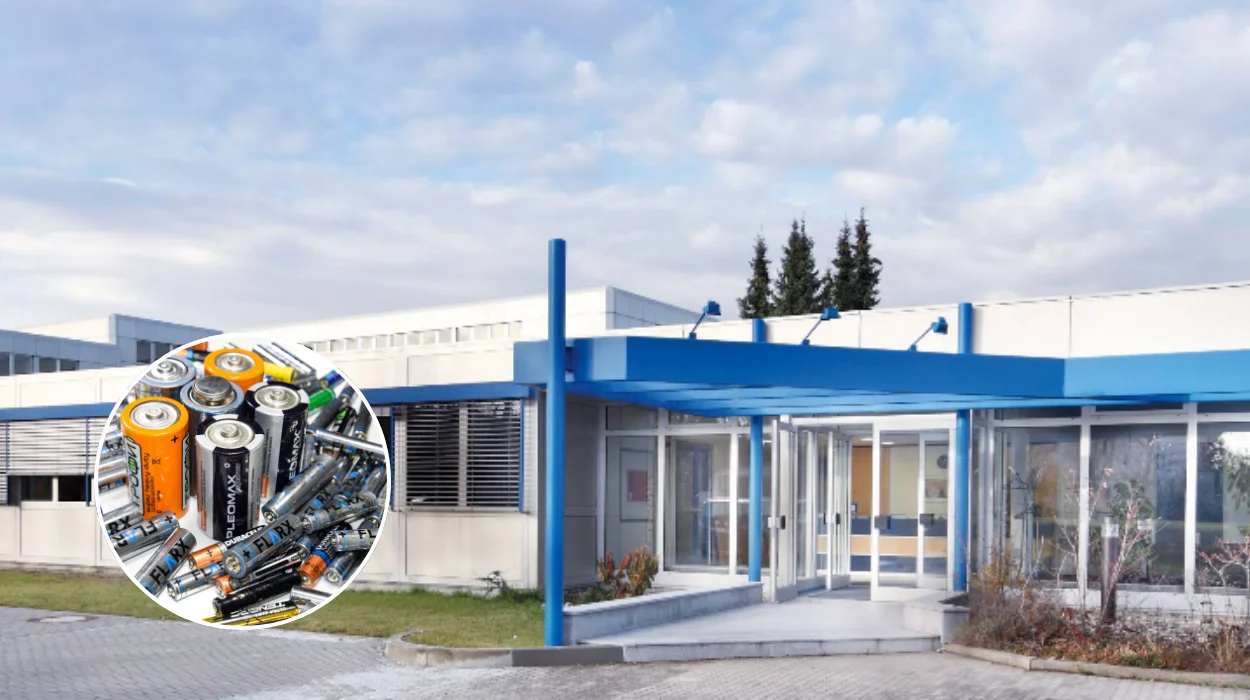
Battery fires in waste facilities represent a mounting crisis, with lithium-ion batteries concealed in small electricals igniting under compaction. These devices include vapes, ear pods, e-scooters, and children’s toys, turning routine collections into hazards.
As reported by ELWA in their press release, there were 229 fires at ELWA’s waste facilities last year—a 57% surge from the previous year. These blazes cost the waste industry millions annually while endangering frontline staff.
Councillor Miraj Patel, Chair of ELWA, stated:
“Battery fires in bin lorries and waste sites remain a challenge across all local authorities. There were 229 fires in ELWA’s waste facilities last year, a 57% increase over the previous year. These fires cost the waste industry millions of pounds each year, but also pose a significant risk to frontline staff collecting and treating waste.”
The public holds a pivotal role, emphasised Patel: Councillor Miraj Patel continued:
“The public can play a really important role in helping stamp out this issue by disposing of batteries and electrical items correctly. We want to use art to engage and shift recycling habits in communities across East London, and I’m really excited to see what our brilliant creative community can come up with.”
Who Is Partnering with ELWA on This Campaign?
ELWA’s effort aligns with broader national initiatives. Scott Butler, executive director of Material Focus—the non-profit leading the Recycle Your Electricals campaign—said:
“With more and more products containing lithium-ion batteries, and battery fires on the rise, it’s vital that we stop these fires and reduce the air pollution impact that they have on our local communities and the dangers they present to fire fighters and waste officers.”
Butler stressed accessibility: Scott Butler added:
“This project is a fantastic way to make sure that everyone knows to never bin and always recycle their electricals and their batteries. Just search recycle your electricals to find your nearest drop off point.”
Material Focus, through Recycle Your Electricals, provides a straightforward tool: residents can search “recycle your electricals” online to locate nearby drop-off points. This complements ELWA’s localised art-driven approach.
How Does the Successful Battery Recycling Roadshow Tie In?
ELWA builds on proven successes. The Battery Recycling Roadshow, held in February 2025, engaged over 1,000 people at high-traffic East London spots. This hands-on campaign demonstrated strong public interest, paving the way for the arts installation.
By leveraging interactive events, ELWA gathered insights into community recycling habits, informing the new creative brief. The roadshow’s impact highlights art’s potential to sustain momentum.
What Must the Installation Achieve?
The installation must be “bold, engaging, and educational”, per ELWA’s brief. It aims to encourage recycling of small electricals and batteries at dedicated points, explicitly warning against home bin disposal.
Designers should craft works that “stand out from the crowd, spark curiosity, and deliver a clear message about electrical recycling”. The touring format ensures broad exposure across four boroughs in 2026.
ELWA will commission the selected proposal, providing resources for realisation. This investment signals commitment to innovative waste education.
Who Can Apply and How?
Local artists, makers, and creative organisations in East London qualify. Interested parties should visit www.eastlondonwaste.gov.uk/batteries for the full brief and submission details.
The site outlines criteria, timelines, and expectations. ELWA urges prompt applications to shape this vital public awareness tool.
What Broader Impacts Do Battery Fires Have?
Beyond immediate dangers, fires generate air pollution affecting communities and heighten risks for firefighters and waste workers. As noted by Scott Butler of Material Focus, the rise in lithium-ion-equipped products exacerbates these threats.
Industry-wide, costs run into millions, straining resources. ELWA’s data—229 incidents last year—mirrors national trends, making targeted interventions essential.
Why Use Art to Change Recycling Habits?
Art offers a dynamic alternative to standard campaigns, engaging diverse audiences emotionally and visually. ELWA bets on creatives to “shift recycling habits” through memorable installations.
Councillor Miraj Patel emphasised: Excitement surrounds “what our brilliant creative community can come up with”, positioning locals as solution drivers.
This approach fosters ownership, potentially yielding lasting behavioural shifts.
When and Where Will the Installation Tour?
The commissioned piece tours Barking & Dagenham, Havering, Newham, and Redbridge in 2026. Specific venues remain TBD, maximising footfall in communal spaces.
This mobility ensures equitable reach, reinforcing ELWA’s borough-spanning mandate.