Key Points
- The Greater London Authority (GLA) has allocated £1.1 million for a contract to install a seven-metre tall slavery memorial in London’s Docklands.
- The bronze artwork, titled ‘The Wake’, was created by artist Khaleb Brooks to honour Africans trafficked during the transatlantic slave trade.
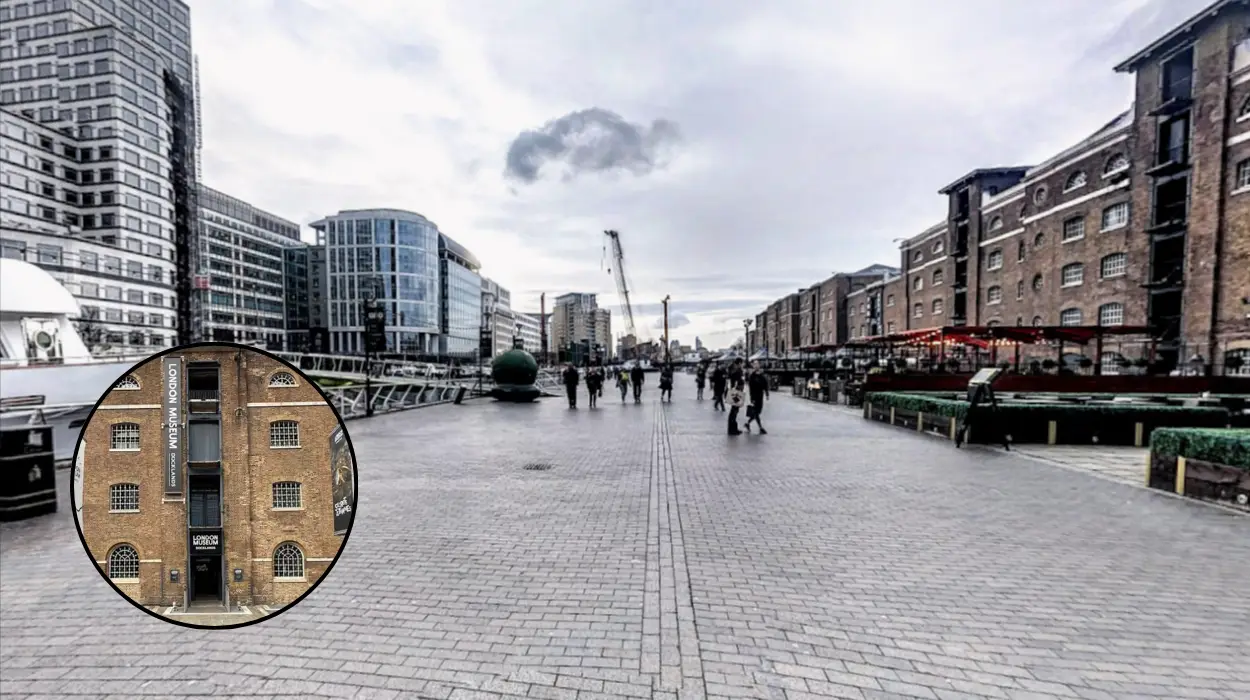
- The memorial will be located at West India Quay in East London, a historic entry point for commodities produced by enslaved people.
- Unveiling is scheduled for later this year or in 2027.
- In September, the GLA sought a fabricator for the artwork, with the contract valued at exactly £1,108,800.
- The contract was awarded to Bristol-based firm Pangolin Editions, as per official government documents.
- Pangolin Editions will fabricate the centrepiece: a large cowrie shell, symbolising both cultural and spiritual significance, as well as its historical role as currency in the slave trade for trading trafficked individuals.
- The story was first revealed by the Local Democracy Reporting Service (LDRS), with reporting attributed to journalist Kumail Jaffer.
West India Quay, East London (Local Democracy Reporting Service) January 10, 2026 – The Greater London Authority has earmarked £1.1 million for installing a seven-metre tall slavery memorial in London’s Docklands, as revealed exclusively by the Local Democracy Reporting Service. The bronze sculpture, ‘The Wake’ by artist Khaleb Brooks, will commemorate Africans trafficked in the transatlantic slave trade and stands at West India Quay, a former gateway for slave-produced commodities entering the UK. The contract, worth precisely £1,108,800, went to Bristol-based Pangolin Editions following a GLA tender announced in September.
- Key Points
- Why Is the Memorial Being Built at West India Quay?
- What Does the Cowrie Shell Represent in the Memorial?
- Who Is Artist Khaleb Brooks and What Inspired ‘The Wake’?
- How Was the £1.1 Million Contract Awarded?
- What Is the Greater London Authority’s Role in This Project?
- When Will the Memorial Be Unveiled?
- Is This Memorial a Vital Tribute or Virtue Signalling?
- How Does This Fit London’s Slavery Memorial Landscape?
- What Challenges Lie Ahead for Installation?
Why Is the Memorial Being Built at West India Quay?
West India Quay holds profound historical resonance as one of the primary UK entry points for commodities such as sugar, rum, and tobacco—goods directly produced through the labour of enslaved Africans. As reported by Kumail Jaffer of the Local Democracy Reporting Service (myLondon.news), the site’s selection underscores the direct link between London’s prosperity and the transatlantic slave trade, which transported millions from Africa to the Americas and Europe between the 16th and 19th centuries. The GLA’s decision positions the monument amid modern developments, ensuring visibility to thousands of daily visitors.
Artist Khaleb Brooks designed ‘The Wake’ to evoke awakening and remembrance, featuring a towering cowrie shell that symbolises exploitation, as cowries served as currency exchanged by slave traders for human lives. Official GLA announcements in September sought a specialist fabricator, highlighting the artwork’s scale—seven metres tall—and its bronze construction, demanding precision engineering.
What Does the Cowrie Shell Represent in the Memorial?
The cowrie shell forms the memorial’s core, embodying dual meanings of cultural reverence and brutal commodification. In many African traditions, cowries held spiritual value, used in rituals and adornments long before European contact. However, as detailed in the Local Democracy Reporting Service revelation by Kumail Jaffer, traders weaponised this symbolism, using cowries as a form of currency to purchase enslaved individuals, reducing human life to barter.
Pangolin Editions, the awarded fabricators, specialise in large-scale bronze works and will cast this intricate shell, preserving its textured details to convey both beauty and horror. Government contract documents confirm their Bristol base and the exact £1,108,800 figure, inclusive of production, transport, and installation. GLA procurement records note the tender’s emphasis on expertise in symbolic public art.
Who Is Artist Khaleb Brooks and What Inspired ‘The Wake’?
Khaleb Brooks, a British artist represented by Gazelli Art House, drew from his heritage and historical research for ‘The Wake’. His gallery profile (gazelliarthouse.com) describes his practice as exploring identity, migration, and memory through monumental forms. Brooks envisioned the work as a “wake”—a vigil for the departed—merging personal reflection with collective trauma.
As per the Local Democracy Reporting Service coverage by Kumail Jaffer, Brooks collaborated closely with GLA curators to ensure historical accuracy, incorporating survivor narratives and trade ledgers into the design. The artwork’s unveiling timeline—potentially late 2026 or 2027—aligns with ongoing Docklands regeneration, amplifying its reach.
How Was the £1.1 Million Contract Awarded?
The GLA initiated the process in September with a public tender for a fabricator capable of handling the sculpture’s scale and symbolism. Official government documents, accessed by the Local Democracy Reporting Service, list Pangolin Editions as the successful bidder from Bristol. The firm, known for commissions like Damien Hirst’s works, met stringent criteria on bronze founding and public art installation.
Kumail Jaffer of myLondon.news reported the full contract value as £1,108,800, covering fabrication of the cowrie shell and ancillary elements. No competitive bids or controversies surfaced in procurement records, with the award emphasising technical merit over cost alone.
What Is the Greater London Authority’s Role in This Project?
The GLA, overseeing City Hall initiatives under the Mayor’s office, champions public memorials addressing London’s colonial past. This project forms part of broader efforts, including consultations on slavery’s legacy post-2020 global reckonings. As revealed by Kumail Jaffer in the Local Democracy Reporting Service, funding draws from cultural budgets, positioning the memorial as educational infrastructure.
GLA statements emphasise community input, with West India Quay stakeholders endorsing the site for its trade history. Installation logistics include groundwork at the quay, managed by property owners Canary Wharf Group.
When Will the Memorial Be Unveiled?
Unveiling is targeted for later in 2026 or early 2027, pending fabrication timelines and approvals. The Local Democracy Reporting Service notes Pangolin Editions’ workload could influence this, but GLA optimism prevails. Weatherproofing and lighting will ensure year-round accessibility.
Is This Memorial a Vital Tribute or Virtue Signalling?
Debate swirls around the project’s intent and expense. Supporters, including artist Khaleb Brooks via his gallery, hail it as essential reckoning with Britain’s slave trade profits, which funded landmarks like the docks. Critics question the £1.1 million amid budget strains, labelling it performative amid pressing needs like housing.
As reported by Kumail Jaffer of the Local Democracy Reporting Service, no GLA rebuttals have emerged, but historical precedents—like Bristol’s 2020 toppled Colston statue—frame the discourse. Pangolin Editions’ involvement signals professional gravitas, yet public reaction awaits unveiling.
How Does This Fit London’s Slavery Memorial Landscape?
London hosts growing tributes, from GEDDES at University College London charting enslaved contributions to National Maritime Museum exhibits. ‘The Wake’ elevates Docklands, per Local Democracy Reporting Service details. GLA integration promises school programmes and plaques detailing trade routes.
Khaleb Brooks’ vision complements these, focusing on African agency through the cowrie’s duality. West India Quay’s footfall—millions annually—maximises impact.
What Challenges Lie Ahead for Installation?
Pangolin Editions must navigate bronze logistics to Docklands, including crane lifts for the seven-metre piece. Government documents outline safety protocols, with unveiling ceremonies likely involving dignitaries. Kumail Jaffer’s reporting flags no delays yet.
Community vandalism risks exist, as with other monuments, prompting GLA security plans.