Key Points
- Jeremy Corbyn, Independent MP for Islington North, has publicly backed the campaign to save The Moth Club, a historic music venue in Hackney, London.
- The venue faces closure due to a proposed residential development next door, which the club claims would generate noise complaints preventing its operation as a music and nightlife space.
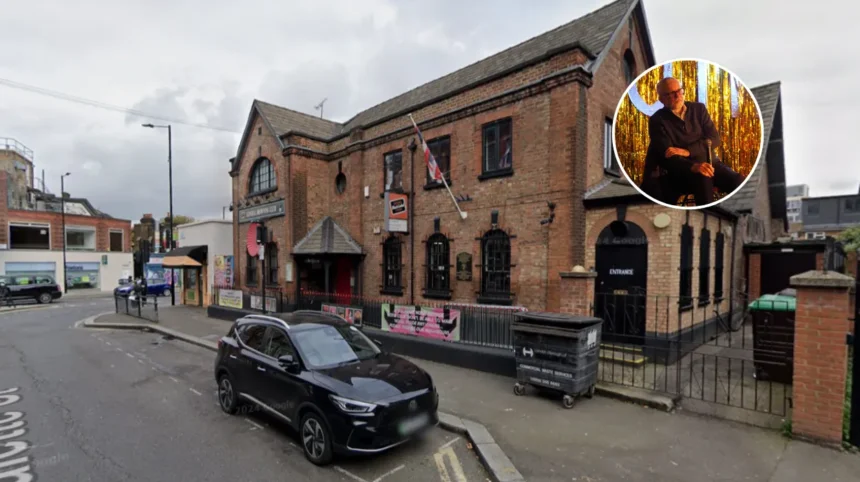
- The Moth Club, originally opened in 1972 as a servicemen’s club, began operating as a live music venue in 2015 and can accommodate around 300 spectators.
- It has hosted hundreds of world-renowned artists, including Lady Gaga and Dave Grohl.
- The campaign has garnered support from more than 30,000 people via a Change.org petition and over 100 artists.
- Supporting artists include Alexis Taylor from Hot Chip and punk rockers Amyl and the Sniffers.
- Corbyn spoke at the venue during an event organised by the Music For The Many campaign in collaboration with the Peace and Justice project.
- Corbyn warned that failing to defend live music venues risks the UK losing “a whole the next generation of musicians.”
- The Moth Club has called on local residents, fans, and artists to join the battle against the development.
Hackney (East London Times) February 19, 2026 – Jeremy Corbyn has thrown his weight behind a desperate campaign to save The Moth Club, an iconic Hackney music venue under threat from a neighbouring residential development that could silence its live performances forever.
- Key Points
- What is The Moth Club and Why is it Iconic?
- Why is The Moth Club Facing Closure?
- Who is Supporting the Campaign to Save The Moth Club?
- What Did Jeremy Corbyn Say About The Moth Club?
- How Has the Campaign Gained Momentum?
- What Are the Broader Implications for London’s Music Scene?
- Who Are the Key Players in This Dispute?
- What Happens Next in the Battle for The Moth Club?
- Why Should Local Residents Get Involved?
- How Does This Fit Into National Trends on Venue Closures?
- Historical Context of The Moth Club
- Voices from the Music Community
- Potential Solutions to the Development Threat
- Impact on Hackney’s Nightlife Economy
The former Labour leader and current Independent MP for Islington North spoke directly to the venue’s plight during a recent event, emphasising the cultural stakes involved. As reported in The Independent, Mr Corbyn told the publication:
“If we don’t defend live music venues and keep them and make sure we can develop them, then we lose out on a whole the next generation of musicians.”
The Moth Club, a 300-capacity space in Hackney’s vibrant nightlife scene, has become a battleground between cultural preservation and urban development pressures.
What is The Moth Club and Why is it Iconic?
The Moth Club opened its doors in 1972 as a servicemen’s club before transforming into a live music venue in 2015. Nestled in Hackney, it has since hosted hundreds of world-renowned artists, cementing its status as a cornerstone of London’s grassroots music scene. Performers such as Lady Gaga in her early days and Foo Fighters frontman Dave Grohl have graced its stage, drawing crowds of around 300 patrons who pack the intimate space for unforgettable nights.
According to coverage in The Independent, the venue’s role in nurturing emerging talent underscores its irreplaceable value. Local residents and music lovers alike view it as more than just a nightclub—it’s a launchpad for the next wave of British musical talent.
Why is The Moth Club Facing Closure?
The venue is locked in a fight against a proposed development immediately adjacent to its location. The Moth Club claims that the new residential buildings would lead to inevitable noise complaints from future occupants, rendering it impossible to continue operating as a music and nightlife hub. This development, detailed in reports from The Independent, represents a classic clash between London’s booming housing needs and its cherished cultural institutions.
The club has mobilised a robust defence, urging local residents, fans, and artists to rally in opposition. Without intervention, the planning application could spell the end for this historic site.
Who is Supporting the Campaign to Save The Moth Club?
Support has surged, with a Change.org petition amassing signatures from more than 30,000 people and endorsements from over 100 artists. Notable backers include Alexis Taylor of Hot Chip, known for his indie electronica work, and the punk rock outfit Amyl and the Sniffers, whose raw energy has electrified stages worldwide.
Jeremy Corbyn’s involvement adds significant political heft. The Islington North MP appeared at the venue for an event hosted by the Music For The Many campaign, partnering with the Peace and Justice project. His presence highlights broader concerns about the erosion of live music spaces across the UK.
What Did Jeremy Corbyn Say About The Moth Club?
Independent MP Mr Corbyn addressed The Independent directly on the issue.
“If we don’t defend live music venues and keep them and make sure we can develop them, then we lose out on a whole the next generation of musicians,”
he stated, capturing the venue’s existential threat.
Corbyn’s words resonate amid a national conversation on venue closures, positioning The Moth Club as a symbol of wider struggles faced by the industry.
How Has the Campaign Gained Momentum?
The Moth Club’s plea for solidarity has struck a chord. Beyond the petition’s 30,000-plus signatories, the venue has leveraged social media and public events to amplify its voice. Artists like Alexis Taylor from Hot Chip and members of Amyl and the Sniffers have lent their names, while Corbyn’s speech drew local media attention.
As reported by The Independent, the campaign frames the development as a direct assault on Hackney’s nightlife heritage, calling for community action to influence Hackney Council and developers.
What Are the Broader Implications for London’s Music Scene?
London’s live music venues have faced relentless pressure from gentrification and housing demands. The Moth Club’s predicament mirrors closures elsewhere in the capital, where noise abatement concerns often triumph over cultural assets. Corbyn’s warning about losing the “next generation of musicians” echoes industry reports on dwindling grassroots spaces.
Hackney, long a hub for alternative music, risks losing a vital piece of its identity if the development proceeds unchecked.
Who Are the Key Players in This Dispute?
- The Moth Club management: Leading the charge, they have outlined how residential proximity would doom nightlife operations.
- Jeremy Corbyn: Independent MP providing vocal political support.
- Artists: Over 100, including Alexis Taylor (Hot Chip) and Amyl and the Sniffers.
- Campaign groups: Music For The Many and Peace and Justice project, hosting events at the venue.
- Developers and Hackney Council: Yet to issue detailed public responses in available coverage, though planning processes are underway.
Neutral observers note that balancing housing with culture remains a perennial challenge for local authorities.
What Happens Next in the Battle for The Moth Club?
The campaign hinges on public pressure and planning appeals. With over 30,000 petition supporters, the venue hopes to sway decision-makers. Corbyn’s endorsement could mobilise further political allies, while artist backing keeps the story in the spotlight.
The Independent’s coverage suggests ongoing developments, with the club actively seeking more voices to join the fray.
Why Should Local Residents Get Involved?
The Moth Club explicitly calls on Hackney residents to stand with them. As a community asset since 1972, it fosters local talent and economy-boosting events. Noise concerns from new flats aside, supporters argue that adaptive measures—like soundproofing—could preserve both housing and music.
Engagement via the Change.org petition or public consultations offers residents a direct stake.
How Does This Fit Into National Trends on Venue Closures?
Jeremy Corbyn’s intervention spotlights a UK-wide crisis. Grassroots venues have shuttered at alarming rates, prompting government inquiries into live music viability. The Moth Club’s fight, as covered by The Independent, exemplifies how local battles reflect systemic issues like rising rents and planning biases favouring residential builds.
Music advocates warn that without safeguards, cities like London could stifle future stars before they shine.
Historical Context of The Moth Club
Originally a servicemen’s club in 1972, the site’s evolution to a 2015 music venue underscores Hackney’s post-industrial reinvention. Hosting Lady Gaga pre-fame and Dave Grohl highlights its pedigree. This legacy, per The Independent, fuels the save-our-venue urgency.
Preserving such spaces honours decades of cultural contribution.
Voices from the Music Community
Alexis Taylor of Hot Chip represents the indie contingent backing the club. Amyl and the Sniffers, punk trailblazers, add grit to the coalition. Their support, alongside 100 others, signals industry solidarity.
Corbyn’s event with Music For The Many amplified these voices on-site.
Potential Solutions to the Development Threat
Campaigners propose mitigation like enhanced insulation or staggered operating hours. The petition demands Hackney Council reject or amend the planning application. Corbyn advocates “developing” venues sustainably, implying policy support for coexistence.
Dialogue between stakeholders remains key.
Impact on Hackney’s Nightlife Economy
The 300-capacity spot sustains jobs, tourism, and local trade. Closure would ripple through suppliers and nearby businesses. As The Independent notes, venues like The Moth Club underpin Hackney’s global nightlife reputation.