Key Points
- Jeremy Corbyn, Independent MP for Islington North, has publicly backed a campaign to save the historic Moth Club music venue in Hackney, east London.
- The venue faces closure due to a proposed residential development next door, which the Moth Club claims would generate noise complaints and prevent it from operating as a music and nightlife space.
- The Moth Club, originally opened in 1972 as a servicemen’s club, has operated as a live music venue since 2015 and can accommodate around 300 spectators.
- It has hosted hundreds of world-renowned artists, including Lady Gaga and Dave Grohl.
- The campaign has garnered support from more than 30,000 people via a Change.org petition and over 100 artists.
- Supporting artists include Alexis Taylor from Hot Chip and punk rockers Amyl and the Sniffers.
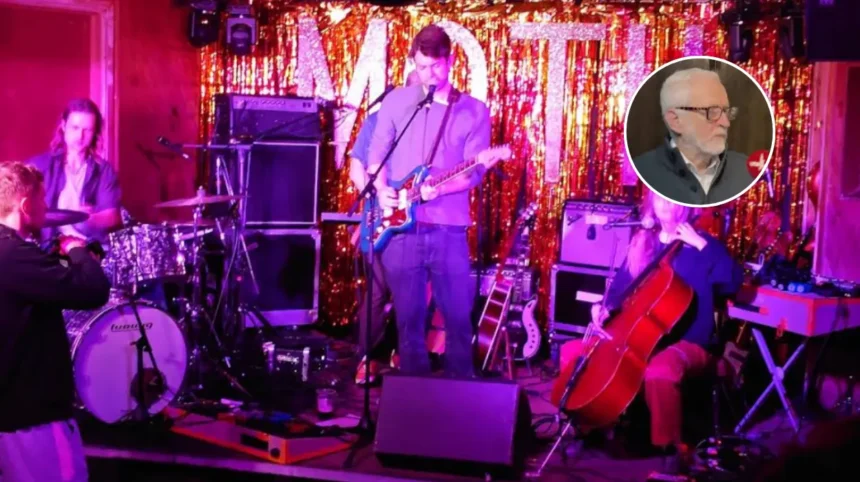
- Corbyn spoke at the venue during an event organised by the Music For The Many campaign, in collaboration with the Peace and Justice project.
- Corbyn warned to The Independent: “If we don’t defend live music venues and keep them and make sure we can develop them, then we lose out on a whole the next generation of musicians.”
- The Moth Club has called on local residents, fans, and artists to join the battle against the development.
Hackney (East London Times) February 20, 2026 – Jeremy Corbyn has thrown his weight behind a grassroots campaign to save the Moth Club, an iconic music venue in Hackney, from a neighbouring residential development that threatens its future as a live music hub. The Independent MP for Islington North spoke at the venue on Thursday evening as part of the Music For The Many campaign, warning that failure to protect such spaces risks depriving the UK of the next generation of musicians. The venue, a cultural staple since converting from a servicemen’s club in 2015, has already rallied over 30,000 petition signatories and endorsements from more than 100 artists amid fears that new flats next door will spark noise complaints leading to closure.
- Key Points
- Who is Jeremy Corbyn and Why Did He Back the Moth Club?
- What is the Moth Club and Its Historical Significance?
- Why is the Moth Club Facing Closure?
- How Has the Campaign Gained Momentum?
- Which Artists Have Supported the Moth Club?
- What Did Jeremy Corbyn Say Exactly?
- What is the Proposed Development Next Door?
- Who Organised the Event Where Corbyn Spoke?
- What Happens Next in the Campaign?
- Why Does This Matter for London’s Music Scene?
Who is Jeremy Corbyn and Why Did He Back the Moth Club?
Jeremy Corbyn, the Independent MP for Islington North, addressed a crowd at the Moth Club during an event hosted by the Music For The Many campaign, which collaborates with the Peace and Justice project. As reported by Jamie Grierson of The Independent, Mr Corbyn told The Independent:
“If we don’t defend live music venues and keep them and make sure we can develop them, then we lose out on a whole the next generation of musicians.”
His intervention highlights broader concerns over the loss of grassroots music spaces in London, where rising property pressures often prioritise housing over culture.
Corbyn’s support aligns with his long-standing advocacy for community and cultural assets. The Moth Club campaign fits into this narrative, as the venue has become a symbol of Hackney’s vibrant nightlife scene under threat from urban development.
What is the Moth Club and Its Historical Significance?
The Moth Club, located in Hackney, east London, opened its doors in 1972 as a servicemen’s club before transforming into a live music venue in 2015. It boasts a capacity of around 300 spectators and has hosted hundreds of world-renowned artists over the years. Notable performers include Lady Gaga in her early days and Foo Fighters frontman Dave Grohl, cementing its status as a launchpad for global stars.
As detailed in coverage by The Independent, the venue’s role in nurturing emerging talent underscores its cultural value. Since 2015, it has become a cornerstone of Hackney’s music ecosystem, hosting gigs, club nights, and events that draw fans from across the capital.
Why is the Moth Club Facing Closure?
The primary threat stems from a proposed residential development immediately adjacent to the venue. The Moth Club management claims the new flats would lead to inevitable noise complaints from residents, rendering it impossible to continue operations as a music and nightlife space. According to The Independent reporting, the venue has urged local residents, fans, and artists to rally against the planning application, fearing it would spell the end of its programming.
This battle echoes wider challenges for London’s nightlife venues, where acoustic lobbies and housing demands frequently clash with cultural preservation. The development’s proximity means standard operations—loud music, late-night crowds—could trigger enforcement actions under local noise regulations.
How Has the Campaign Gained Momentum?
The Save the Moth Club campaign has exploded in support, amassing more than 30,000 signatures on a Change.org petition launched to oppose the second building planning application next door. https://www.change.org/p/moth-club-faces-second-building-planning-application Over 100 artists have lent their names, including Alexis Taylor of Hot Chip and Australian punk rockers Amyl and the Sniffers. These endorsements amplify the venue’s plea for community backing.
The Moth Club itself has mobilised fans through social media and public calls to action, framing the fight as essential for London’s live music ecosystem. Corbyn’s appearance marked a high-profile boost, drawing media attention and linking the local struggle to national cultural policy debates.
Which Artists Have Supported the Moth Club?
High-profile musicians have been quick to endorse the campaign. Alexis Taylor, frontman of electronic band Hot Chip, is among the over 100 artists who signed on. Punk rock outfit Amyl and the Sniffers, known for their raw energy, have also voiced support. As noted in The Independent, these names add star power to the petition, which has surged past 30,000 signatures.
The venue’s history of hosting emerging acts like Lady Gaga and Dave Grohl resonates with these artists, many of whom credit smaller spaces like the Moth Club for their breakthroughs. Their involvement underscores the interconnectedness of London’s grassroots scene.
What Did Jeremy Corbyn Say Exactly?
During his speech at the Moth Club, as part of the Music For The Many event, Corbyn delivered a stark warning. As reported by Jamie Grierson of The Independent, the MP stated:
“If we don’t defend live music venues and keep them and make sure we can develop them, then we lose out on a whole the next generation of musicians.”
This quote, given directly to The Independent, encapsulates his position on the venue’s plight.
Corbyn’s words emphasise proactive defence and development of venues, rather than mere preservation. He positioned the Moth Club as emblematic of a broader crisis facing UK music infrastructure.
What is the Proposed Development Next Door?
The contentious project involves residential flats adjacent to the Moth Club, marking the second such planning application the venue has contested. Management argues that new residents would file noise complaints against even routine events, given the venue’s core function as a music and nightlife spot. The Independent highlights how this setup would effectively force closure through regulatory pressure.
Details on the developer’s plans remain tied to local council submissions, but the venue’s campaign literature stresses the incompatibility of high-density housing with amplified live performances. This follows a pattern seen in other London boroughs, where Agent of Change principles—meant to protect existing venues—have not always held firm.
Who Organised the Event Where Corbyn Spoke?
The event featuring Jeremy Corbyn was organised by the Music For The Many campaign, working in partnership with the Peace and Justice project. This collaboration brought together political figures, musicians, and activists at the Moth Club to spotlight the venue’s fight. Coverage in The Independent credits these groups with staging the high-visibility rally.
Music For The Many focuses on policy support for live music, aligning perfectly with the Moth Club’s defence against development encroachment. The Peace and Justice project adds a community justice lens, framing the issue as one of cultural equity.
What Happens Next in the Campaign?
The Moth Club continues to call for public action, urging residents, fans, and artists to engage with Hackney Council on the planning application. With over 30,000 petition supporters and Corbyn’s endorsement, pressure is mounting on decision-makers. The venue remains operational for now, but the second application looms as a critical juncture.
Local authorities have yet to issue a formal response, though campaigners hope the groundswell will invoke protections like the Agent of Change rule. Follow-up events and media pushes are likely, building on Thursday’s momentum.
Why Does This Matter for London’s Music Scene?
Grassroots venues like the Moth Club are vital incubators for talent, having launched careers from Lady Gaga to Dave Grohl. Losing it to development would exacerbate London’s ongoing venue closures, driven by property booms in areas like Hackney. Corbyn’s warning about the “next generation of musicians” resonates amid statistics showing dozens of spaces shuttered yearly.
Supporters argue that without intervention, the capital’s nightlife ecosystem—worth billions to the economy—faces erosion. The campaign thus pits cultural heritage against housing needs, a tension playing out across east London boroughs.