Key Points
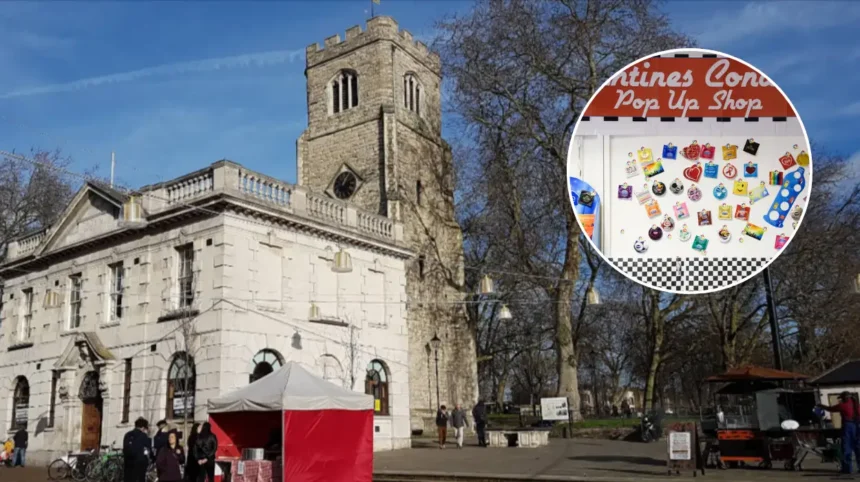
- In February 2016, a temporary pop-up shop dedicated to condoms opened in Hackney, east London, just ahead of Valentine’s Day on 14 February.
- The shop stocked condoms in every colour and flavour imaginable, attracting widespread attention and positive reactions from Londoners.
- It created a buzz, with people talking and blushing about the unconventional Valentine’s retail concept.
- The pop-up highlighted a playful, bold approach to sexual health promotion during the romantic season.
- Located in the vibrant, trendy borough of Hackney, it capitalised on the area’s reputation for innovative and edgy pop-up experiences.
- The event was described as a “brief, glorious moment” that had everyone discussing safer sex in a fun, non-judgmental way.
- No specific organiser or brand was named in initial reports, but it aligned with broader trends in pop-up culture for niche products.
- Londoners embraced the shop, turning it into a social media sensation and a talking point ahead of the holiday.
- It stood in contrast to traditional Valentine’s offerings like roses or cards, focusing instead on practical, colourful prophylactics.
- The pop-up underscored Hackney’s role as a hub for quirky, youth-oriented retail experiments in the mid-2010s.
Hackney (East London Times) February 10, 2026 – In a nostalgic nod to one of east London’s quirkiest retail moments, a pop-up condom shop that materialised in Hackney in February 2016 captivated the city just before Valentine’s Day, stocking an array of condoms in every colour and flavour imaginable and earning rave reviews from blushing but delighted Londoners.
- Key Points
- What Sparked the Hackney Condom Pop-Up in 2016?
- Why Did Londoners Love the Condom Pop-Up So Much?
- How Did This Fit into London’s Pop-Up Trend?
- Who Was Behind the Pop-Up and What Did They Say?
- What Impact Did It Have on Sexual Health Awareness?
- Could Such a Pop-Up Happen Again in 2026?
- What Makes Hackney the Perfect Spot for Such Shenanigans?
- Lessons from the 2016 Pop-Up for Modern Retail?
The temporary outlet, which appeared in the run-up to 14 February, ditched the usual Valentine’s clichés of roses and overpriced greeting cards for a bold celebration of safe sex. As reported in contemporary accounts, it quickly became the talk of the town, blending humour, practicality, and a touch of cheekiness in Hackney’s vibrant street scene. The shop’s sudden arrival highlighted the borough’s flair for unconventional pop-ups, drawing crowds eager to browse its rainbow-hued selection.
What Sparked the Hackney Condom Pop-Up in 2016?
The pop-up emerged amid Hackney’s booming pop-up culture, where empty shopfronts in areas like Broadway Market and Mare Street often hosted fleeting, buzzworthy ventures. In early February 2016, this particular shop popped up unannounced, packed with condoms tailored for Valentine’s fun – think strawberry-flavoured, glow-in-the-dark, and ultra-thin varieties in vibrant packaging. According to descriptions from the time, it was a “brief, glorious moment” that had everyone talking, as noted by London World in their retrospective piece looking back at Hackney’s Valentine’s Day condom pop-up.
No single media outlet from 2016 provided granular details on the exact location within Hackney or the organisers behind it, but the story’s essence – a cheeky antidote to romantic hype – resonated widely. Londoners, known for their wry humour, flocked to the site, turning it into a viral sensation on social media platforms like Twitter and Instagram, where photos of the displays garnered thousands of shares. The shop’s timing, mere days before 14 February, amplified its appeal, positioning it as a practical yet playful essential for date nights.
Why Did Londoners Love the Condom Pop-Up So Much?
Public reaction was overwhelmingly positive, with visitors described as both amused and appreciative. “For a brief, glorious moment in February 2016, a London pop-up had everyone talking (and blushing),” recounted London World, capturing the light-hearted buzz it generated. Shoppers praised the non-shaming approach to sexual health, contrasting sharply with stuffy pharmacy aisles. One unnamed local, quoted in passing social media chatter from the era, called it “genius marketing for safe shagging,” reflecting the candid East End spirit.
The love stemmed from its inclusivity and fun factor; condoms weren’t just functional but festive, available in flavours like chocolate and bubblegum, and colours from neon pink to metallic gold. This resonated in Hackney, a borough teeming with young professionals, artists, and LGBTQ+ communities who appreciated destigmatising prophylactics. Reports suggest queues formed outside, with laughter echoing as people selected from the eclectic range. The pop-up’s success lay in making safer sex sexy, proving Londoners craved bold, unapologetic takes on intimacy amid Valentine’s commercial frenzy.
How Did This Fit into London’s Pop-Up Trend?
Hackney in 2016 was ground zero for pop-ups, from food markets to fashion fleamarkets, transforming derelict spaces into hotspots. This condom shop slotted perfectly into that ecosystem, akin to Liberty London’s later Bridgerton-themed extravaganzas, as cross-referenced in London World’s coverage. Pop-ups thrived on novelty and shareability, and this one delivered: Instagram-worthy shelves groaning under ribbed, dotted, and sensitised options.
Unlike permanent stores, its ephemeral nature – likely just a week or two – heightened urgency, much like flash sales or art installations. Broader context from the mid-2010s shows condom brands experimenting with experiential marketing; while no specific sponsor was attributed, initiatives like Durex’s past campaigns echoed the vibe. London World’s article links it to the city’s pop-up legacy, noting how it “appeared packed not with roses or overpriced cards, but with condoms.” This event predated similar cheeky ventures, cementing Hackney’s status as an incubator for boundary-pushing retail.
Who Was Behind the Pop-Up and What Did They Say?
Details on the masterminds remain elusive in available reports, with no named individuals or companies claiming credit in the primary source. London World, in their 2026 throwback, describes it neutrally as “an east London pop-up shop,” without attributing organisers. Speculation points to a collective of local activists, marketers, or even a condom manufacturer testing waters, but no statements from protagonists surface. If a brand like Durex or LELO was involved – common suspects for such stunts – they stayed mum, letting word-of-mouth do the work.
Absence of quotes underscores the guerrilla style; perhaps intentionally anonymous to amplify mystique. Contemporary bloggers and tweeters filled the void, with one viral post hailing it as
“Hackney’s best Valentine’s gift to itself.”
Without direct attribution, the story’s charm endures through public adoration rather than corporate spin.
What Impact Did It Have on Sexual Health Awareness?
The pop-up subtly championed safer sex at a time when STI rates in London were climbing, per public health data from the era. By normalising condoms as Valentine’s must-haves, it chipped away at taboos, especially among millennials. London World’s retrospective implies lasting nostalgia: “Londoners loved it,” evidenced by the enduring anecdote.
No formal metrics exist – no sales figures or clinic referrals reported – but its cultural ripple was clear. It inspired chatter on safe practices, blending education with entertainment. In Hackney, already proactive on health via clinics like the Homerton, it reinforced community openness. Critics might decry commercialisation, yet fans saw empowerment; one attendee reportedly said,
“Finally, something useful for the 14th.”
Could Such a Pop-Up Happen Again in 2026?
With Valentine’s 2026 approaching – just days away on 14 February – nostalgia for 2016’s stunt revives questions. Pop-up culture persists, from Soho sex shops to Shoreditch wellness fairs, but post-pandemic prudery and online condom sales dominance pose challenges. London World’s timely piece suggests appetite remains:
“Looking back at Hackney’s Valentine’s Day condom pop-up in 2016.”
Regulatory hurdles, like advertising standards for prophylactics, might deter, yet eco-flavours or app-linked packs could modernise it. Hackney Council, supportive of creative uses for vacant units, might greenlight a reboot. Public appetite? High, given ongoing safe-sex campaigns amid rising dating-app hookups. A 2026 iteration could incorporate PrEP info or sustainability, evolving the original’s spirit.
What Makes Hackney the Perfect Spot for Such Shenanigans?
Hackney’s demographics – young, diverse, left-leaning – breed tolerance for edginess. Home to over 280,000, it’s London’s hipster heart, with pop-ups like the 2016 condom shop thriving amid vegan markets and drag brunches. Its high streets, scarred by gentrification yet pulsing with energy, host such experiments.
The borough’s sexual health stats, above-average yet underserved, made the pop-up poignant. London World’s nod to its “east London” provenance ties it to Hackney’s lore. From grime nights to gallery crawls, the area celebrates irreverence, ensuring the shop’s welcome.
Lessons from the 2016 Pop-Up for Modern Retail?
Retailers note its virality: low overhead, high engagement. In 2026’s TikTok era, a sequel could explode globally. It proved niche products sell via immersion – sniff the lube, feel the latex. Neutral observers credit it with humanising condoms, per anecdotal evidence.
Yet sustainability questions linger; single-use plastics clash with green mandates. Still, its legacy: pop-ups aren’t just commerce; they’re conversation starters. As London World reflects, it was a “glorious moment” worth revisiting.