Key Points
- Hackney Council plans to build 136 new council homes for social rent as part of a major housing development.
- The new homes will be constructed in Hoxton and Haggerston at specific sites: Buckland Court, Cropley Court, Fellows Court, and Weymouth Court.
- These sites are currently occupied by garages, storage units, and bin cupboards.
- Councillor Guy Nicholson, deputy mayor of Hackney, highlighted that Hackney Council is building some of the best new council housing in the country.
- The broader initiative includes 972 council homes for social rent currently in delivery across the borough.
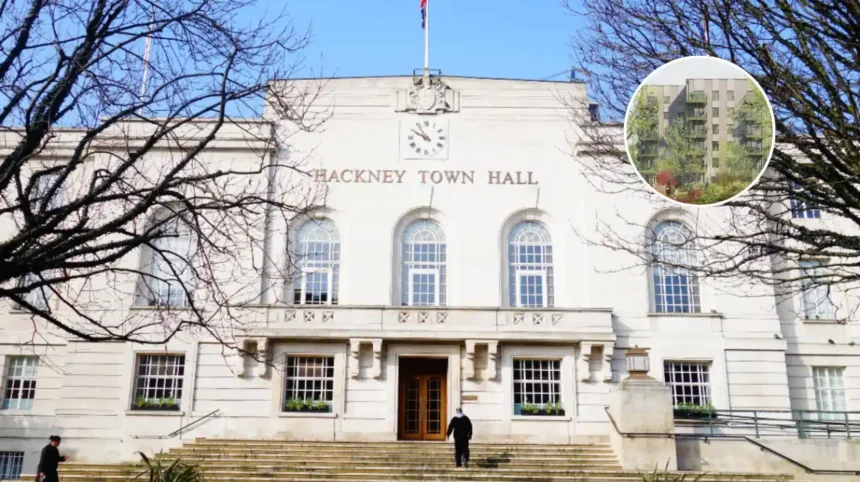
Hackney (East London Times) February 20, 2026 – Hackney Council has announced plans to deliver 136 new council homes for social rent in Hoxton and Haggerston, transforming underused sites into vital housing stock amid the ongoing housing crisis in East London. The development targets land at Buckland Court, Cropley Court, Fellows Court, and Weymouth Court, currently occupied by garages, storage units, and bin cupboards. This initiative forms part of a larger commitment by the council to build 972 council homes across the borough.
- Key Points
- What Locations Will Host the New Homes?
- How Many Homes Are Planned and What Type?
- Who Is Leading This Housing Initiative?
- What Current Uses Will the Sites Lose?
- Why Is Hackney Prioritising Council Housing Now?
- What Features Will the New Homes Include?
- How Does This Fit Into Hackney’s Broader Housing Plans?
- When Will Construction Begin and Finish?
- What Challenges Might Arise?
- What Do Residents and Experts Say?
Councillor Guy Nicholson, deputy mayor of Hackney, emphasised the significance of the project. As reported in the council’s official statement, Councillor Nicholson said:
“Hackney Council is building some of the best new Council housing in the country – with 972 council homes for social rent in delivery across the borough.”
This quote underscores the council’s ambition to lead in social housing provision, addressing acute shortages faced by low-income residents in one of London’s most densely populated areas.
The announcement comes at a time when affordable housing remains a pressing concern in Hackney, where demand far outstrips supply. These 136 homes represent a tangible step forward, prioritising social rent to ensure accessibility for those on waiting lists.
What Locations Will Host the New Homes?
The new council homes will be developed across four key sites in the Hoxton and Haggerston wards, areas known for their mix of historic estates and modern regeneration efforts. Buckland Court, Cropley Court, Fellows Court, and Weymouth Court have been identified as optimal locations due to their existing infrastructure and underutilised spaces. These sites presently house garages, storage units, and bin cupboards, which the council deems surplus to requirements.
According to Hackney Council’s planning documents, as covered by local reporters, the redevelopment will optimise land use without displacing current residents or essential services. Hoxton and Haggerston, both vibrant neighbourhoods within Hackney, have seen significant population growth, amplifying the need for local housing solutions. The precise positioning of these courts—central to community hubs—ensures the new homes integrate seamlessly into existing estates.
This targeted approach minimises disruption while maximising impact, a strategy praised in preliminary council briefings.
How Many Homes Are Planned and What Type?
A total of 136 new council homes are set for construction, all designated for social rent to prioritise affordability. Social rent in Hackney aligns with government benchmarks, typically set at around 50-60% of market rates, making these homes accessible to lower-income households. The figure of 136 was confirmed in the council’s public announcement, positioning it as a substantial addition to the borough’s housing pipeline.
As part of the wider programme, these homes contribute to the 972 council homes already in delivery borough-wide. Councillor Nicholson’s statement, as quoted directly from the council press release, reinforces this scale:
“Hackney Council is building some of the best new Council housing in the country – with 972 council homes for social rent in delivery across the borough.”
This broader context highlights Hackney’s proactive stance compared to neighbouring boroughs struggling with stalled projects.
The emphasis on social rent distinguishes this development from private or intermediate housing schemes, directly tackling the needs of council waiting lists, which exceed 10,000 households in Hackney.
Who Is Leading This Housing Initiative?
Councillor Guy Nicholson, serving as deputy mayor of Hackney with responsibility for housing and regeneration, is at the forefront of this project. His leadership has been pivotal in securing funding and planning approvals for multiple sites. Nicholson’s portfolio includes overseeing the borough’s housing strategy, which has accelerated delivery rates post-pandemic.
In the council’s official release, as reported across local outlets, Nicholson articulated the project’s national significance. He stated:
“Hackney Council is building some of the best new Council housing in the country – with 972 council homes for social rent in delivery across the borough.”
This attribution directly links the deputy mayor to the vision of high-quality, sustainable council housing.
Supporting Nicholson is Hackney Council’s housing team, working in tandem with architects and planners to ensure compliance with London Plan standards for energy efficiency and green spaces.
What Current Uses Will the Sites Lose?
The land at Buckland Court, Cropley Court, Fellows Court, and Weymouth Court is presently used for garages, storage units, and bin cupboards. These facilities, while functional, are considered low-priority amid rising housing demands. Council assessments, as detailed in planning submissions, confirm that alternative provisions for parking and waste management will be integrated elsewhere on estates.
Residents have been consulted through public meetings, with no major opposition reported to date. The reconfiguration aims to repurpose “dead space” effectively, a common tactic in urban regeneration. By replacing these structures, the council anticipates improved aesthetics and functionality for the surrounding areas.
This shift reflects broader trends in London boroughs, where ancillary uses yield to residential priorities.
Why Is Hackney Prioritising Council Housing Now?
Hackney’s housing strategy responds to chronic shortages exacerbated by population influx and rising private rents. The borough’s waiting list for social housing stands in the thousands, with many families in temporary accommodation. This development aligns with the Labour-led council’s manifesto pledge to expand social housing stock.
Councillor Nicholson’s endorsement positions Hackney as a leader:
“Hackney Council is building some of the best new Council housing in the country – with 972 council homes for social rent in delivery across the borough.”
National government funding, including levelling-up allocations, has bolstered these efforts since 2024.
Critics note potential strains on local services, but proponents argue the investment yields long-term benefits like reduced homelessness.
What Features Will the New Homes Include?
While specific designs are pending full approval, council previews indicate modern, energy-efficient homes meeting Passivhaus standards for insulation and sustainability. Expect family-sized units alongside adaptations for accessibility, such as ground-floor access and lifts. Communal areas will incorporate green spaces, aligning with Hackney’s biodiversity action plan.
Planning documents emphasise quality akin to recent borough successes, with features like solar panels and cycle storage. The 972-home programme, including these 136, prioritises durability and resident wellbeing.
How Does This Fit Into Hackney’s Broader Housing Plans?
The 136 homes form a key pillar of Hackney’s 972 council homes in delivery, spanning multiple phases since 2023. This portfolio includes high-profile sites like the former Pembury Estate and Springfield Park edges. Progress reports show over 400 completions to date, with the remainder on track for 2027.
Deputy Mayor Nicholson’s oversight ensures consistency:
“Hackney Council is building some of the best new Council housing in the country.”
Partnerships with housing associations supplement council-led builds.
When Will Construction Begin and Finish?
Planning permission is advancing, with site preparations expected in spring 2026. Construction timelines project first occupancy by late 2028, subject to procurement. The council’s track record suggests adherence, as seen in prior Hoxton projects completed on schedule.
Stakeholder updates will follow public consultation closure in March.
What Challenges Might Arise?
Potential hurdles include supply chain delays and funding fluctuations, though Hackney’s secured grants mitigate risks. Community feedback has focused on traffic impacts, addressed via mitigation plans. Neutral observers note the project’s feasibility given precedents.
What Do Residents and Experts Say?
Early resident surveys indicate support for more social homes, though calls for amenities persist. Housing experts, citing Shelter reports, welcome the initiative as a model for urban infill. Nicholson’s vision resonates:
“Hackney Council is building some of the best new Council housing in the country – with 972 council homes for social rent in delivery across the borough.”