Key Points
- Hackney Council submitted its response to the Government’s consultation on Earned Settlement on 15 February 2026.
- The proposals would replace the current route to settlement with a system that significantly increases the length of time, income thresholds, and other requirements migrants must meet before qualifying for settled status.
- Hackney Council’s response was developed after consulting residents, local organisations, and Council staff.
- The proposed model risks reducing the attractiveness of the UK to migrant workers in sectors facing acute labour shortages, particularly health and social care.
- The changes would impose significant additional costs on local authorities and partner organisations, leading to increased demand and pressures in housing, children’s services, and adult social care.
- Residents have reported that the proposals are causing stress and re-traumatisation, as the system assumes no barriers to secure work, stable housing, or English language support, which is not the reality for many.
- There is particular distress over the potential retrospective application of changes to those currently holding limited leave to remain.
- Hackney prides itself on being a welcoming borough where migrants contribute enormously to communities, public services, and the local economy.
- National policy must recognise these contributions and treat all residents with fairness and dignity.
- The response is endorsed by Mayor of Hackney Caroline Woodley and Cllr Carole Williams, Cabinet Member for Employment, Human Resources and Equalities.
- The Government’s consultation, titled ‘A Fairer Pathway to Settlement’, was announced on 28 November 2025 and ran until 13 February 2026, receiving over 130,000 responses.
- Proposals include doubling the standard qualifying period for Indefinite Leave to Remain (ILR) from 5 to 10 years, with options to ‘earn’ settlement earlier based on economic contribution, good conduct, and integration.
- Earnings are proposed as the best measure of economic contribution.
- EU nationals under the EU Settlement Scheme are unaffected.
- A 20-year settlement path is proposed for refugees on ‘core protection’ support, with reductions possible for those moving to work or study routes.
- Penalties include extended qualifying periods for benefit claimants (proposals for +5 or +10 years) and those entering illegally.
- Business groups have warned of higher assignment costs and talent retention issues.
- The consultation follows the May 2025 White Paper ‘Restoring control over the immigration system’.
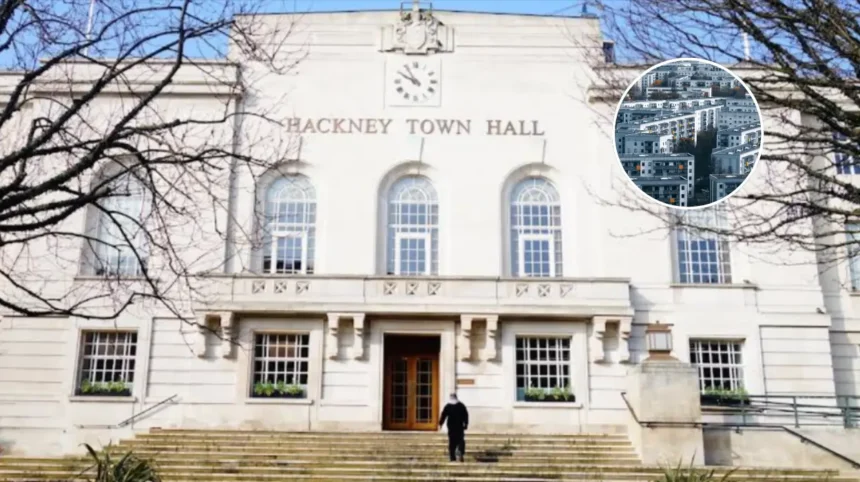
Hackney, London (East London Times) February 16, 2026 – Hackney Council has submitted a strongly worded response to the Home Office’s consultation on proposed Earned Settlement reforms, raising alarms over their potential to harm vulnerable migrants, strain local services, and deter essential workers in health and social care. The council’s statement, published on its official news site, highlights concerns gathered from residents, local organisations, and staff, warning of increased costs and distress in the borough. These reforms, part of a broader government push outlined in the ‘A Fairer Pathway to Settlement’ consultation that closed on 13 February 2026 after attracting over 130,000 responses, aim to extend the path to Indefinite Leave to Remain (ILR) from five to ten years while tying settlement to economic contributions.
- Key Points
- What Are the Proposed Earned Settlement Reforms?
- Why Has Hackney Council Responded So Strongly?
- What Is the Background to the Government’s Consultation?
- Who Else Has Responded to the Consultation?
- How Might These Reforms Impact Migrants and Local Services?
- What Happens Next After the Consultation?
What Are the Proposed Earned Settlement Reforms?
The Government’s consultation proposes replacing the current settlement route with an ‘earned’ model that significantly hikes requirements. As detailed in the official consultation document from GOV.UK, the standard qualifying residence period would rise from five to ten years, with individuals able to reduce this through verifiable contributions such as higher earnings, integration efforts, and good conduct.
As reported in the Home Office’s ‘A Fairer Pathway to Settlement’ statement, settlement would be delayed for those contributing less to public life, including benefit claimants, with penalties of five or ten additional years proposed if public funds are accessed. Illegal entrants would face long penalties to discourage such routes. For refugees, a starting point of 20 years is set under the ‘Restoring Order and Control’ policy, reducible via work or study but never shorter than standard worker routes.
VisaHQ news reported on 14 February 2026 that the consultation closed with major overhaul expected, including linking ILR to economic input. Penningtons Law, in an insight piece dated 14 February 2026, noted the shift from automatic settlement to a contribution-based system.
Why Has Hackney Council Responded So Strongly?
Hackney Council’s response, as stated on its website, was crafted after direct input from residents, local organisations, and staff.
“We developed our response after speaking with residents, local organisations and Council staff, and we set out serious concerns about the likely impact,”
the statement reads.
The council identifies three core worries. First, “The proposed model risks reducing the attractiveness of the UK to migrant workers in sectors already facing acute labour shortages, most notably health and social care.” Second, “We are concerned that the changes would bring significant additional costs for local authorities and partner organisations. By adversely affecting some of our most vulnerable residents, we expect to see increased demand and cost pressures across housing, children’s services and adult social care.” Third, and “most importantly,”
“residents told us these proposals are already causing stress and re-traumatisation. A system that relies on people proving continuous contributions assumes there are no barriers to finding secure work, stable housing, or accessing English language support. We know that is not the reality for many people. There is particular distress at the suggestion the changes could be applied retrospectively to those who currently hold limited leave to remain.”
The statement is signed by Mayor Caroline Woodley and Cllr Carole Williams, Cabinet Member for Employment, Human Resources and Equalities, emphasising Hackney’s identity:
“Being a welcoming borough is in Hackney’s DNA. Migrants contribute enormously to our communities, our public services and our local economy. It is vital that national policy recognises those contributions and treats all our residents with fairness and dignity.”
What Is the Background to the Government’s Consultation?
The reforms stem from the Conservative Government’s May 2025 White Paper, ‘Restoring control over the immigration system’, as noted by Capital Law in a 8 December 2025 article. The consultation launched on 28 November 2025, seeking views until 12 February 2026, though VisaHQ reported closure on 13 February with 130,000 responses.
The Home Office argues earnings best measure contribution, per Capital Law’s summary. APPG on Migration described it on 4 December 2025 as the most significant ILR revision in decades, deliverable via Immigration Rules amendments. Boodle Hatfield, in a 5 January 2026 piece, called it a re-engineering from automatic to earned status.
HR Solidarity’s 7 December 2025 community article explained: permanent settlement is no longer automatic but earned via English proficiency, National Insurance payments, and clean records. It detailed 20-year baselines for asylum, reducible by tax contributions but extendable for benefits.
Who Else Has Responded to the Consultation?
While Hackney’s response is local, national reactions vary. VisaHQ highlighted business groups warning of raised costs and talent loss. EU Settlement Scheme holders are exempt, as clarified by Capital Law.
Hackney’s context ties to its migrant support, like Welcome Hackney service for Afghan families under ARAP and ACRS schemes, offering ESOL, benefits, and employability aid via Groundwork, per the council site. This underscores vulnerability concerns.
The Evening Standard on 4 January 2026 noted Hackney among London councils eyeing Home Office schemes, linking to earned settlement.
How Might These Reforms Impact Migrants and Local Services?
For migrants, the ten-year baseline, income tests, and retrospective risks could prolong uncertainty, as Hackney notes. Vulnerable groups face re-traumatisation from assumed seamless integration.
Local authorities like Hackney anticipate cost surges in housing and care. Nationally, labour shortages in care could worsen if UK attractiveness dips.
Refugees’ 20-year path, per GOV.UK, prioritises contribution but risks stranding those in low-wage roles. Benefit use penalties could trap families in poverty.
What Happens Next After the Consultation?
Draft legislation is expected later in 2026, per VisaHQ. Reforms could amend Immigration Rules, with primary legislation for appeals or welfare, as APPG Migration outlined. Boodle Hatfield urged responses to shape outcomes.
Hackney’s voice, amid 130,000 submissions, amplifies local fears in a national debate on fairness versus control.