Key Points
- Controversial Deadline Set: The Green Party Mayor of Hackney set 7 October as the deadline for an official consultation regarding the termination of the London borough’s long-standing twinning link with the Israeli city of Haifa.
- Public Apology Issued: Mayor Zoë Garbett was forced to issue a formal apology to the Mayor of Haifa, Yona Yahav, admitting that selecting the anniversary of the 2023 terrorist attack was a grave error.
- Internal Disclosure Revealed: Freedom of Information disclosures obtained by Conservative councillor Elliot Keck showed that local council officers had originally proposed a later deadline, indicating the situation could have been avoided.
- Community Reaction: Representatives from prominent civic groups, including Board of Deputies President Phil Rosenberg, condemned the initial scheduling as insensitive to the local Jewish community.
- Official Process Modified: Following widespread criticism, municipal leaders extended the submission timeframe by a week and issued clarification statements to affected local bodies.
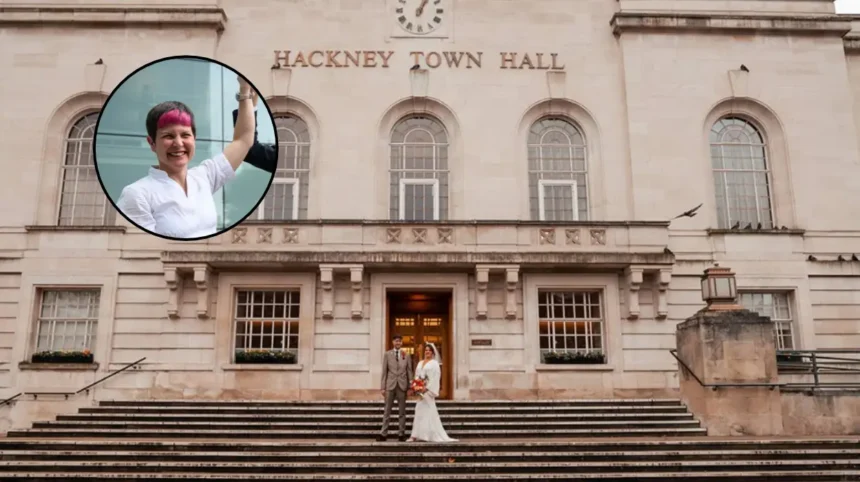
Hackney (East London Times) October 21, 2026 – Mayor Zoë Garbett was forced to write a formal letter of apology to her civic counterpart in Haifa, Mayor Yona Yahav, after setting the deadline for a municipal response on the exact anniversary of the 2023 Hamas attack in which approximately 1,200 Israelis were killed.
- Key Points
- How Did the Controversy Over the Haifa Twinning Agreement Originate?
- What Do the Freedom of Information Disclosures Show About Internal Recommendations?
- How Did Community Leaders and Civic Officials Respond to the Initial Deadline?
- What Steps Were Taken by the Mayor of Hackney to Address the Error?
- Background of the Hackney-Haifa Twinning Arrangement
- Prediction: How This Development May Affect the Local Community and Municipal Governance
Information unearthed by Conservative councillor Elliot Keck under Freedom of Information legislation revealed that local authority administrative staff had initially put forward a later schedule for the feedback process. The disclosures indicate that the public relations issue and ensuing civic controversy could have been prevented had standard administrative recommendations been followed.
How Did the Controversy Over the Haifa Twinning Agreement Originate?
As reported by Daniel Ben-David of The Jewish Chronicle, the London Borough of Hackney has maintained a formal twinning partnership with the northern Israeli port city of Haifa for 58 years. The civic relationship was established to foster cultural exchanges, local government dialogue, and mutual community engagement.
However, political debates regarding municipal international ties intensified across several London local authorities. Motions were introduced within the local chamber to evaluate the continuation of the formal agreement with Haifa. Following council discussions, Mayor Zoë Garbett sent official correspondence to Haifa Municipal Council to seek their formal perspective on the prospective termination of the arrangement.
In her initial correspondence to Mayor Yona Yahav, Mayor Garbett formally requested that the Haifa administration submit their written commentary regarding the proposal to sever municipal ties by 7 October.
What Do the Freedom of Information Disclosures Show About Internal Recommendations?
As reported by Jane Prinsley of The Jewish Chronicle, documents obtained through Freedom of Information access requests by Conservative councillor Elliot Keck revealed that internal civic officers had compiled timeline options that avoided scheduling critical deadlines on sensitive calendar dates.
The internal correspondence indicated that non-political council officers had recommended an alternative timeline that extended past the early weeks of October. Despite these proposals, the final correspondence transmitted to international civic authorities contained the 7 October cutoff date.
Councillor Elliot Keck stated that the internal disclosures demonstrated that municipal leadership had received staff options that would have prevented the selection of the anniversary date. He noted that the administrative oversight had caused unnecessary friction between local government figures and international civic partners.
How Did Community Leaders and Civic Officials Respond to the Initial Deadline?
As reported by Annabel Sinclair of Jewish News, the announcement of the 7 October deadline drew immediate responses from civic leaders, local politicians, and representative bodies.
Phil Rosenberg, President of the Board of Deputies of British Jews, publicly criticized the selection of the date, describing the timing of the consultation deadline as deeply insensitive to members of the Jewish community in Hackney and across the wider region.
Local representatives from opposition parties within the borough council also raised objections during municipal proceedings, questioning the oversight process that allowed an international consultation deadline to coincide with the anniversary of a major historical event.
What Steps Were Taken by the Mayor of Hackney to Address the Error?
As reported by Jane Prinsley of The Jewish Chronicle, following the public opposition, Mayor Zoë Garbett issued an official statement and dispatched secondary correspondence to Mayor Yona Yahav in Haifa.
In her revised letter, Mayor Garbett acknowledged that setting the original response date was a serious mistake and offered an unreserved apology for the grief and distress caused to the Haifa administration and local residents. She formally clarified that 7 October represents a day of profound sadness and memory for Jewish communities worldwide.
To rectify the administrative framework, Mayor Garbett extended the consultation submission period by one additional week, establishing a revised deadline to ensure the Haifa municipality could submit its representations without coinciding with the anniversary date.
Background of the Hackney-Haifa Twinning Arrangement
The municipal twinning arrangement between the London Borough of Hackney and the Israeli city of Haifa was formally established in 1968. For over five decades, the bilateral agreement served as a framework for educational visits, cultural sharing, and civic dialogue between local government officers in the United Kingdom and Israel.
In recent years, several local councils across the United Kingdom have faced debates regarding municipal twinning links with overseas jurisdictions. Similar discussions regarding de-twinning motions have been brought before local chambers in boroughs such as Brent and Bournemouth.
Within Hackney Council, motions concerning international partnerships have routinely generated debate among Labour, Conservative, and Green Party representatives, reflecting broader political discussions surrounding local authority international engagement policies.
Prediction: How This Development May Affect the Local Community and Municipal Governance
This development is expected to influence local civic relations, municipal administrative processes, and political governance within the London Borough of Hackney across several key areas:
- Impact on Local Community Cohesion: The controversy may require sustained outreach between local authority leaders and community organizations to rebuild trust regarding municipal decision-making and sensitivity toward significant calendar observances.
- Changes to Administrative Governance: Hackney Council officers are likely to implement stricter internal verification procedures for international correspondence and consultation schedules, ensuring that future civic deadlines undergo rigorous review prior to release.
- Future Twinning Debates: The scrutiny surrounding the consultation timeline may lead elected members to adopt more standardized frameworks when reviewing civic links, focusing on formalized consultation periods that maintain neutral administrative timelines.