Key Points
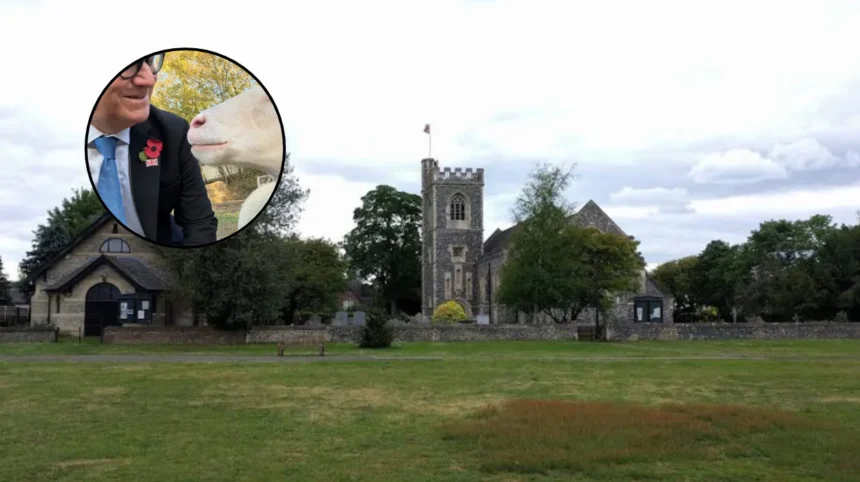
- Andrew Rosindell MP visited Happy Acres Animal Rescue sanctuary in Havering-atte-Bower, Romford.
- Happy Acres is run by co-founders Clair and Sasha and operates as a self-funded sanctuary supported by public donations and fundraising events.
- The facility provides lifetime rehabilitation and care for rescued farm animals, including horses, ponies, alpacas, sheep, goats, and chickens.
- It is believed to be the only dedicated farm animal sanctuary operating within the Romford area.
- Andrew Rosindell MP pledged his support as the local Member of Parliament and urged the community to assist upcoming fundraising efforts.
- The sanctuary’s next major fundraising event is a Quiz Night scheduled at The Deer’s Rest in Noak Hill on 30 November at 7.30 pm.
Havering (East London Times) November 4, 2026 – A farm animal sanctuary situated in the countryside of Havering-atte-Bower has received official recognition from local parliamentary leadership following a formal site visit to inspect its animal welfare and rehabilitation operations.
Andrew Rosindell, the Member of Parliament for Romford, conducted a weekend visit to the Happy Acres Animal Rescue sanctuary located on Bower Farm Road in Havering Village. The facility, established by co-founders Clair and Sasha, serves as a dedicated rehabilitation centre and lifetime home for unwanted, abandoned, and rescued livestock and poultry. During the visit, parliamentary representation was provided with a comprehensive tour of the hillside property, which houses a diverse population of rescued animals including horses, ponies, alpacas, sheep, goats, and chickens.
What Did Andrew Rosindell MP Say During His Visit to Happy Acres?
Following the inspection of the facilities and interactions with the operational team, Andrew Rosindell MP expressed his support for the sanctuary’s ongoing mission within the constituency.
Andrew Rosindell MP stated: “I met horses, lamas, sheep, goats and chickens, all were loved and looked after at their picturesque hillside home, overlooking the rolling fields of Essex.”
He further added: “As Romford’s M.P., I was pleased to see animals so well cared for and to hear the stories about each one and how they came to be rescued, having been abandoned and unwanted before. All the animals were special, with their own character and are now being rehabilitated in the countryside of Havering Village as part of a loving and safe home.”
Andrew Rosindell MP concluded: “I would like to say how grateful I am to all the staff and volunteers of Happy Acres Rescue for inviting me to visit and to thank them for their incredible work. I hope local people will support Happy Acres Rescue, donate to their cause and support all their fundraising events. I am proud of the work Happy Acres do for the animals within our community and will give them all the support I can as their local M.P.”
How Is Happy Acres Sanctuary Funded and Managed in Romford?
Happy Acres is managed directly by its founders, Clair and Sasha, who finance the daily operations, veterinary care, feeding regimens, and shelter maintenance through personal funds alongside public donations and structured fundraising campaigns.
The facility is believed to be the only operational farm animal sanctuary in the Romford area. The sanctuary focuses specifically on livestock and farm animals that have experienced abandonment, neglect, or surrender, offering a permanent refuge rather than temporary rehoming services.
To assist with operational overheads, the sanctuary organises regular public events. The upcoming fundraising initiative will be a Quiz Night hosted at The Deer’s Rest public house in Noak Hill, scheduled for 30 November at 7.30 pm.
Background of Happy Acres Animal Rescue Sanctuary
The establishment of Happy Acres Animal Rescue addresses a specific operational niche within local animal welfare infrastructure. While small domestic animal rescues (handling cats and dogs) operate across East London and Essex, facilities equipped for large farm animals, equine care, and livestock rehabilitation are limited due to land requirements and operational costs.
Farm animal sanctuaries rely heavily on agricultural zoning, specialized veterinary access, and sustained financial capital to cover feed, hoof care, fencing, and specialized enclosures. Independent sanctuaries across the United Kingdom frequently operate as non-profit or self-funded entities, depending on voluntary labor and community contributions to maintain operational capacity.
Prediction: How Will This Development Affect the Local Community and Sanctuary Operations?
The formal visit and endorsement by Andrew Rosindell MP are anticipated to impact the sanctuary’s operational stability, local animal welfare networks, and the broader constituency in several specific ways:
Impact on Happy Acres Sanctuary and Operations
- Increased Public Awareness: Highlighting the sanctuary’s presence in Havering-atte-Bower provides immediate visibility, which typically translates to higher attendance at scheduled events such as the Noak Hill Quiz Night.
- Financial Sustainability: Enhanced constituency recognition offers potential growth in recurring private donations, sponsorships for specific animals, and material support from local agricultural suppliers.
- Volunteer Mobilisation: Official political endorsement can encourage local residents to contribute voluntary labor for daily sanctuary upkeep and administrative support.
Impact on the Local Constituency and Welfare Sector
- Strengthened Animal Relief Options: Clearer operational backing assures the local council and residents of an available resource when dealing with stray, abandoned, or neglected farm animals in rural Havering.
- Community Engagement: Fundraising events hosted at local venues foster community cohesion and support the local hospitality trade through charitable partnerships.