Key Points
- Havering Council election set for Thursday, 7 May 2026, with current minority administration led by Havering Residents’ Association (HRA) holding 25 seats, Conservatives on 14 seats, and Labour on 8 seats.
- Borough backed Leave in the 2016 EU referendum, making it a prime target for Reform UK, which has expanded via defections including three former Conservative councillors and Romford MP Andrew Rosindell.
- Council relies on £77m in emergency government funding for 2026/27 budget, following a £32.5m loan in 2024 and £88m borrowing in 2025.
- Statutory services dominate spending: adult social care at £125.8m and children’s services at £82.1m.
- Administration approved 4.99 per cent council tax rise for 2026/27 to address costs.
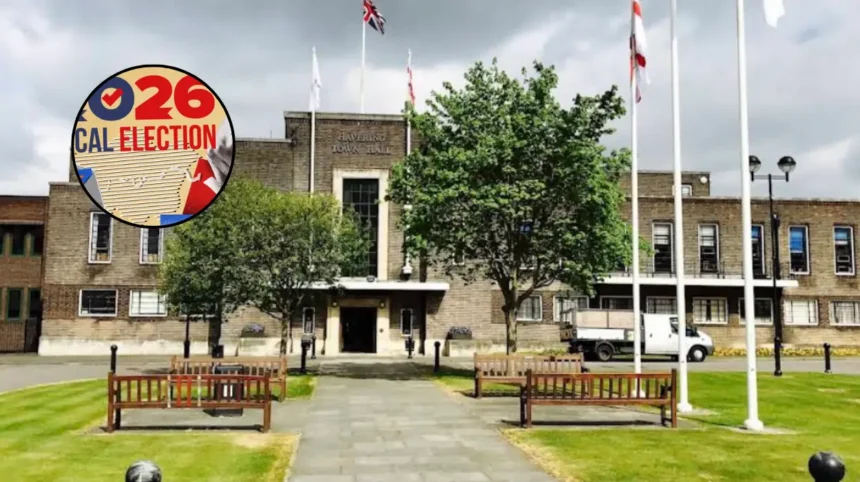
Havering (East London Times) April 23, 2026 – Voters in Havering prepare for local elections on 7 May 2026 amid financial pressures and shifting political alliances, with Reform UK positioning the borough as a key target. The council operates under a minority administration led by the Havering Residents’ Association (HRA), which holds 25 seats following the collapse of its coalition with Labour in 2024. Conservatives retain 14 seats, Labour 8, creating an unpredictable outcome in this Leave-voting borough reliant on substantial government support.
Why Is Havering a Reform UK Target?
Havering stands out as one of Reform UK’s top targets in London due to its 2016 Brexit vote, one of only five boroughs to back Leave. As reported by BBC News, the area has a history of fragmented politics without a dominant party securing a majority. Reform UK has grown through defections, including three former Conservative councillors and support from Romford MP Andrew Rosindell.
Nigel Farage, Reform UK leader, visited Romford Market on Friday alongside Rosindell, highlighting the council as a priority. Keith Prince, a former Conservative now standing for Reform, stated during the visit,
“We will make a massive difference here and we will make sure that [Romford] market is regenerated and we’re looking to put more pride into Havering.”
The HRA displaced Conservatives in 2022 with Labour support, but the coalition ended in 2024, leaving HRA to lead alone.
Ray Morgon from HRA appeared alongside Conservative candidate Michael White and Reform’s Keith Prince in recent coverage, underscoring the competitive field. East London Times notes Havering’s financial inheritance has persisted as a challenge under HRA tenure.
What Are the Borough’s Financial Challenges?
Havering’s budget for 2026/27 depends on £77m in government financial support to balance accounts, after a £32.5m loan in 2024 and £88m borrowing requirement in 2025. Council leaders emphasise statutory services consuming most spending: adult social care at £125.8m and children’s services at £82.1m.
As detailed in East London Times, primary strains include surging housing demand, with 300 households now seeking council help monthly, up from 200 in 2021; nightly lets and hotels cost over £8m annually despite 150 new family homes.
TheHaveringDaily reports people services budget for adult and children’s social care set at £155m but projected to overspend by £15m due to more children in care and disabled children needing support. Population growth exacerbates this: 10.4% rise from 2011-2021 above London’s 7.7% average, with the largest 6% child population increase in outer London and fourth nationally.
An Ofsted report, cited by Romford Recorder via East London Times, highlights social workers facing unmanageable caseloads, plus rises in council-funded school transport and double-digit increases in education, health, and care plans (EHC plans).
To cover costs, the administration approved a 4.99% council tax increase for 2026/27, raising Band D bills to £2424 from April amid a £72.7m deficit. Havering Council’s official statement confirms councillors agreed a 2.99% core increase plus 2% adult social care precept, in line with government limits, despite £39m fair funding review grant falling short even with £10m savings. TheHaveringDaily covered the approval, noting pressures from population growth on children’s services.
How Did Past Elections Shape the Current Landscape?
In the 2022 election, HRA and Labour formed a coalition post-vote, but it dissolved in 2024. BBC analysis describes this as an unconventional grouping, with HRA pushing Conservatives aside four years ago via Labour’s aid. No single party has historically secured a full majority, fostering fragmentation. Reform UK’s local presence has accelerated via defections, positioning it plausibly for gains. AOL echoes BBC coverage of Farage’s Romford visit with Rosindell, reinforcing Havering’s status as a target.
What Role Does Government Funding Play?
The £77m emergency funding props up the 2026/27 budget, critical amid ongoing deficits. Previous measures included the 2024 £32.5m loan and 2025 £88m borrowing. TheHaveringDaily’s special report attributes resident burdens to poor central funding, with social services and temporary housing dominating expenditure.
Havering Council notes the fair funding review provides £39m over three years, insufficient against rising adult social care complexity.
East London Times reports housing costs alone exceed £8m yearly for temporary lets, despite new homes. Children’s services face acute strain from demographic shifts, per council figures and Ofsted.
Background of the Development
Havering’s political and financial dynamics trace to its Brexit stance and service demands. The 2016 Leave vote aligned it with Reform UK’s ethos, amplified by defections like those of three ex-Conservatives and Rosindell’s involvement. Post-2022, HRA’s coalition with Labour managed inherited finances but collapsed amid persistent pressures.
Budget reliance on government aid began with 2024 loans, escalating to £77m for 2026/27. Population growth—10.4% overall, 6% in children—has driven social care overspends, with adult services at £125.8m and children’s at £82.1m. The 4.99% tax rise, approved to meet referendum limits, reflects statutory overrides, as councils prioritise these over discretionary spending. Historical non-majority outcomes keep contests open.
Prediction: Impact on Havering Residents
This development can affect Havering residents through potential shifts in council control influencing budget management and services. A Reform UK advance might redirect focus to regeneration like Romford Market, as Keith Prince indicated, while straining finances further if funding shortfalls persist. HRA retention could sustain emphasis on statutory services amid £77m aid, but tax rises may continue.
Conservative or Labour gains might alter alliances, affecting housing and care allocations. Residents face ongoing council tax hikes—4.99% adding £111 to Band D bills—and service pressures from population growth, with social care caseloads and EHC plans rising. Election outcomes could determine borrowing reliance or grant pursuits, directly impacting household costs and access to adult/children’s support.