Key Points
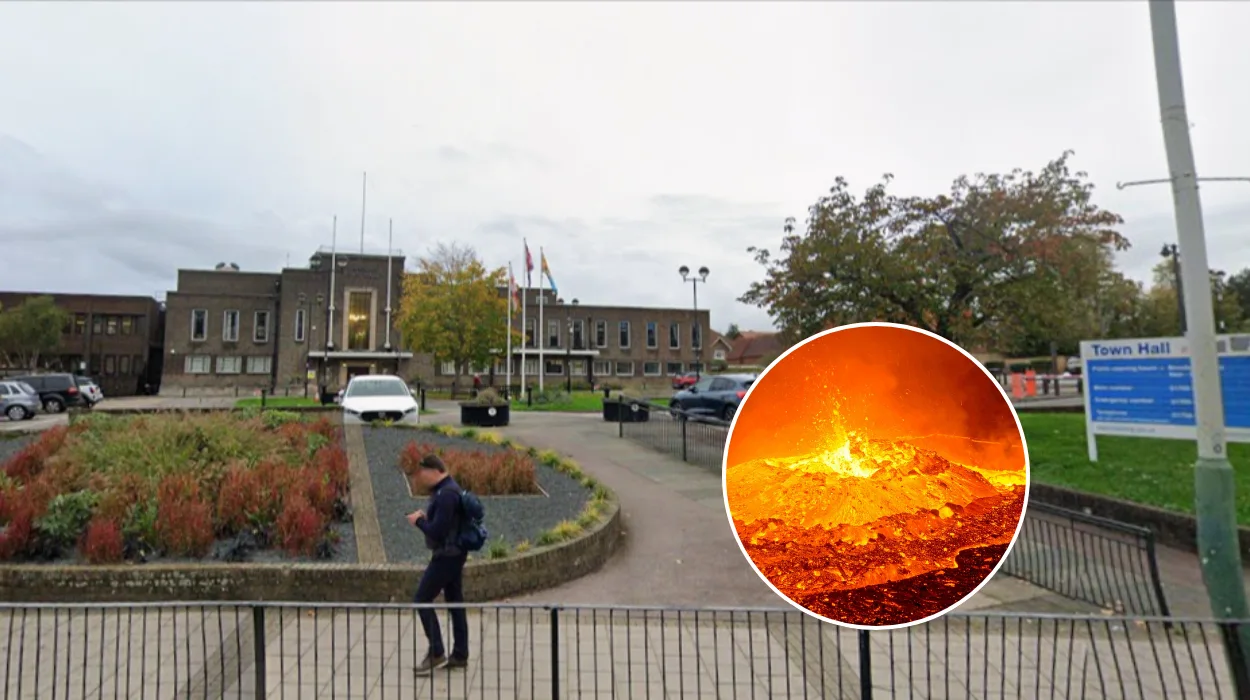
- Havering Council is advancing plans to prevent recurring fires at Arnolds Field in Launders Lane, Rainham, east London, a former illegal landfill site dubbed the “Rainham Volcano”.
- The site was officially declared contaminated following a judicial review in October.
- It has caught fire more than 100 times since 2019, producing potentially harmful smoke affecting nearby homes.
- The council proposes spraying high-risk areas with a polymer seal to limit underground oxygen and suppress fires.
- This temporary measure aims to provide the landowner time to submit development plans or implement a permanent solution.
- Plans to hire a contractor are scheduled for agreement next month.
- The council will fund the work, though costs remain undisclosed publicly; they have sought financial support from the Department for Environment, Food and Rural Affairs (Defra), Ministry for Local Government, the Environment Agency, and the Greater London Authority.
- Previous council estimates indicated substantial works could take three to seven years.
- Ray Morgon, leader of Havering Council, emphasised urgency to protect residents from further smoke exposure.
- The Havering Residents Association supports the polymer seal as sufficient interim coverage until a permanent fix.
- In June, the High Court ruled the council acted unlawfully by not designating the land contaminated, following a legal campaign by Clean the Air Havering.
- Between 2002 and 2014, the site hosted significant fly-tipping, illegal firearms storage, and drug production, leading to unmanaged waste volumes that fuel ongoing fires.
Rainham (East London Times) January 12, 2026 – Havering Council is pressing ahead with emergency measures to curb the frequent blazes at the notorious “Rainham Volcano” site in Arnolds Field, Launders Lane, after it was formally declared contaminated land in October following a judicial review. The former illegal landfill has ignited over 100 times since 2019, blanketing nearby homes in potentially toxic smoke and prompting urgent action from local authorities. Council leader Ray Morgon has outlined a temporary polymer seal strategy to starve underground fires of oxygen while the landowner prepares long-term development proposals.
- Key Points
- What Triggered the Recent Legal Declaration of Contamination?
- How Will the Council Implement the Fire Prevention Plan?
- What Do Residents and Associations Say About the Polymer Seal?
- Who Is Funding the Fire Suppression Efforts?
- Why Has Arnolds Field Become Known as the ‘Rainham Volcano’?
- What Historical Context Explains the Site’s Long-Term Issues?
- When Can Residents Expect Relief from the Fires?
- What Challenges Lie Ahead for a Permanent Solution?
- How Has the Community Responded to Years of Disruption?
What Triggered the Recent Legal Declaration of Contamination?
The site’s status shifted decisively after a judicial review in October officially deemed Arnolds Field contaminated. This followed a High Court ruling in June, where the council was found to have acted unlawfully by failing to classify the land as contaminated. As reported by BBC News, the ruling stemmed from a protracted legal campaign spearheaded by the activist group Clean the Air Havering, which highlighted the council’s prior inaction amid residents’ health concerns from repeated smoke plumes.
The council acknowledged that the volume of illegally dumped waste, combined with inadequate management, forms the root cause of the persistent fires and emissions. Between 2002 and 2014, Arnolds Field served as a hub for extensive fly-tipping, illegal firearms storage, and drug production activities, exacerbating the contamination crisis.
How Will the Council Implement the Fire Prevention Plan?
Havering Council’s primary tactic involves spraying areas most prone to ignition with a polymer seal designed to reduce oxygen penetration underground, thereby stifling fire propagation. Ray Morgon, leader of the council, stated:
“We are in talks with the landowner about putting a temporary solution in before next summer to stop the fires until he can implement a permanent solution, either through putting forward a planning application on developing the land, that should include solving the problem for good, or through some other means.”
Plans to appoint a contractor for this work are slated for approval next month, providing a swift interim barrier ahead of warmer seasons when fire risks typically escalate. The council previously noted that any comprehensive remediation could span three to seven years, underscoring the polymer approach as a critical stopgap.
The initiative grants the landowner breathing room to submit formal development plans or alternative remedies, ensuring the site’s hazards do not recur unchecked.
What Do Residents and Associations Say About the Polymer Seal?
The leader of the Havering Residents Association, as covered by the Local Democracy Reporting Service (LDRS), endorsed the council’s polymer seal strategy, stating it should “last long enough to cover time needed for the permanent solution by the landowner”. This backing reflects broader community relief after years of smoke-related disruptions invading homes.
Ray Morgon reinforced resident priorities, declaring:
“Whatever the outcome, we are moving as quickly as possible, so residents don’t once again suffer.”
Such sentiments capture the mounting frustration in Rainham, where over 100 fires since 2019 have repeatedly forced families indoors amid hazardous air quality.
Who Is Funding the Fire Suppression Efforts?
Havering Council has committed to fully financing the polymer seal application, though the exact cost remains undisclosed to the public. To offset this burden, the council has formally written to key bodies including the Department for Environment, Food and Rural Affairs (Defra), the Ministry for Local Government, the Environment Agency, and the Greater London Authority, requesting contributions towards the expenditure.
This outreach highlights the scale of the challenge, as the council balances immediate action with fiscal prudence amid ongoing landowner negotiations. No specific funding commitments from these agencies have been confirmed yet.
Why Has Arnolds Field Become Known as the ‘Rainham Volcano’?
Arnolds Field earned its ominous moniker “Rainham Volcano” due to its propensity for spontaneous, smouldering eruptions of thick, acrid smoke from deep within the waste mound. Since 2019 alone, the site has blazed more than 100 times, with each incident sending plumes billowing towards residential areas in Rainham and surrounding east London boroughs.
The council attributes this to the sheer mass of unmanaged illegal waste accumulated over years, which self-ignites under certain conditions. Historical misuse from 2002 to 2014—including rampant fly-tipping, firearms caches, and drug labs—left a toxic legacy that no oversight could contain, turning a neglected plot into a public health menace.
What Historical Context Explains the Site’s Long-Term Issues?
The troubles trace back to 2002, when Arnolds Field emerged as a prime spot for illicit dumping and criminal enterprises. Fly-tipping escalated unchecked, alongside discoveries of illegal firearms storage and drug production facilities operating until 2014.
As per council statements reported by BBC News, this era of neglect sowed the seeds for today’s infernos, with decomposing waste generating heat and gases that ignite spontaneously. Clean the Air Havering’s June High Court victory exposed regulatory lapses, catalysing the October contamination declaration and current interventions.
When Can Residents Expect Relief from the Fires?
The polymer seal targets deployment before next summer, aiming to quench immediate threats during peak fire seasons. Contractor procurement next month signals rapid progress, with Morgon vowing accelerated timelines regardless of landowner development pace.
While permanent remediation may stretch to 2030, the council’s proactive stance promises respite. Residents, long plagued by smoke incursions, stand to benefit first from this oxygen-depriving barrier, potentially slashing blaze frequency.
What Challenges Lie Ahead for a Permanent Solution?
Landowner cooperation remains pivotal, as temporary fixes merely bridge to development applications or alternative fixes. The council’s three-to-seven-year horizon for substantial works underscores logistical hurdles in excavating vast waste volumes safely.
Ongoing dialogues with the landowner focus on integrating fireproofing into any future planning bids. Meanwhile, securing external funding from Defra and others could ease local taxpayers’ load, ensuring sustained momentum.
How Has the Community Responded to Years of Disruption?
Rainham households have endured relentless smoke episodes, prompting Clean the Air Havering’s dogged legal pursuit that forced the council’s hand. The High Court’s June rebuke validated these efforts, spotlighting unlawful delays in contamination labelling.
Groups like the Havering Residents Association now view the polymer plan optimistically, bridging anxiety with hope for cleaner air. Morgon’s assurances prioritise swift relief, mending trust strained by over five years of volatility.