Key Points
- A consultation for the proposed East Havering Data Centre near Upminster will not launch in January 2026, contrary to earlier speculation caused by a mistake on Havering Council’s webpage.
- The council webpage preview erroneously stated that “the consultation is open from XX January 2026 to XX February 2026”.
- Havering Council attributed the error to a “technical issue” following major works to the council’s IT systems and has issued an apology for any confusion caused.
- A spokesperson for Havering Local Planning Authority confirmed: “The East Havering Data Centre consultation will not launch on 20 January. The webpage preview referred to was published in error due to a technical issue following major works to the council’s IT systems. We apologise for any confusion.”
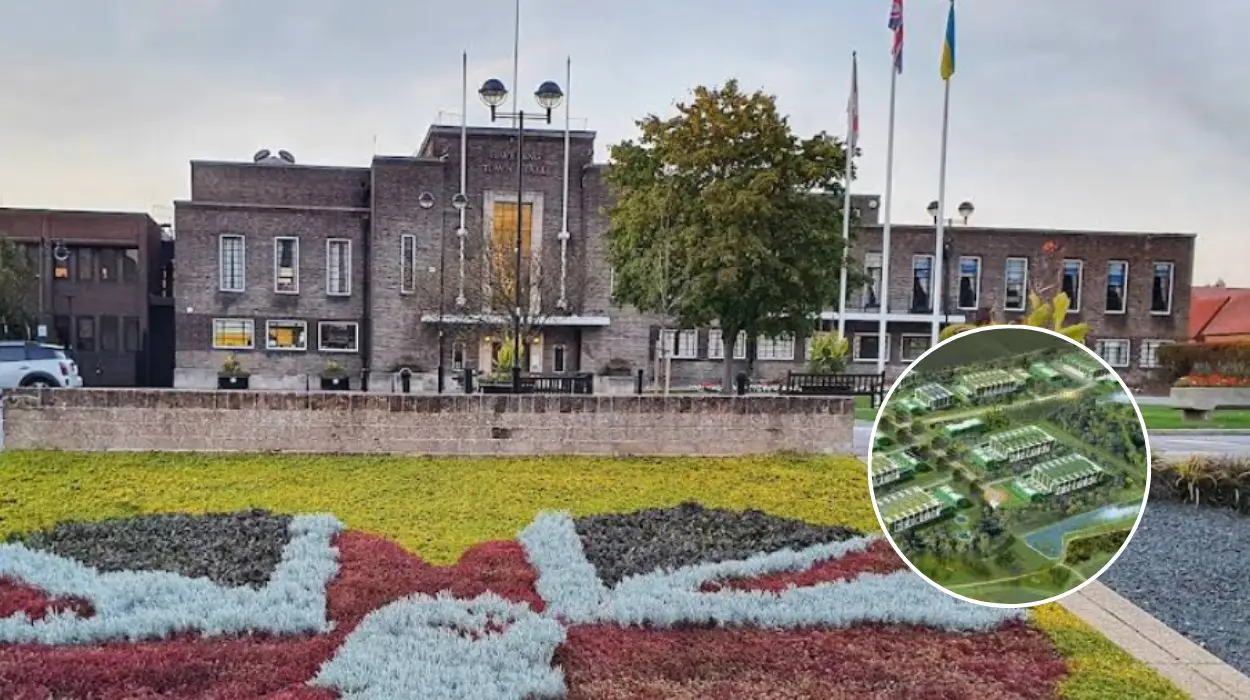
- The project involves building 15 warehouse-sized buildings containing 300,000 sqm of computer servers on green belt land near Fen Lane in North Ockendon.
- Havering Council is collaborating with private developer Digital Reef on the proposals, which have been “endorsed” by cabinet members.
- Digital Reef seeks approval via a Local Development Order (LDO), bypassing the need for a standard planning application; an LDO requires a minimum 28-day public consultation before adoption.
- This LDO route was first proposed more than two years ago, but no public consultation has occurred yet.
- Previous coverage highlights resident opposition to the plan and the dismantling of survey works on the site.
East Havering (East London Times) January 15, 2026 – Havering Council has clarified that a public consultation on the controversial East Havering Data Centre proposal near Upminster will not proceed this month, dispelling rumours sparked by an erroneous webpage preview. The authority blamed a “technical issue” after IT system upgrades for the mistake, which suggested a January 20 launch date. Residents and campaigners, already vocal against the green belt development, now await accurate timelines amid ongoing concerns over the project’s scale.
- Key Points
- Why Was the Consultation Date Delayed?
- What Is the East Havering Data Centre Proposal?
- How Does a Local Development Order Work Here?
- What Previous Coverage Highlights Resident Concerns?
- Who Is Involved in the Project?
- When Might Consultation Actually Happen?
- Why Does This Matter for Green Belt Land?
- What Are the Next Steps for Residents?
Why Was the Consultation Date Delayed?
The confusion arose from a preview page on Havering Council’s website, which prematurely indicated that “the consultation is open from XX January 2026 to XX February 2026”. As reported in initial coverage by the Romford Recorder, this led to speculation that the East Havering Data Centre plan was advancing rapidly to its statutory consultation phase. Havering Local Planning Authority, an independent department handling planning matters, swiftly intervened to correct the record. A spokesperson for the authority stated unequivocally: “The East Havering Data Centre consultation will not launch on 20 January.” This statement underscores the council’s commitment to transparency despite the administrative slip-up.
The root cause, according to the same spokesperson, was a “technical issue following major works to the council’s IT systems”. Such glitches are not uncommon in local government transitions to updated digital infrastructure, but they amplify public distrust in large-scale projects like this one. The council has extended a formal apology, noting: “We apologise for any confusion.” This episode highlights the challenges of managing public expectations in planning processes, particularly for developments encroaching on protected green belt land.
What Is the East Havering Data Centre Proposal?
The East Havering Data Centre envisions 15 warehouse-sized buildings packed with 300,000 square metres of computer servers on green belt land adjacent to Fen Lane in North Ockendon, a rural pocket near Upminster. As detailed on the council’s project webpage, Havering Council is “collaborating with private developer Digital Reef” to advance these proposals, which cabinet members have already “endorsed”. Digital Reef, the lead proponent, aims to secure permissions through a Local Development Order (LDO), a mechanism that grants automatic approval for predefined developments without individual planning applications.
This LDO pathway was first mooted over two years ago, positioning the site as a hub for data infrastructure amid surging demand for server capacity. Proponents argue it could boost local economic growth, but critics decry the loss of green belt, a designation meant to prevent urban sprawl. The Romford Recorder has tracked the project’s evolution, noting in one article that the plan has drawn significant resident opposition due to its industrial footprint in a semi-rural area. No full planning application has been lodged, relying instead on the LDO’s streamlined process.
How Does a Local Development Order Work Here?
A Local Development Order (LDO) streamlines approvals for specific developments, eliminating the need for case-by-case planning permissions. For the East Havering Data Centre, Digital Reef hopes this will expedite construction of the vast server farm. However, UK planning law mandates a public consultation lasting at least 28 days before any LDO adoption, ensuring community input. To date, no such consultation has materialised, despite the cabinet’s endorsement and two years of groundwork.
As per council documentation referenced in media reports, this collaboration between Havering Council and Digital Reef positions the authority as a facilitator rather than applicant. The Romford Recorder detailed in a related piece how survey works on the site were previously dismantled, signalling early hiccups. Residents have mobilised against the scheme, citing environmental impacts on North Ockendon’s green spaces. The failed January preview has only heightened scrutiny on whether the LDO route adequately safeguards public voice.
What Previous Coverage Highlights Resident Concerns?
Resident opposition has been a recurring theme in coverage of the East Havering Data Centre. In an article by the Romford Recorder, locals near Upminster voiced strong resistance to the plan, fearing it would industrialise green belt land vital for local ecology and quality of life. The same outlet reported the dismantling of survey equipment, interpreting it as a win for campaigners but a setback for Digital Reef’s timeline. These developments underscore the tension between data-driven economic ambitions and preserving East London’s fringe countryside.
Havering Council’s webpage acknowledges the project’s scale—15 buildings equivalent to vast warehouses—while framing it as a forward-looking partnership. Yet, without consultation, endorsements from cabinet members ring hollow to sceptics. The technical error has inadvertently spotlighted these divides, prompting questions about governance in planning.
Who Is Involved in the Project?
Key players include Digital Reef, the private developer spearheading the initiative, and Havering Local Planning Authority, managing the process independently. The council’s cabinet has endorsed the proposals, signalling political support within the borough. A spokesperson for the authority remains the public face, addressing the consultation gaffe directly.
No individual names from Digital Reef or council cabinet members appear in available statements, maintaining a corporate veil. Residents, though unnamed in core reports, represent a grassroots force, as chronicled by the Romford Recorder. Their opposition focuses on green belt integrity near Fen Lane.
When Might Consultation Actually Happen?
No revised date has been announced following the January error. The LDO requirement for a 28-day minimum consultation remains unmet after more than two years of proposal floating. Havering Council’s apology suggests internal reviews are underway, potentially tied to IT stabilisations.
Campaigners may push for delays, leveraging the mistake. The Romford Recorder’s links to opposition stories indicate momentum against the project, with survey dismantling as recent evidence. Until a firm timeline emerges, uncertainty prevails in East Havering.
Why Does This Matter for Green Belt Land?
Green belt land near North Ockendon serves as a buffer against London’s expansion, protecting farmland and wildlife corridors. The 300,000 sqm data centre risks permanent alteration, fuelling debates on “very special circumstances” needed to override protections. Digital Reef’s LDO bid tests these boundaries, endorsed by cabinet but contested locally.
The consultation error erodes trust, vital for contentious schemes. As Romford Recorder coverage shows, resident backlash could influence outcomes, echoing wider UK tensions over data hubs versus nature.
What Are the Next Steps for Residents?
Residents should monitor Havering Council’s project page for updates post-IT fixes. Engaging via formal channels once consultation launches is crucial, given the 28-day window. Opposition groups, as per prior reports, have proven effective in halting surveys.
The authority’s neutrality as an independent body offers recourse, though cabinet endorsement looms large. This saga reminds East Havering communities of their stake in planning democracy.