Key Points
- Havering Council’s official X account (formerly Twitter), @LBofHavering, was hacked in the early hours of Friday, January 9, 2026.
- Hackers reposted an obscene and inappropriate image on the council’s X page, prompting immediate action from the authority.
- The council believes the hack was carried out by a bot rather than an individual person.
- The inappropriate post appeared briefly; the Romford Recorder was alerted to it shortly after 4am on January 9, 2026.
- By 7.24am on January 9, 2026, the council acknowledged the hack publicly and began working to remove the post urgently.
- Havering Council issued an apology via X, stating: “This account has been hacked – we deeply apologise for the offensive post on here. We are working to address this urgently. Please use our website to contact us for any customer enquiries. Thank you.”
- The council temporarily took down the X account to address the breach.
- The obscene post was deleted, and the account has since been secured and restored.
- A spokesperson for Havering Council confirmed no other social media accounts were affected.
- The council described the incident as part of broader attacks on public bodies by malicious individuals and groups, emphasising ongoing vigilance.
- The spokesperson noted the council acted quickly to mitigate the issue.
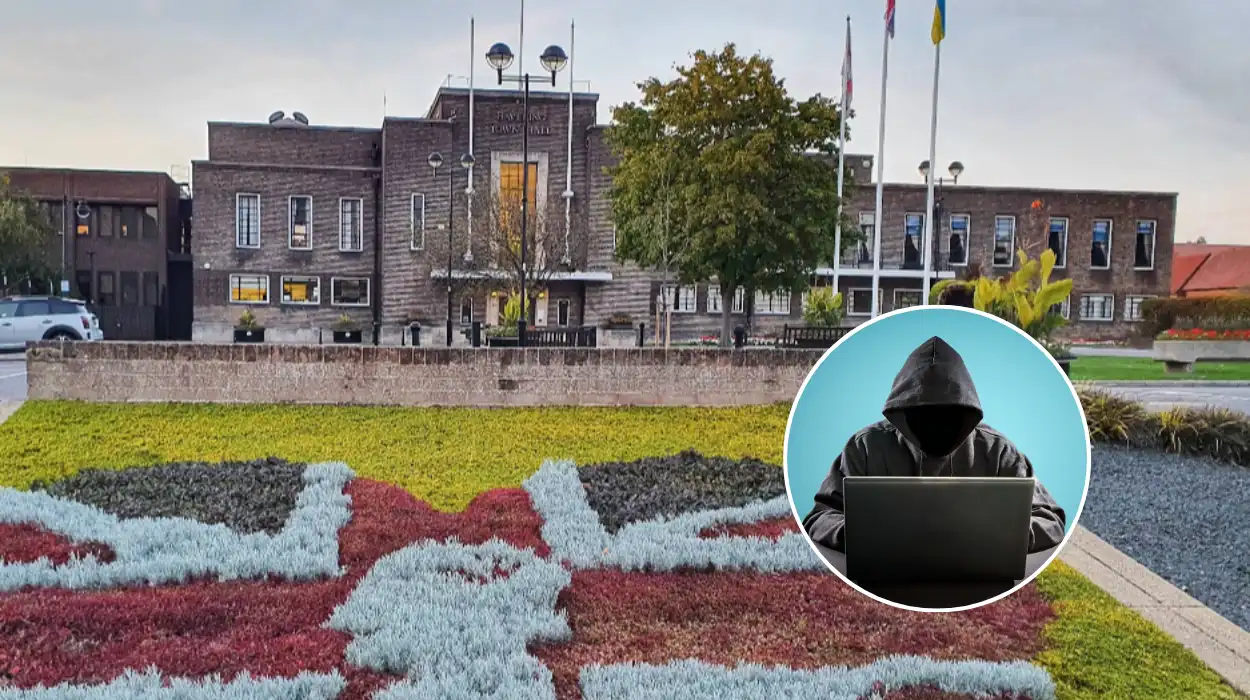
Havering, London (Romford Recorder) January 9, 2026 – Havering Council temporarily suspended its official X account after hackers reposted an obscene image in the early hours of Friday morning, prompting a swift apology and security overhaul.
- Key Points
- What Happened to Havering Council’s X Account?
- How Did the Hack Occur and Was It a Bot or Person?
- What Actions Did Havering Council Take Immediately?
- Were Any Other Havering Council Accounts Affected?
- Why Are Public Bodies Like Havering Council Frequent Targets?
- What Does This Mean for Havering Residents?
- How Is Havering Council Ensuring Future Security?
- What Broader Lessons Emerge from the Hack?
The London Borough of Havering confirmed the breach on its @LBofHavering X handle, believed to involve a bot rather than a human actor. By mid-morning, the offensive content was removed, and the account restored with enhanced protections. None of the council’s other social media platforms were impacted, according to an official spokesperson.
What Happened to Havering Council’s X Account?
The incident unfolded in the pre-dawn hours of January 9, 2026, when unauthorised access led to the reposting of inappropriate material on Havering Council’s prominent X page. As reported by the Romford Recorder, the media outlet was alerted to the obscene image shortly after 4am, highlighting the rapid visibility of the breach on a platform with significant public reach.
Havering Council acted decisively, posting an official statement at 7.24am:
“This account has been hacked – we deeply apologise for the offensive post on here. We are working to address this urgently. Please use our website to contact us for any customer enquiries. Thank you.” —
Havering Council (@LBofHavering) January 9, 2026. This direct communication underscored the authority’s commitment to transparency amid the disruption.
The exact duration the post remained online remains unclear, but the council’s prompt response prevented prolonged exposure. The account suspension was a precautionary measure, allowing technicians to purge the content and fortify defences.
How Did the Hack Occur and Was It a Bot or Person?
A spokesperson for Havering Council provided key details on the nature of the intrusion.
“We found that our X account had been hacked and an inappropriate post was reposted on the site,”
the spokesperson stated, as quoted in the Romford Recorder coverage.
“We believe this was done by a bot rather than an individual.”
This attribution to automated software aligns with patterns seen in similar cyberattacks on public sector accounts, where bots exploit vulnerabilities for rapid dissemination of malicious content. The spokesperson elaborated:
“We temporarily took the account down and deleted the post. We have ensured it is secure and protected and will continue to monitor the site.”
No specific method of entry—such as phishing, weak passwords, or API exploits—was disclosed, reflecting standard protocol to avoid aiding further attacks. The focus remained on containment and recovery.
What Actions Did Havering Council Take Immediately?
Response speed defined the council’s handling of the crisis. Within hours of detection, the X account was taken offline, the obscene repost erased, and security protocols updated. The 7.24am tweet served dual purposes: alerting followers and directing enquiries to the council’s website, ensuring continuity of service.
“Sadly, we are in a world where all public bodies are subject to such attacks by malicious individuals and groups and we remain vigilant,”
the spokesperson added in the Romford Recorder report. “In this case we were able to act quickly.” This vigilance includes ongoing monitoring, as confirmed post-restoration.
By Friday afternoon, the account was fully operational again, with the spokesperson verifying its security. Public reassurance was paramount, especially given the council’s role in serving Havering residents on matters from housing to local services.
Were Any Other Havering Council Accounts Affected?
The spokesperson explicitly ruled out wider impact:
“The spokesperson added that none of the council’s other social media accounts were affected by the hack,”
according to the Romford Recorder. Platforms such as Facebook, Instagram, or LinkedIn remained untouched, isolating the breach to X.
This containment reflects robust segmentation of digital assets, a best practice for local authorities. Havering Council’s multi-channel presence continues uninterrupted, with residents urged to use official websites for reliable contact.
Why Are Public Bodies Like Havering Council Frequent Targets?
Contextualising the event, the spokesperson framed it within a hostile digital landscape:
“Sadly, we are in a world where all public bodies are subject to such attacks by malicious individuals and groups,”
as reported by the Romford Recorder. High-profile accounts like @LBofHavering offer visibility for disruptors seeking to embarrass or mislead.
Bots, in particular, amplify reach efficiently, reposting content before detection. Havering’s quick resolution—”we were able to act quickly”—demonstrates preparedness honed by prior threats. The council’s vigilance pledge signals sustained investment in cybersecurity.
What Does This Mean for Havering Residents?
For the borough’s 260,000 residents, the incident disrupts little beyond momentary shock. Enquiries are redirected to havering.gov.uk, maintaining access to essential services. The apology tweet reinforced trust: “We deeply apologise for the offensive post on here.”
No data breaches or service interruptions were reported, preserving operational integrity. Residents can expect the X account’s return to normal programming on local news, events, and policy updates, now under tighter safeguards.
How Is Havering Council Ensuring Future Security?
Post-incident measures prioritise prevention.
“We have ensured it is secure and protected and will continue to monitor the site,”
the spokesperson assured, per Romford Recorder attribution. This includes potential multi-factor authentication enhancements, regular audits, and staff training—standard for UK councils.
The emphasis on vigilance—”we remain vigilant”—positions Havering as proactive. Collaboration with platforms like X and cybersecurity firms may follow, mirroring responses by peers like neighbouring London boroughs.
What Broader Lessons Emerge from the Hack?
This episode underscores escalating cyber risks for local government. Obscene content undermines public trust, yet Havering’s model—detect, disclose, secure—offers a blueprint. As bots evolve, councils must balance openness with defence.
Media scrutiny, via outlets like the Romford Recorder, ensures accountability without sensationalism. The story closes with restored access, but the threat persists, demanding eternal watchfulness from public servants.