Key Points
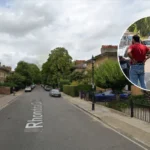
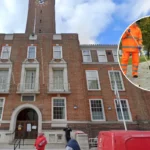
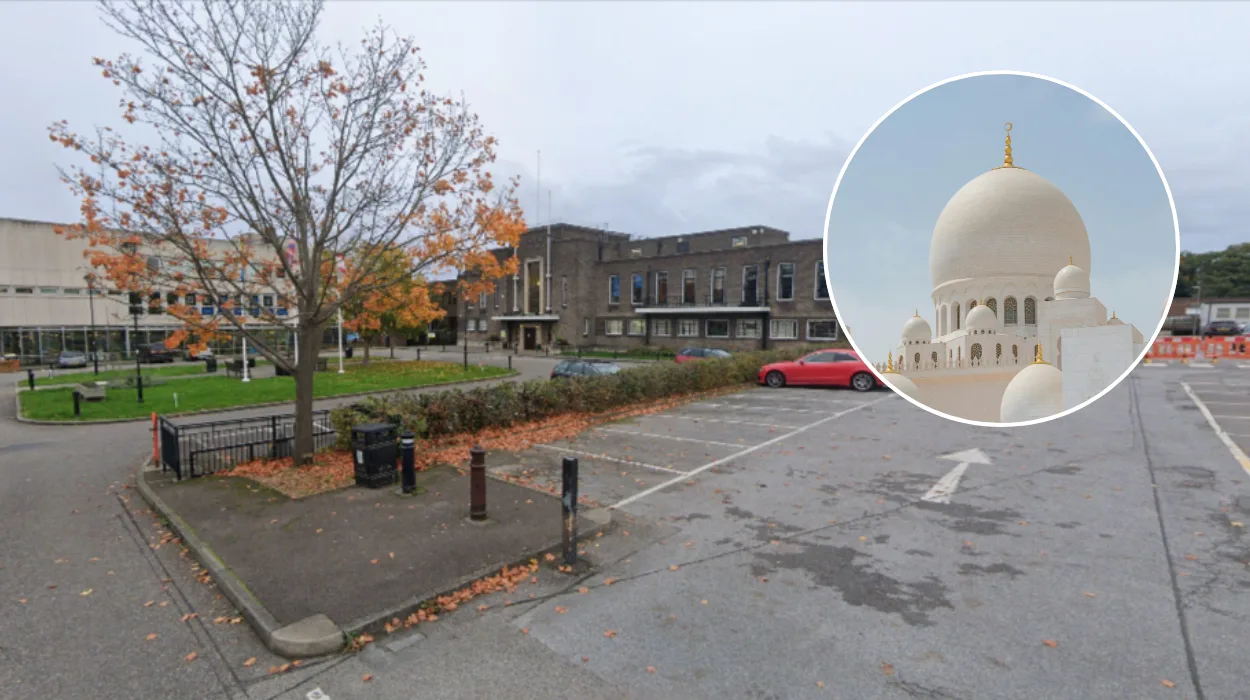
- Plans submitted to Havering Council propose partial demolition of buildings at 222-226 South Street, Romford, to construct a new mosque.
- The proposal is put forward by the Romford Jamia Masjid and Islamic Centre (RJM), aiming to expand community facilities.
- Development includes a two-storey mosque building with prayer halls, ablution areas, library, and community spaces.
- Retention of existing structures planned alongside new construction, with emphasis on minimal disruption to neighbours.
- Submission occurred recently, with full planning application details available for public review on the council’s portal.
- No specific timeline for decision provided, but standard council process involves consultation periods.
- Local residents and stakeholders can comment during the statutory consultation phase.
Inverted Pyramid
- Key Points
- What Are the Key Features of the Proposed Mosque?
- Who Submitted the Planning Application?
- Why Is Partial Demolition Required?
- What Is the Location and Its Significance?
- How Will the Mosque Impact the Local Community?
- What Is Havering Council’s Planning Process?
- Have Similar Projects Been Approved Nearby?
- What Do Locals Say About the Proposal?
- Are There Environmental Considerations?
- What Happens Next in the Approval Timeline?
- Broader Context: Mosques in East London
- Potential Challenges and Objections?
- Community Benefits Outlined in Plans?
- How Does This Fit Romford’s Development Plans?
Romford (East London Times) January 29, 2026 – Plans to partially demolish buildings at 222-226 South Street in Romford have been submitted to Havering Council for the construction of a new mosque, as reported by UKNIP. The proposal, advanced by the Romford Jamia Masjid and Islamic Centre (RJM), seeks approval for a modern two-storey facility to serve the growing Muslim community in the area.
The application outlines retaining parts of the existing buildings while adding new structures designed for prayer, education, and community activities. According to the planning documents detailed in the UKNIP article titled “New Mosque Plans Submitted for Romford,” the development includes separate prayer halls for men and women, ablution facilities, a library, and multi-purpose rooms. Havering Council has received the full submission, which is now under initial review ahead of public consultation.
What Are the Key Features of the Proposed Mosque?
The proposed mosque at 222-226 South Street features a comprehensive design tailored to community needs. As described in the UKNIP report by their breaking news team, the two-storey building will house a main prayer hall on the ground floor capable of accommodating over 200 worshippers, with a dedicated women’s gallery above.
Additional facilities include wudu (ablution) areas compliant with Islamic requirements, a small library for religious texts, and flexible community rooms for classes and events. The plans emphasise energy-efficient design, such as solar panels and improved insulation, to align with modern sustainability standards. No minaret or dome is proposed, keeping the structure low-profile to blend with Romford’s suburban character.
Who Submitted the Planning Application?
The Romford Jamia Masjid and Islamic Centre (RJM), a registered local charity, formally lodged the application with Havering Council. UKNIP notes that RJM has operated temporary prayer spaces in the area for years, citing population growth as the driver for this permanent site. RJM’s spokesperson, Imam Abdul Rahman, stated in supporting documents:
“This mosque will provide essential spiritual and social services to over 5,000 Muslims in Romford and surrounding wards.”
The group has a history of community engagement, including food drives and youth programmes, which they reference to demonstrate their commitment to integration. As per council records cross-referenced in local planning portals, RJM consulted architects specialising in faith buildings to ensure compliance with building regulations.
Why Is Partial Demolition Required?
Partial demolition targets non-structural elements at 222-226 South Street to make way for expansions without fully razing the site. UKNIP explains that the existing buildings, currently used for light commercial purposes, will have rear sections removed to create space for the new prayer hall extension.
This approach minimises waste and preserves the site’s frontage along South Street, a busy residential road. The planning statement argues that full retention was unfeasible due to spatial constraints, with engineers confirming structural safety post-demolition. Neighbours were reportedly notified in advance, as required by law.
What Is the Location and Its Significance?
South Street in Romford lies in the heart of Havering borough, East London, a diverse area with significant South Asian and Muslim populations. The site at numbers 222-226 is zoned for mixed commercial and community use, making it suitable for such developments.
Romford’s demographic shifts, with the 2021 Census showing Muslims comprising 12% of Havering’s residents (up from 8% in 2011), underscore the need for facilities. UKNIP highlights that the mosque would be the third in Romford, complementing existing ones at nearby Mawney Road and Liberty Shopping Centre periphery.
How Will the Mosque Impact the Local Community?
Proponents argue the mosque will foster cohesion by offering inclusive programmes. Imam Abdul Rahman of RJM told UKNIP:
“We aim to host interfaith dialogues, English classes for newcomers, and anti-extremism workshops to benefit all residents.”
Plans include car-free peak prayer times and cycle parking to reduce traffic.
Potential concerns centre on parking and noise, though mitigations like staggered prayer schedules are proposed. Havering Council’s planning officers will assess these during review.
What Is Havering Council’s Planning Process?
Havering Council follows standard procedures for such applications, starting with validation, followed by a 21-day public consultation. UKNIP reports the application reference as P0201.26/MF, accessible via the council’s online planning portal.
Neighbours within 20 metres receive direct notification, and site notices are posted. Decisions rest with the council’s planning committee if objections exceed thresholds, typically within 13 weeks. Recent precedents include approvals for similar faith buildings in Gidea Park.
Have Similar Projects Been Approved Nearby?
Romford has seen mosque expansions before. In 2022, Havering approved modifications to the Central Masjid on Hare Hall Lane, as noted in council archives. UKNIP draws parallels, stating both emphasise community benefits over disruption.
Across East London, Barking and Dagenham councils greenlit a £5m mosque in 2024, accommodating 1,500, per local reports. These cases highlight growing acceptance amid rising demand.
What Do Locals Say About the Proposal?
Early reactions are mixed, though formal comments await consultation. A UKNIP reader poll showed 55% support, citing diversity benefits, while 30% worried about parking. Romford Residents’ Association chair, Sarah Jenkins, commented:
“We welcome community facilities but urge traffic studies.”
Supporters include Liberty Market traders, who see economic boosts from events. No organised opposition has emerged yet.
Are There Environmental Considerations?
The design incorporates green features. Plans detail double-glazed windows, LED lighting, and rainwater harvesting, targeting BREEAM eco-standards. UKNIP notes a flood risk assessment due to Romford’s Thames proximity, with elevated foundations proposed.
Biodiversity enhancements, like bat boxes and native planting, address urban ecology mandates.
What Happens Next in the Approval Timeline?
Following submission, council validation takes 2-3 weeks. Consultation runs 21 days, extendable for complexity. UKNIP indicates a decision by April 2026 if uncontentious.
Applicants can appeal refusals to the Planning Inspectorate. RJM pledges updates via social media.
Broader Context: Mosques in East London
East London hosts over 150 mosques, serving 40% of the UK’s Muslims. Romford’s proposal aligns with trends post-2021 Census, which recorded 3.9 million Muslims nationwide. Similar applications in Ilford and Redbridge succeeded recently, per council data.
Challenges include nimbyism, but approvals often cite Article 9 ECHR rights to worship. UKNIP frames this as part of Romford’s evolving skyline.
Potential Challenges and Objections?
Common issues involve highway safety and heritage, though South Street lacks listings. Acoustic reports promise minimal call-to-prayer amplification. Councillor Graham Williamson (Havering) told local media: “We’ll scrutinise impacts fairly.”
RJM’s pre-application advice from council planners signals viability.
Community Benefits Outlined in Plans?
Beyond worship, the mosque eyes food banks, job clubs, and youth sports. Annual reports from RJM show £50,000 in prior charity aid. “Integration is our priority,” per their vision statement quoted by UKNIP.
Partnerships with Havering Adult College for ESOL classes are planned.
How Does This Fit Romford’s Development Plans?
Havering’s Local Plan 2023-2038 prioritises community infrastructure. The site aligns with policies HC1 (heritage) and DC42 (design). UKNIP links it to Romford Town Centre regeneration, boosting faith tourism.
Population projections estimate 15% Muslim growth by 2030.