Key Points
- Countless residents across Havering are opposing proposals for development on Green Belt land.
- Spring and summers were once full of birds, with trees serving as their habitats and swallows marking the start of summer.
- Endless insects were noticeable in gardens, while foxes were heard at night and badger setts were visible in fields.
- Wildlife across the UK has been in long-term decline, with average species abundance falling by nearly 19 per cent since records began in 1970.
- Almost one in six species is now at risk of being lost from Great Britain, affecting birds, amphibians, reptiles, fungi, and mammals.
- Woodland bird numbers have fallen sharply over recent decades, driven mainly by habitat loss and degradation.
- Trees are vital for producing clean air, yet public campaigns for clean air coexist with failures to protect these trees.
- London is home to more than eight million trees, supporting over 13,000 species of wildlife, including more than 300 bird species and 1,500 flowering plants.
- Biodiversity in London faces ongoing threats from habitat loss and fragmentation.
- Despite planting efforts, woodland condition across the UK remains poor.
- A major new report indicates woodland birds have reduced by around 37 per cent in the past 50 years.
- The population of dormice in surveyed woodlands has fallen by about 70 per cent between 2000 and 2022.
- Plant species richness has declined by more than 20 per cent over the long term.
- Development proceeds at a time when the need for trees and wildlife habitat has never been more pressing.
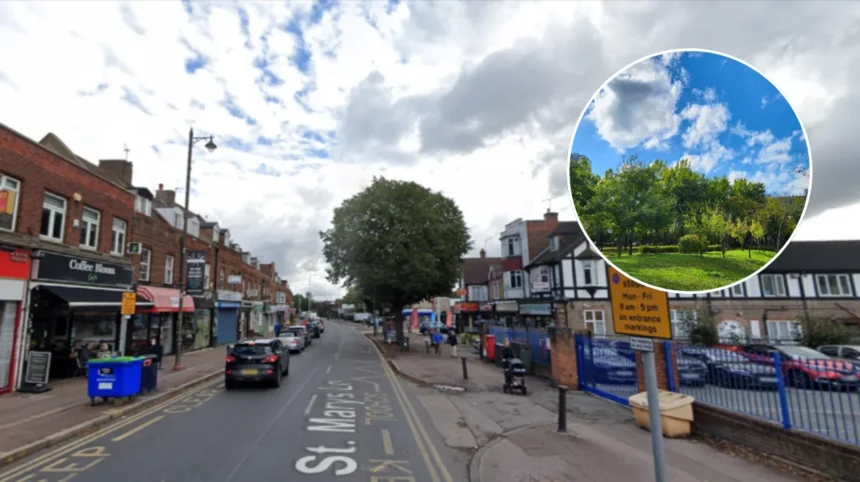
- In Hornchurch, two car parks that once had trees on their borders have now lost those trees, representing another loss of habitat.
- Trees serve as homes to wildlife, support insects, birds, and mammals, and play a vital role in mitigating pollution and buffering urban heat.
- Residents are fighting proposed developments on Green Belt land in Hornchurch and North Ockendon, areas rich in wildlife and cherished by local communities.
- These areas have been home to foxes, birds, insects, and other species thriving over generations.
- London’s wildlife and trees are part of the shared environment, with their decline reflecting wider national and global trends documented by scientists and conservation organisations over many years.
- Protecting trees and wildlife is essential for safeguarding ecosystems that support clean air, climate resilience, and biodiversity for current and future generations.
- Actions today will determine whether the natural richness of the borough endures or continues to diminish.
Havering (East London Times) February 11, 2026 – Residents across Havering are voicing fierce opposition to proposed developments on Green Belt land, highlighting a stark contradiction between campaigns for clean air and the ongoing destruction of trees that provide it. In areas like Hornchurch and North Ockendon, cherished wildlife habitats face imminent threats, as locals rally to protect foxes, birds, insects, and ancient trees from urban expansion. This growing conflict underscores broader UK trends of biodiversity loss, with studies revealing sharp declines in species abundance since 1970.
- Key Points
- What Sparks Resident Opposition in Havering?
- Why Has UK Wildlife Declined So Dramatically?
- How Do Trees Contribute to Clean Air and Biodiversity?
- Which Specific Areas Face the Greatest Threats?
- What Broader Implications Arise from Habitat Loss?
- How Does This Reflect National and Global Trends?
- What Role Do Communities Play in Conservation?
- Why Is Timing Critical for Tree Protection?
What Sparks Resident Opposition in Havering?
Communities in Havering are united in their resistance to development plans that target Green Belt land, places long revered for their natural bounty. As detailed in the original coverage by The Havering Daily, countless residents are opposing these proposals, reminiscing about springs and summers filled with birdsong, where trees provided essential habitats and swallows signalled summer’s arrival. Endless insects once buzzed in gardens, foxes echoed through the night, and badger setts dotted the fields, painting a vivid picture of a thriving ecosystem now under siege.
The piece emphasises how these areas in Hornchurch and North Ockendon remain rich in wildlife, home to foxes, birds, insects, and other species that have thrived over generations. Residents view these spaces not merely as scenic backdrops but as vital components of their shared environment. “Let us take a step back in time,” the article urges, evoking nostalgia for a time when wildlife was ever-present, a sentiment echoed by locals fighting to preserve what remains.
This opposition gains urgency amid recent local losses, such as in Hornchurch where two car parks bordering trees have seen those trees felled. It may seem insignificant to some, the report notes, but it constitutes another critical habitat erosion.
Why Has UK Wildlife Declined So Dramatically?
Studies paint a grim picture of biodiversity loss across the UK, forming the backbone of the Havering narrative. As reported in The Havering Daily, wildlife has been in long-term decline, with average species abundance falling by nearly 19 per cent since records began in 1970. Almost one in six species now risks extinction from Great Britain, impacting birds, amphibians, reptiles, fungi, and mammals alike.
Woodland bird numbers have plummeted sharply over recent decades, with habitat loss and degradation identified as primary drivers. A major new report, cited within the article, reveals woodland birds have decreased by around 37 per cent in the past 50 years. The population of dormice in surveyed woodlands has fallen by about 70 per cent between 2000 and 2022, while plant species richness has declined by more than 20 per cent over the long term.
These figures align with national trends, where despite ongoing tree-planting efforts, woodland condition remains poor. The report stresses that development presses forward precisely when trees and habitats are most needed.
How Do Trees Contribute to Clean Air and Biodiversity?
Trees stand at the heart of the controversy, lauded for their indispensable role yet increasingly vulnerable. The Havering Daily highlights the irony: public campaigns promote clean air, yet trees—the very producers of that air—go unprotected. London alone hosts more than eight million trees, supporting over 13,000 species of wildlife, including more than 300 bird species and 1,500 flowering plants.
Biodiversity faces persistent threats from habitat loss and fragmentation, even as these green giants mitigate pollution, buffer urban heat, and house wildlife. Trees serve as homes for insects, birds, and mammals, playing a pivotal part in ecosystems under strain. “Trees are vital,” the article asserts, underscoring their role in climate resilience.
In Hornchurch, the removal of border trees from car parks exemplifies small but cumulative losses. These actions, though seemingly minor, compound the broader crisis, eroding the natural infrastructure that sustains life.
Which Specific Areas Face the Greatest Threats?
Hornchurch and North Ockendon emerge as focal points of contention, their Green Belt lands prized by communities. As per The Havering Daily, residents are battling proposals here, where wildlife has flourished for generations. Foxes prowl, birds nest, and insects abound in these havens, now imperilled by development.
The article frames these sites as microcosms of London’s environmental heritage, part of a shared legacy reflecting national declines documented by scientists and conservation organisations over decades. London’s wildlife and trees, it argues, mirror wider global patterns.
Protecting such areas transcends aesthetics; it is about preserving clean air, resilience against climate change, and biodiversity for future generations.
What Broader Implications Arise from Habitat Loss?
The stakes extend far beyond Havering, touching on existential questions of environmental stewardship. The Havering Daily warns that current actions will dictate whether the borough’s natural richness endures or fades. Development at this juncture ignores the pressing need for habitats, exacerbating declines in birds, mammals, and plants.
Habitat loss drives the crisis, from woodland birds’ 37 per cent drop to dormice’s 70 per cent plunge. Plant diversity’s 20 per cent long-term fall compounds the issue, weakening ecosystems reliant on interconnected species.
The report calls for recognition that safeguarding trees is not optional but imperative for clean air and climate stability. Residents’ fight embodies a larger imperative: to halt the diminishment of natural wealth.
How Does This Reflect National and Global Trends?
Havering’s struggle mirrors documented patterns across the UK and beyond. As The Havering Daily reports, scientists and conservation bodies have tracked these declines for years, with woodland conditions deteriorating despite planting initiatives. The 19 per cent species abundance loss since 1970, coupled with one in six species at risk, signals a crisis.
London’s eight million trees sustain vast biodiversity—13,000 species, 300 birds, 1,500 plants—yet fragmentation persists. Global echoes amplify the urgency, as urban expansion clashes with conservation needs.
The article positions local battles within this context, urging a reevaluation of priorities.
What Role Do Communities Play in Conservation?
Local residents emerge as frontline defenders, their opposition a clarion call. In Hornchurch and North Ockendon, communities cherish these lands, drawing on memories of abundant wildlife to fuel their campaign. The Havering Daily captures their resolve, from nocturnal foxes to visible badger setts.
This grassroots push highlights public disconnect from policy, where clean air rhetoric falters against tree felling. By fighting Green Belt incursions, residents advocate for ecosystems benefiting all.
Their efforts underscore that preservation demands collective action, ensuring natural riches persist.
Why Is Timing Critical for Tree Protection?
Development accelerates as environmental needs peak, a paradox The Havering Daily decries. With wildlife in freefall—37 per cent fewer woodland birds, 70 per cent fewer dormice—habitat retention is paramount. Trees’ pollution-mitigating, heat-buffering roles have never been more vital amid urban pressures.
Local losses, like Hornchurch’s car park trees, signal systemic failure. The report implores immediate safeguarding to avert irreversible biodiversity erosion.
Future generations hinge on today’s choices, as the borough’s fate exemplifies.