Key Points
- Romford MP Andrew Rosindell, who defected from the Conservatives to Reform UK last month, announced at a Reform UK rally in Romford that Havering residents would receive a vote on leaving Greater London to rejoin Essex as a self-governing unitary authority under a Reform UK government led by Nigel Farage as Prime Minister.
- Rosindell emphasised that Havering is not part of east London but Essex, stating: “We are not east London, we are Essex.”
- The proposed change would involve legislation to alter Havering’s status within Greater London and restore its “independence” from City Hall and the Mayor of London.
- Rosindell vowed that the next Reform UK government would grant Havering this choice to “break free” and become a self-governing unitary authority once again.
- The event occurred on Monday at a Reform UK gathering in Romford, attended by supporters.
- This pledge aligns with Reform UK’s broader agenda under Nigel Farage’s leadership.
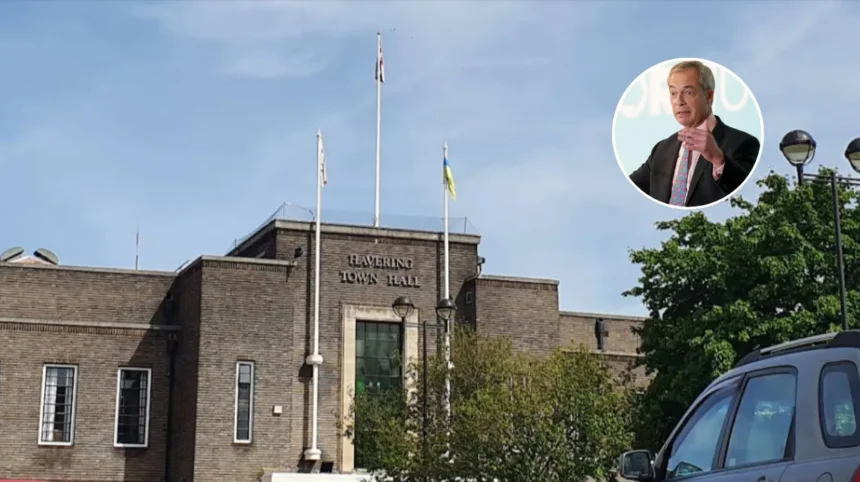
Romford (East London Times) February 16, 2026 – Andrew Rosindell, the Romford MP who recently defected from the Conservatives to Reform UK, has pledged that Havering borough would hold an “independence” vote on severing ties with Greater London if Nigel Farage becomes Prime Minister, as announced at a Reform UK rally in Romford on Monday.
- Key Points
- Who Is Andrew Rosindell and Why Did He Defect to Reform UK?
- What Did Andrew Rosindell Exactly Say at the Reform UK Rally?
- Why Does Havering Identify More with Essex Than East London?
- What Legislation Is Needed for Havering’s Status Change?
- Who Would Decide Havering’s Fate – Residents or Reform UK?
- What Is Reform UK’s Broader Vision for Local Governance?
- Details of the Romford Rally Event
- How Might This Affect City Hall and the Mayor of London?
- Could This Spark a Wave of Borough Independence Votes?
- Who Is Nigel Farage and His Role in This Pledge?
- Local Reactions to the Independence Proposal?
- Historical Context of Havering’s London Ties?
Rosindell told the enthusiastic crowd of Reform UK supporters that residents would choose whether to remain Londoners or rejoin Essex as a self-governing unitary authority. He framed the proposal as restoring Havering’s historical identity, declaring emphatically: “We are not east London, we are Essex.”
The MP outlined that achieving this status change would necessitate new legislation to detach Havering from City Hall’s oversight. Under a future Reform UK administration, this vote would empower locals to “break free of the Mayor of London,” Rosindell assured the audience.
Who Is Andrew Rosindell and Why Did He Defect to Reform UK?
Andrew Rosindell, the long-serving MP for Romford, made headlines last month by defecting from the Conservative Party to join Reform UK. As reported in coverage of his switch, Rosindell cited frustrations with the Tories’ direction as a key factor in his decision to align with Nigel Farage’s party.
Rosindell’s move bolsters Reform UK’s presence in east London and Essex border areas, where local identity debates have simmered for years. At the Romford rally, he positioned himself as a champion of Havering’s distinct heritage, separate from the capital’s governance.
This defection underscores Reform UK’s growing momentum, particularly in suburban and outer London constituencies disillusioned with mainstream parties.
What Did Andrew Rosindell Exactly Say at the Reform UK Rally?
As reported by journalists covering the event for the Evening Standard, Andrew Rosindell addressed Reform UK supporters on Monday with a clear pledge. He stated:
“To change Havering’s status within Greater London and restoring our independence from City Hall will require legislation.”
Rosindell continued:
“So, the next Reform UK Government under Prime Minister Nigel Farage…will give Havering a choice, a choice to break free of the Mayor of London and become a self-governing unitary authority once again.”
These remarks, delivered in Romford, highlight Rosindell’s vision for local empowerment, directly attributing the policy to a hypothetical Reform UK-led government with Farage at the helm.
Why Does Havering Identify More with Essex Than East London?
Rosindell’s rally speech repeatedly stressed Havering’s Essex roots, rejecting its classification as east London. He asserted to the crowd: “We are not east London, we are Essex,” tapping into longstanding local sentiments about cultural and administrative separation.
Havering, one of London’s outer boroughs, shares historical ties with Essex, including geography and community identity. Residents have long voiced concerns over being lumped into Greater London’s framework, particularly under City Hall’s authority.
This narrative of reclaiming “independence” resonates in areas feeling overshadowed by central London policies on housing, transport, and taxation.
What Legislation Is Needed for Havering’s Status Change?
Rosindell specified that altering Havering’s position would demand parliamentary legislation. As he explained at the rally, this would formally detach the borough from Greater London, potentially reintegrating it into Essex administration.
The MP envisioned a referendum offering residents a binary choice: stay as Londoners or become a standalone unitary authority. Unitary authorities in England operate with unified local government powers, bypassing higher regional oversight like that of the Greater London Authority.
Who Would Decide Havering’s Fate – Residents or Reform UK?
Under Rosindell’s proposal, Havering residents would directly vote on the matter if Reform UK forms the next government. He framed it as empowerment:
“Havering residents would get a choice to remain Londoners or rejoin Essex.”
This democratic mechanism mirrors past devolution referendums, such as those on Scottish independence, but scaled to borough level. Rosindell tied the timeline explicitly to Nigel Farage assuming the premiership.
What Is Reform UK’s Broader Vision for Local Governance?
Nigel Farage’s Reform UK has campaigned on decentralising power from Westminster and regional bodies like City Hall. Rosindell’s announcement fits this manifesto strand, promising tailored solutions for areas like Havering.
The party positions such votes as restoring sovereignty to communities alienated by metropolitan elites. At the rally, Rosindell invoked Farage’s leadership as the catalyst:
“The next Reform UK Government under Prime Minister Nigel Farage.”
Critics might view this as populist rhetoric, but supporters see it as practical localism addressing real grievances.
Details of the Romford Rally Event
The pledge came during a Reform UK event in Romford on Monday, drawing local supporters eager for change. Romford, within Havering, served as a symbolic venue given Rosindell’s constituency ties.
Journalistic accounts note the electric atmosphere, with Rosindell’s Essex identity remarks eliciting strong applause. This timing aligns with Reform UK’s post-election consolidation efforts in 2026.
How Might This Affect City Hall and the Mayor of London?
Rosindell’s plan directly challenges the Greater London Authority’s remit, aiming to “break free of the Mayor of London.” Success could embolden similar bids from other outer boroughs like Bexley or Bromley, fragmenting London’s structure.
City Hall oversees transport, policing, and planning across boroughs; Havering’s exit would require renegotiating these services. Essex County Council might welcome reintegration, boosting its footprint.
Could This Spark a Wave of Borough Independence Votes?
While focused on Havering, Rosindell’s vow hints at a template for others. Reform UK’s rhetoric of “self-governing unitary authority” could inspire campaigns in Essex-adjacent areas.
Precedents exist in England’s local government reorganisations, such as Buckinghamshire’s unitary shift. However, implementing this demands national legislation, hinging on Reform UK’s electoral fortunes.
Who Is Nigel Farage and His Role in This Pledge?
Nigel Farage, Reform UK leader, was central to Rosindell’s vision despite not attending the rally. The MP repeatedly referenced “Prime Minister Nigel Farage,” projecting him as the enabler of Havering’s vote.
Farage’s national profile, built on Brexit advocacy, lends weight to such localist promises. His party’s surge positions these ideas as viable policy, not mere rhetoric.
Local Reactions to the Independence Proposal?
Direct resident responses remain emerging post-rally, but Rosindell’s audience reaction was positive. Supporters cheered the Essex reclamation narrative, reflecting underlying support in Romford.
Broader commentary may follow from Havering Council, Labour opponents, and Essex leaders. Neutral observers note the proposal’s novelty in London’s political landscape.
Historical Context of Havering’s London Ties?
Havering joined Greater London in 1965 under boundary changes, severing formal Essex links. Rosindell seeks to reverse this, invoking “restoring our independence.”
Past campaigns for detachment have surfaced, but none with a major party’s backing until now. This rally marks a formal pledge, elevating the issue.