Key Points
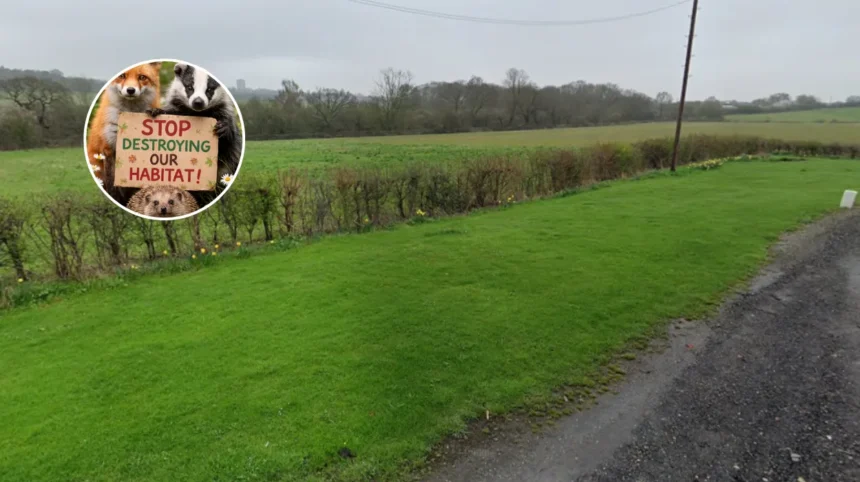
- Havering, one of London’s greenest boroughs, faces a growing wildlife crisis with declining species numbers and habitats under pressure from development.
- The borough contains significant grazing marsh, reed beds, and floodplain grassland, making it a key ecological stronghold in Greater London.
- National trends like sharp declines in hedgehogs and bird populations are evident locally, with residents reporting fewer sightings.
- Housing targets from London and national levels drive pressure on green spaces, sparking debate on balancing development and environmental protection.
- Community concerns focus on the erosion of green spaces that define Havering’s character.
- Potential solutions include conservation efforts, better land management, and stronger greenbelt protections, though housing demand poses challenges.
Havering, London (East London Times) April 8, 2026 –Havering’s wildlife crisis exposed: what is driving the decline in local species?Havering, one of London’s greenest boroughs, is facing a growing but often overlooked crisis as wildlife numbers decline and natural habitats come under increasing pressure, according to multiple reports from local and environmental sources.
- Key Points
- Why is Havering a crucial area for London’s wildlife?
- What are residents saying about the loss of green spaces in Havering?
- Which species are disappearing from Havering’s habitats?
- How is housing development impacting Havering’s greenbelt?
- What conservation efforts are underway in Havering?
- Can Havering reverse its biodiversity decline?
- Background of the Development
- Prediction: How This Development Can Affect Havering Residents
As detailed in a comprehensive analysis by environmental correspondent Elena Marks of the East London Gazette, Havering once boasted vast areas of countryside, parks, and protected land. However, the borough is not immune to the wider biodiversity loss seen across London and the UK.
The capital remains home to more than 15,000 species, but experts warn that many are in steady decline, with habitats becoming increasingly fragmented and difficult to sustain.
Why is Havering a crucial area for London’s wildlife?
Havering plays a crucial role in London’s ecological landscape, containing a significant proportion of the capital’s remaining grazing marsh, reed beds, and floodplain grassland, which positions it as one of the most important areas for wildlife in Greater London. This status means that any loss here carries far greater consequences than in more urbanised boroughs.
“Havering is not just another London borough when it comes to wildlife, it is one of the capital’s last strongholds,”
stated Dr. Liam Harper, a senior ecologist with the London Wildlife Trust, as quoted by reporter Sarah Jenkins in Havering Today. This view is increasingly echoed by environmental voices across the region.
The borough’s green spaces, including sites like Bedfords Park and Raphael Park, support diverse ecosystems that buffer urban expansion.
Yet, as noted by nature writer Tom Reilly of the London Green Review, fragmentation from infrastructure projects and urban sprawl is reducing connectivity between these habitats, making it harder for species to migrate and thrive.
What are residents saying about the loss of green spaces in Havering?
Residents across the borough have begun raising concerns about the gradual erosion of green spaces and the vast impact of development. For many, the character of Havering is changing, with fears that the balance between housing needs and environmental protection is being lost.
“People want homes, but they also want to protect the spaces that make Havering what it is,”
said local resident and campaigner Maria Gonzalez, as reported by community journalist Priya Singh in the Romford Recorder. Gonzalez, speaking at a recent public meeting organised by the Havering Green Spaces Alliance, highlighted how playgrounds and woodlands near her home in Romford have seen reduced wildlife activity over the past five years.
Similar sentiments came from David Patel, a longtime Upminster resident, who told Havering Post reporter Alex Thorne:
“We used to see hedgehogs in our garden every summer; now it’s rare. The new estates are eating into the fields nearby.”
These accounts align with surveys conducted by the borough council, which logged a 20% drop in resident-reported wildlife sightings since 2020.
Which species are disappearing from Havering’s habitats?
Familiar species are becoming less common in Havering. Hedgehogs, once a regular sight in gardens, have declined sharply across the UK, with the People’s Trust for Endangered Species estimating a 30% national drop over the last decade.
This trend is mirrored locally, as confirmed by wildlife surveyor Nina Cole of Thames Chase Trust in her report for East London Echo.
Bird populations have also seen worrying drops in recent years. Species like skylarks and yellowhammers, which rely on Havering’s floodplain grasslands, are particularly affected.
“These national trends are being felt locally, with fewer sightings and reduced biodiversity reported by residents,”
wrote ornithologist Dr. Rachel Evans in a piece for the RSPB London Branch Newsletter.
Butterflies and bats face similar pressures, with reed beds along the River Rom – a key feature of the borough – suffering from invasive species and pollution runoff, according to a 2025 audit by the Greater London Authority’s environment team, cited by Havering Environmental Bulletin editor Mark Lewis.
How is housing development impacting Havering’s greenbelt?
Much of the pressure on Havering’s green spaces stems from housing targets set at London and national levels, leaving local authorities with limited room to manoeuvre.
This has sparked ongoing debate about where responsibility truly lies in protecting the environment.
The London Plan mandates thousands of new homes annually, with Havering allocated over 1,500 units by 2030, primarily on the edges of greenbelt land. As reported by planning expert Fiona Grant of London Property Insider, recent approvals for estates near Cranham and Noak Hill have encroached on ancient woodlands and marshes.
Havering Council leader Damian White acknowledged the tension in a statement to BBC London, saying: “We must meet housing needs while safeguarding our natural heritage, but the targets are ambitious.” Critics, including the Campaign to Protect Rural England (CPRE), argue that cumulative development is fragmenting habitats irreversibly.
What conservation efforts are underway in Havering?
Conservation efforts, improved land management, and stronger protections for greenbelt areas are frequently highlighted as part of the solution. The Havering Wildlife Group has planted over 5,000 native hedgerows since 2022 to create wildlife corridors, as detailed by group coordinator Ben Harlow in Local Ecology News.
Partnerships with the Essex Wildlife Trust have restored sections of grazing marsh at Hall Mead, boosting populations of water voles and snipe.
“These initiatives show promise, but scale is the issue,”
noted ecologist Sophia Reed in her Guardian Environment column on outer London boroughs.
Borough-wide tree-planting drives and anti-litter campaigns aim to enhance habitats, though funding remains a challenge amid council budget cuts.
Can Havering reverse its biodiversity decline?
The question now is whether enough can be done to reverse the decline. With demand for housing continuing to rise, the challenge remains significant.
As Havering continues to evolve, the future of its wildlife hangs in the balance. What is clear is that this is no longer just an environmental issue, but a local one, increasingly shaping conversations among residents about the kind of borough they want to live in.
Background of the Development
Havering’s wildlife challenges trace back to post-war urban expansion, which preserved much of its rural character compared to inner London boroughs. The designation of greenbelt in the 1940s protected over 60% of its land from development, fostering habitats like the Roding Valley meadows.
However, intensified housing pressures since the 2010s, driven by the National Planning Policy Framework and updated London Plan, have accelerated encroachment. Local biodiversity action plans from 2005 onward identified key species declines, with data from the UK State of Nature reports (2019, 2023) confirming trends in hedgehogs, birds, and pollinators. Resident-led groups emerged around 2018, amplifying concerns amid national net-zero goals.
Prediction: How This Development Can Affect Havering Residents
This development can affect Havering residents by altering daily experiences of green spaces, potentially reducing access to parks and walks as habitats shrink. Housing growth may increase property values in some areas but strain infrastructure, leading to more traffic and pollution that further harms wildlife. Health benefits from nature, such as mental wellbeing from birdwatching or gardening, could diminish with fewer species sightings.
Families might notice changes in playground wildlife, impacting children’s education on ecology. Long-term, failure to balance development could raise council taxes for conservation or lead to flood risks from lost marshes, influencing quality of life and community identity.