Key Points
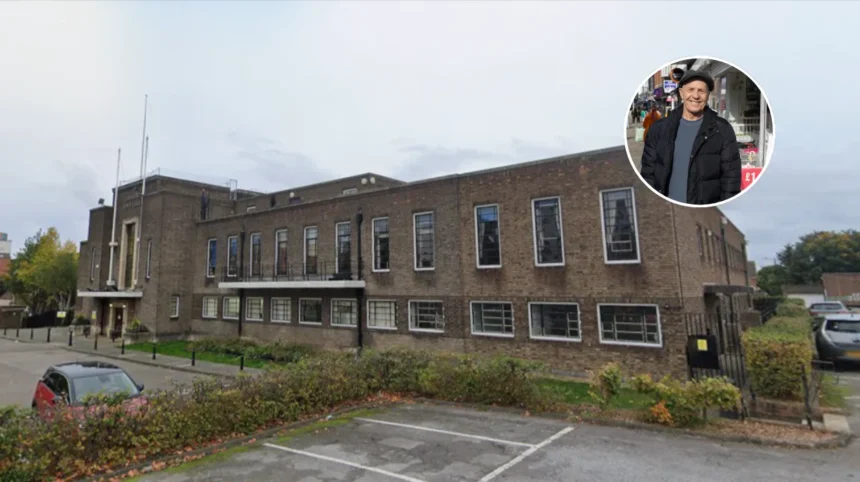
- Reform UK MP Andrew Rosindell raised the idea of “Hexit” at a rally in Romford Town Hall, suggesting Havering should hold a vote to leave Greater London and rejoin Essex as a self-governing authority.
- The proposal revives a debate over 60 years after boundary changes in 1965 pulled Romford and Hornchurch from Essex into Greater London.
- Key issues include transport links, policing arrangements, housing pressures, the Ultra Low Emission Zone (ULEZ) expansion, and whether residents identify as “Londoners” or Essex folk.
- MyLondon journalists visited Romford Market on Monday night, where traders were debating the topic alongside weather and West Ham football results.
- Rosindell pledged to campaign for a referendum, framing Havering as “Essex in exile” culturally and geographically.
- Local residents expressed mixed views, with some supporting separation for lower costs and others valuing London ties.
- No immediate response from Havering Council or Essex County Council mentioned in initial coverage.
- The rally drew attention to ongoing frustrations with London-wide policies affecting outer boroughs like Havering.
Romford (East London Times) February 20, 2026 – A heated debate over whether Havering should sever ties with Greater London and rejoin Essex ignited at Romford Town Hall this week, as Reform UK MP Andrew Rosindell called for a resident vote on the matter. Traders at Romford Market were overheard discussing the “Hexit” proposal late on Monday night, blending it with chatter about the weather and West Ham United’s latest match. The rally revives long-standing questions about the borough’s identity, more than six decades after it was absorbed into the capital.
- Key Points
- Why Is MP Andrew Rosindell Pushing for Hexit?
- What Sparked the Debate at Romford Town Hall?
- How Do Romford Residents View Hexit?
- What Are the Historical Roots of Havering’s London Status?
- Which London Policies Fuel Hexit Frustrations?
- Could Havering Realistically Rejoin Essex?
- What Happens Next in the Hexit Debate?
- Broader Implications for London’s Outer Boroughs?
Why Is MP Andrew Rosindell Pushing for Hexit?
Andrew Rosindell, the Reform UK MP for Romford, took centre stage at a rally inside Romford Town Hall to argue that Havering has never truly belonged in London. As reported directly from the event by MyLondon journalists on the scene, Rosindell declared Havering “Essex in exile” and pledged to give residents a say through a referendum on breaking away to become a self-governing authority under Essex.
“Is Havering truly east London, or has it always been Essex in exile?”
Rosindell asked the crowd, according to MyLondon’s eyewitness account, highlighting cultural and geographical mismatches.
Rosindell positioned the idea as a response to decades of boundary changes that pulled Romford and Hornchurch into Greater London in 1965. He argued that the move ignored local identity, leaving Havering on the capital’s edge feeling disconnected. MyLondon noted that the MP’s speech tapped into broader discontent with London-wide policies, framing Hexit as a path to autonomy.
This is not Rosindell’s first foray into such territory; he has long championed regional pride, but the rally marked a formal pledge for a vote, escalating the row.
What Sparked the Debate at Romford Town Hall?
The rally itself became a focal point, with Rosindell addressing an engaged audience on Monday evening. MyLondon reporters captured the atmosphere, describing how market traders packing up nearby were drawn into conversations about separation.
“When Romford’s market traders packed up on Monday night, they weren’t just talking about the weather or West Ham’s latest result — they were debating whether Havering should still be part of London at all,”
MyLondon wrote in their lead dispatch.
Rosindell revived the debate by questioning Havering’s place in maps, transport, policing, housing, and the ULEZ charge, which has irked outer borough drivers. The MP’s pledge for a vote aims to let residents decide if rejoining Essex would better suit local needs. MyLondon’s on-the-ground reporting emphasised that the event transformed a historical grievance into a live political contention.
No counter-statements from opposing MPs or Labour figures were recorded at the rally, keeping the spotlight on Rosindell’s Reform UK platform.
How Do Romford Residents View Hexit?
MyLondon headed down to Romford to gauge local sentiment, finding a divide among everyday folk. Traders and shoppers at the market expressed varied opinions, with some seeing merit in leaving London for potentially lower taxes and fewer urban impositions. One unnamed trader, as quoted by MyLondon, remarked on the frustration with “Londoner” labels feeling mismatched for those on the borough’s rural fringes.
Others defended staying, citing better transport connectivity and funding from the Greater London Authority.
“We’ve been London for over 60 years – why change now?”
a resident told MyLondon journalists, underscoring attachment to capital infrastructure. The outlet’s vox pops revealed no consensus, mirroring the rally’s divisive tone.
MyLondon’s street-level insights showed the debate permeating daily life, from market stalls to town hall steps, without any resident named as a formal supporter or opponent in the initial piece.
What Are the Historical Roots of Havering’s London Status?
Boundary changes in 1965 fundamentally altered Havering’s status, transferring Romford and Hornchurch from Essex County Council to the newly formed Greater London Council. MyLondon contextualised this as the origin of today’s row, noting over 60 years of integration that Rosindell now challenges. The shift created administrative ties to London while preserving an Essex mindset among many locals.
Rosindell, as covered by MyLondon, argues the 1965 decision was arbitrary, ignoring Havering’s position as the capital’s easternmost, most suburban borough. Historical maps and identities fuel his case, with “Essex in exile” resonating at the rally.
No archival statements from 1965 officials were cited, but MyLondon framed the history as central to understanding the Hexit push.
Which London Policies Fuel Hexit Frustrations?
Transport, policing, housing, and ULEZ emerged as flashpoints in Rosindell’s speech and resident chats. MyLondon detailed how ULEZ expansion hit Havering hard, with non-compliant drivers facing charges despite limited public transport alternatives. Policing under the Mayor’s Office for Policing and Crime draws complaints of being too London-centric for rural Havering areas.
Housing pressures from London’s overflow exacerbate strains, while transport links favour inner boroughs.
“It’s about whether ‘Londoner’ still feels like the right label on the edge of the capital,”
MyLondon summarised from rally discussions. Rosindell tied these to his referendum call, per the report.
MyLondon went to Romford specifically to explore these angles, confirming they dominate local discourse.
Could Havering Realistically Rejoin Essex?
Practicalities loom large: rejoining Essex would require legislative changes, potentially via a local government reorganisation bill. Rosindell envisions Havering as a “self-governing authority,” but MyLondon noted no detailed blueprint emerged at the rally. Essex County Council has not commented, leaving feasibility unclear.
Financial implications include losing London funding pots but gaining county-level control. Residents MyLondon spoke to weighed pros like escaping ULEZ against cons like diminished tube access. Rosindell’s pledge stops short of timelines, focusing on the vote first.
The row’s eruption suggests momentum, but implementation hurdles remain unaddressed in coverage.
What Happens Next in the Hexit Debate?
Rosindell plans to campaign for the referendum, as stated at the rally and reported by MyLondon. Havering Council has yet to respond officially, nor has Essex leadership. Opposition from Sadiq Khan’s office or other MPs could materialise, though none quoted yet.
MyLondon’s reporting positions the story as ongoing, with Romford’s market buzz indicating public engagement. The outlet committed to following developments, having embedded in the community for views.
As the debate simmers, Rosindell’s Reform UK influence in Romford – a former Conservative stronghold – adds volatility.
Broader Implications for London’s Outer Boroughs?
Hexit taps into outer London discontent, where boroughs like Havering feel peripheral. MyLondon’s piece hints at parallels in Enfield or Redbridge, though focused on Romford. Rosindell frames it as identity reclamation, potentially inspiring copycat moves.
Resident divisions reflect national regionalism trends, post-Brexit. MyLondon’s rally coverage underscores how local gripes amplify into national stories.
Neutral observers await council reactions, with the row likely to persist.