Key Points
- Eleven separate shop units are currently listed as available to rent at The Liberty Shopping Centre in Romford, Essex.
- The listings are handled by East London and Essex-based estate agents Andrew Caplin.
- Unit GL18 is available for £60,000 per year, subject to vacant possession.
- Unit GL18 is described as suitable for all Class E uses, including medical, office, health, and fitness purposes.
- The availability presents opportunities for new occupiers seeking retail, commercial, or service-based spaces in a major Romford shopping destination.
Romford (East London Times) April 8, 2026 –Eleven shop units at The Liberty Shopping Centre in Romford stand available for rent, as listed by East London and Essex estate agents Andrew Caplin, creating prospects for new occupiers in this prominent retail hub.
- Key Points
- What Shop Units Are Available to Let at The Liberty Shopping Centre?
- Who Is Handling the Listings for These Romford Shop Units?
- What Are the Rental Terms for Unit GL18 at The Liberty?
- Why Is The Liberty Shopping Centre a Key Location for These Lettings?
- How Does This Fit into Romford’s Commercial Property Market?
- What Opportunities Do These Units Offer for New Occupiers?
- Background on The Liberty Shopping Centre Development
- Predictions: How This Development Can Affect Potential Tenants and Local Businesses
What Shop Units Are Available to Let at The Liberty Shopping Centre?
The core detail of this development centres on the eleven separate shop units marketed for letting. As per the official listing from Andrew Caplin, a firm specialising in East London and Essex properties, these units are positioned within The Liberty Shopping Centre, a key commercial venue in Romford town centre.
Unit GL18 features prominently in the listings. It is offered at a rental rate of £60,000 per year, with the condition “subject to vacant possession”.
The description specifies its suitability for all Class E uses, which encompass a broad spectrum including retail, medical practices, offices, health services, and fitness operations. This flexibility aligns with current UK planning regulations under Use Class E, allowing diverse commercial activities without the need for change-of-use applications in many cases.
No further specifics on the sizes, exact locations within the centre, or rental terms for the other ten units have been detailed in the available listings at this stage. Andrew Caplin’s platform presents these as distinct opportunities for potential tenants.
Who Is Handling the Listings for These Romford Shop Units?
East London and Essex-based estate agents Andrew Caplin are managing the availability of all eleven units. The firm, known for its focus on commercial properties in the region, has the listings active on its platform. This involvement underscores the professional handling of the lettings process, targeting businesses and operators interested in Romford’s retail landscape.
As reported directly from Andrew Caplin’s property listings, the opportunities are framed to attract new occupiers, with Unit GL18 highlighted for its versatile Class E permissions.
What Are the Rental Terms for Unit GL18 at The Liberty?
For Unit GL18, the annual rent stands at £60,000, subject to vacant possession. This term indicates that the unit will be handed over empty, allowing incoming tenants to fit out the space according to their needs.
The suitability for Class E uses is explicitly noted, covering medical centres, offices, health and fitness facilities, and general commercial operations.
This broad classification reflects adaptations in UK planning law since 2020, consolidating previous classes like A1 (shops), A2 (financial services), and A3 (restaurants) into the single E category for greater flexibility.
No statements from Andrew Caplin representatives or centre management have been issued beyond the listing details at this point.
Why Is The Liberty Shopping Centre a Key Location for These Lettings?
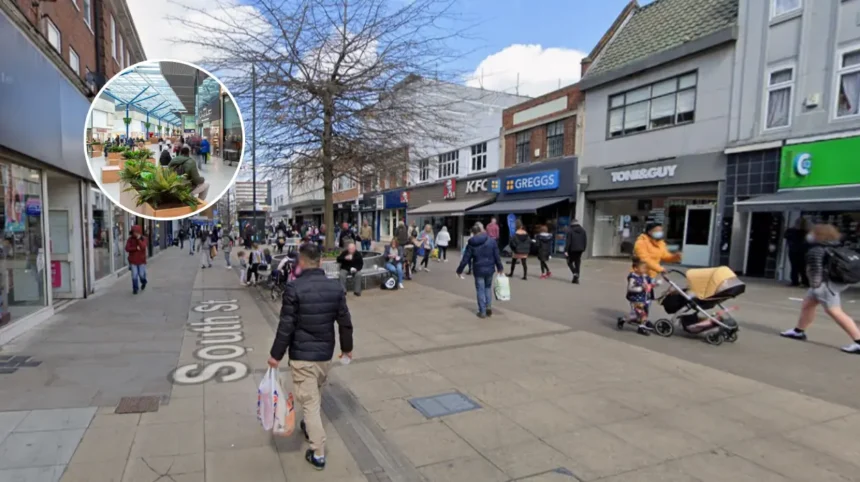
The Liberty Shopping Centre serves as a major retail and commercial anchor in Romford, drawing significant footfall from local residents, workers, and visitors across East London and Essex. Its position in the town centre enhances visibility and accessibility for any new occupiers.
Properties like these units benefit from the centre’s established infrastructure, including parking, public transport links via Romford station, and proximity to other high-street retailers.
The availability of eleven units suggests a deliberate push to refresh the tenant mix, potentially addressing vacancies in the post-pandemic retail recovery phase.
As per Andrew Caplin’s listing, the emphasis on Class E versatility positions these spaces for non-traditional retail uses, such as health and fitness or professional services, which have seen rising demand in suburban centres like Romford.
How Does This Fit into Romford’s Commercial Property Market?
Romford’s property scene reflects broader trends in outer London boroughs, where shopping centres adapt to hybrid retail-service models.
The Liberty, with its mix of national chains and independent stores, continues to operate amid shifts from pure high-street shopping to multi-purpose destinations.
The listing of eleven units by Andrew Caplin indicates active management to maintain occupancy levels. Unit GL18’s £60,000 rate provides a benchmark for similar spaces, factoring in location premiums and the “subject to vacant possession” clause, which ensures a clean start for tenants.
No additional data from competing agents or market analyses accompanies this specific listing, keeping focus on the factual availability.
What Opportunities Do These Units Offer for New Occupiers?
New occupiers gain access to prime Romford real estate suitable for Class E activities. Medical practices could establish clinics, offices might serve professional firms, and health or fitness operators could introduce gyms or wellness centres.
The eleven units collectively represent a significant portion of lettable space, potentially transforming the centre’s offer. Andrew Caplin’s role ensures marketed visibility to regional businesses scanning for expansion.
Interest from East London and Essex firms aligns with Romford’s growth as a commercial node, supported by ongoing town centre investments.
Background on The Liberty Shopping Centre Development
The Liberty Shopping Centre in Romford opened in 2009 as part of a major regeneration project aimed at revitalising the town centre.
Developed by Ballymore Properties, it spans approximately 400,000 square feet and houses around 80 stores, including major retailers like TK Maxx, Next, and Primark. The centre connects directly to the historic Romford Market, enhancing its draw.
Over the years, it has weathered retail challenges, including the rise of online shopping and economic pressures. Management efforts have focused on diversifying tenancy, introducing leisure elements like a 10-screen cinema and food court. Recent data from centre operators shows footfall recovery post-2023, with vacancy rates managed through proactive lettings.
Andrew Caplin & Co, established in the region, specialises in commercial sales and lettings, often handling properties in Essex and East London. Their involvement here builds on prior mandates for similar shopping centre units.
Predictions: How This Development Can Affect Potential Tenants and Local Businesses
This availability of eleven units can provide potential tenants with expanded options for establishing or relocating operations in Romford’s core retail zone. Businesses in Class E categories, such as medical services or fitness providers, may secure spaces at rates like £60,000 for Unit GL18, enabling cost-effective entry into a high-traffic location.
Local businesses and entrepreneurs in East London and Essex could benefit from the variety of eleven units, allowing portfolio diversification without immediate competition for limited spots. The “subject to vacant possession” terms facilitate quick setups, potentially accelerating revenue generation.
For the broader Romford commercial community, higher occupancy could stabilise footfall at The Liberty, indirectly supporting adjacent traders through increased visitor dwell time. New occupiers might introduce services complementing existing retail, fostering a balanced centre ecosystem without displacing current tenants.