Key Points
- Speed Limit Reduction: Proposals are underway to reduce the speed limit to 20mph across multiple residential roads in Romford, including Heath Drive, Parkway, Gidea Avenue, and Brook Road.
- Traffic Calming Features: Physical traffic-calming interventions, such as targeted road humps and raised entry treatments, are included to enforce the lower speed limit.
- Public Consultation: Havering Council conducted public consultations covering the zone situated between the A12 and Main Road, near Raphael Park.
- Resident Feedback: Initial public feedback demonstrated widespread support for curbing vehicle speeds, through-traffic, and heavy goods vehicles (HGVs), alongside calls to refine the placement of physical humps.
- Targeted Scheme: Council officers revised the initial design to create a more focused, proportionate package, reducing physical engineering features whilst retaining key measures on high-impact roads.
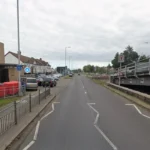
Romford (East London Times) October 26, 2026 — Havering Council is actively progressing plans to slash speed limits to 20mph and install physical traffic-calming infrastructure across a major residential pocket adjacent to Raphael Park in Romford. The comprehensive scheme encompasses a network of residential streets located between the A12 Eastern Avenue and Main Road, key among them being Heath Drive, Parkway, Gidea Avenue, and Brook Road. Following public engagement, the local authority has reviewed feedback and moved forward with statutory consultations to determine the final implementation of the Traffic Regulation Order required to enact the speed reductions and physical roadway alterations.
- Key Points
- Why is Havering Council introducing a 20mph zone in Romford?
- How have the proposed traffic-calming measures been adapted following resident feedback?
- What secondary modifications and enforcement features are included in the plans?
- Background of the Heath Drive and Gidea Park Traffic Scheme
- Prediction: How This Development Will Affect Local Residents and Road Users
Why is Havering Council introducing a 20mph zone in Romford?
As documented in public project disclosures released by Havering Council, the local authority initiated the traffic scheme to tackle longstanding issues surrounding vehicle speeds, aggressive through-traffic, and unauthorized heavy goods vehicles (HGVs) using residential side streets as cut-throughs. The target area, which borders Raphael Park, consists of high-density residential housing where motor vehicles frequently mix with vulnerable road users, including pedestrians, school children, and cyclists heading toward nearby amenities and open green spaces.
Funding for the scheme is provided via Transport for London (TfL) as part of the Council’s Local Implementation Plan. According to consultation documents published on Havering Council’s official portal, local speed and volume surveys conducted prior to the proposals indicated that a standalone speed limit reduction would not be sufficient on its own to deter speeding drivers or eliminate through-traffic. Consequently, local authority planners integrated physical road alterations to guarantee compliance and enforce the lower speed threshold.
How have the proposed traffic-calming measures been adapted following resident feedback?
As reported in public records provided by the Havering Council Highways Department, an initial consultation was carried out to gauge community opinion on the full extent of the scheme. Whilst local residents expressed robust support for tackling dangerous driving, excessive vehicle speeds, and HGV congestion, concerns were raised regarding the volume, placement, and exact design of the physical traffic-calming features originally proposed.
In response to these public representations, council officers met with ward councillors to overhaul the design. The revised scheme features a more targeted, proportionate approach. Rather than installing widespread speed humps across every street in the zone, physical infrastructure has been scaled back and concentrated primarily along Heath Drive and Brook Road—the primary routes identified as suffering from higher traffic volumes and elevated vehicle speeds. Furthermore, raised entry treatments are designated for key junctions, including Heath Drive at Main Road and Gidea Avenue at Main Road, to visually and physically signal the transition into a low-speed zone.
What secondary modifications and enforcement features are included in the plans?
Beyond lower speed thresholds and road humps, official statutory notices published by Havering Council confirm that the scheme incorporates additional road markings, updated statutory signage, and targeted parking restrictions. Limited lengths of double yellow lines are planned at critical junction corners to clear sightlines, maintain driver visibility, and ensure emergency service vehicles and waste collection trucks retain unhindered access through narrow residential bends.
As stated in technical documentation issued by the Havering Council Schemes Team, the authority plans to monitor the scheme comprehensively following any construction period. Local officers noted that speed surveys and traffic flow audits will be repeated post-implementation to establish whether the traffic-calming interventions successfully achieve their intended safety metrics or if further modifications are required.
Background of the Heath Drive and Gidea Park Traffic Scheme
The residential area situated between the A12 and Main Road in Romford has historically served as an attractive bypass for commuter traffic attempting to avoid congestion on major arterial routes in East London. Over recent years, local ward councillors and community groups have frequently raised safety concerns regarding high-speed through-traffic utilizing residential streets such as Heath Drive, Parkway, and Brook Road as shortcuts.
In response to these growing community complaints, Havering Council commissioned automated traffic speed and volume surveys to evaluate the baseline conditions within the area. The survey data confirmed elevated speeds across several corridors, leading the council to secure financial backing via Transport for London’s Local Implementation Plan allocations. This funding enables local London boroughs to design localized road safety programs, enhance active travel conditions, and improve neighborhood air quality.
The public consultation process unfolded across multiple stages. An initial public engagement exercise allowed residents to review high-level draft plans and submit written feedback detailing specific concerns regarding traffic humps, vehicle access, and street parking. Following a review of those responses, council officers revised the engineering plans to minimize physical disruptions whilst maintaining safety standards, leading into statutory notification steps under section 90A of the Highways Act 1980 for traffic-calming construction.
Prediction: How This Development Will Affect Local Residents and Road Users
The implementation of a 20mph zone supported by physical traffic-calming measures in Romford is expected to have multi-faceted effects on local residents, motorists, commuters, and pedestrians across the Gidea Park and Raphael Park vicinities.
1. Local Residents and Families
For residents living on Heath Drive, Parkway, Gidea Avenue, Brook Road, and surrounding residential streets, the reduction in speed limits and physical traffic humps will significantly improve road safety. Lower vehicular speeds reduce both the likelihood and severity of traffic accidents, creating a safer environment for pedestrians, young children, and elderly residents navigating the neighborhood. Furthermore, decreasing overall traffic volume and eliminating heavy through-traffic will reduce localized noise pollution and vehicular exhaust emissions, contributing to a cleaner, quieter residential environment.
2. Motorists and Through-Traffic Commuters
Drivers who routinely utilize these residential streets as a short-cut to bypass congestion on the A12 or Main Road will face longer journey times and physical obstructions designed to deter high-speed travel. The presence of road humps and raised junction treatments will make these residential corridors less attractive as alternative routes, effectively forcing non-local through-traffic back onto designated arterial main roads. Local motorists residing within the zone will need to adapt to lower driving speeds and potential minor parking realignments caused by double yellow line sightline protections at key junctions.
3. Vulnerable Road Users and Visitors to Raphael Park
Pedestrians, cyclists, and visitors accessing Raphael Park will experience direct benefits from the scheme. The inclusion of raised entry treatments and reduced vehicle speeds creates safer crossing points at major junctions, encouraging active travel such as walking and cycling. By lowering traffic dominance in the immediate surroundings of the park, the overall accessibility and connectivity of the area for recreational users will be enhanced.