Key Points
- Licensing Approval: Havering Council’s licensing sub-committee has officially approved extended weekend operating hours for Jukebox LDN, located on South Street in Romford.
- New Closing Time: The venue is now permitted to remain open until 3:30am on Friday and Saturday nights, making it the latest opening venue in Romford town centre.
- Licensable Activities Extended: Live music performances and alcohol sales can now continue until 3:00am on weekends, representing a 30-minute extension from its previous licence.
- Compromise Outcome: Venue owner Danny Woodhouse initially sought a 4:00am closing time, but a compromise was reached following objections from statutory authorities.
- Authority Opposition: Metropolitan Police, Havering Licensing Authority, and Environmental Health opposed the expansion, citing concerns over public nuisance, noise, and crime statistics.
- Police Evidence: Metropolitan Police submitted evidence detailing 37 reported incidents occurring after midnight at or near the venue over a 12-month period.
- Political Support: Romford MP Andrew Rosindell submitted formal backing for the application, emphasising the need to protect local night-time economy businesses.
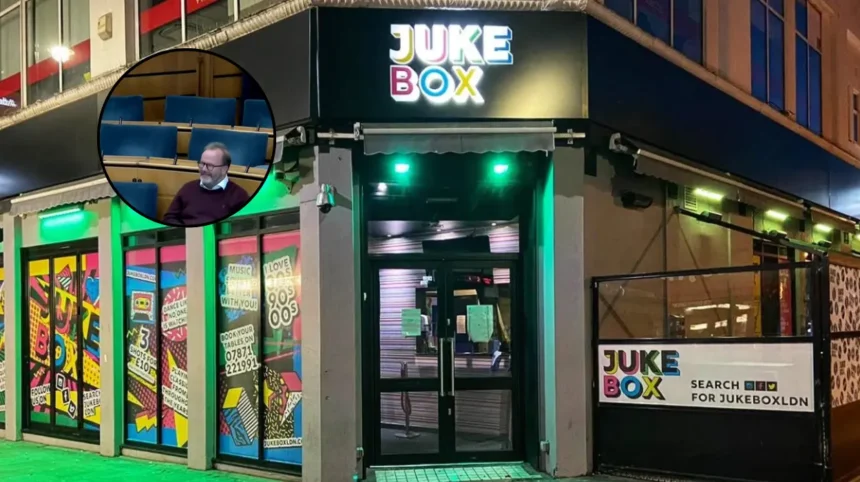
Romford (East London Times) September 22, 2026 – Jukebox LDN, a prominent nightclub situated on South Street in Romford, has been granted extended weekend operating hours following a decision by Havering Council’s licensing sub-committee, officially making it the latest opening venue in the town centre.
Under the terms of the newly approved licence, the venue will extend its closing time to 3:30am every Friday and Saturday night. In addition to the extended opening hours, licensable activities—including the sale of alcohol and the provision of live music—have been extended by 30 minutes, allowing operations to continue until 3:00am.
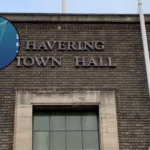
The decision follows a detailed licensing hearing at Havering Town Hall on Thursday, September 17, 2026, which lasted over two hours. The venue’s management originally applied for a full one-hour extension across all weekend activities to allow a 4:00am finish, but accepted a 3:30am compromise following deliberations by committee members.
As reported by Charlotte Anderson of the Romford Recorder, the application faced opposition from the Metropolitan Police, Havering Council’s Licensing Authority, and Havering’s Environmental Health service, all of whom raised concerns regarding the potential for increased public nuisance and alcohol-related crime. During the hearing, Metropolitan Police representatives presented records detailing 37 reported incidents linked to or occurring near the venue after midnight between 5 August 2025 and 5 August 2026.
According to reporting by The Havering Daily, venue owner Danny Woodhouse faced initial rejections from statutory bodies when proposing both 4:00am and 3:30am extensions, prompting the matter to be determined directly by the Licensing Sub-Committee.
What Arguments Were Presented by Jukebox LDN Management?
During the licensing sub-committee meeting, legal and professional representatives speaking on behalf of venue owner Danny Woodhouse argued that decisions should be made on tangible operational evidence rather than speculative outcomes regarding public disorder.
As reported by Charlotte Anderson of the Romford Recorder, a representative for Jukebox LDN stated that the venue had operated responsibly for five years without receiving formal noise or public nuisance complaints. The representative argued:
“You have to look at the evidence. We operate until 3am, we’ve had no complaints for five years, we manage dispersal, and in fact we think we will manage it better if we are open later because other premises will have closed and we can then move them away.”
The management team also highlighted the changing landscape of Romford’s night-time economy, pointing out that previous late-night establishments had ceased operations. As reported by Charlotte Anderson of the Romford Recorder, the representative noted:
“I think it is worth noting that there are a couple of licences that were open until 4am that have now gone away, Atik and the Buddha Lounge. There is no late venue for someone to go out to and we want to be able to provide that service.”
Speaking exclusively to The Havering Daily, owner Danny Woodhouse explained the operational realities facing modern nightlife businesses, noting that patron arrival times have shifted significantly over recent years. As reported by The Havering Daily, Danny Woodhouse stated:
“Jukebox is the only nightclub in Romford. Habits have changed. The town centre is nowhere near as busy as it once was. We are our busiest when we are closing. Jukebox does not get any trouble. This is a win for nightlife across Havering. We can now stay open until 3.30am. We encourage everyone to have a safe night out and we will continue to work with all the local teams such as the police and Havering Council.”
Following the panel’s ruling, Danny Woodhouse expressed gratitude to patrons and local supporters on social media. As reported by Charlotte Anderson of the Romford Recorder, Danny Woodhouse posted:
“A massive thank you to everyone who supported us throughout our licence application. Your support genuinely means so much to us. We’ll continue working closely with the police, licensing and all other authorities to make sure Jukebox remains a safe, enjoyable and fun place to party.”
What Concerns Were Raised by Local Authorities and Politicians?
The extension application met with detailed representations from regulatory bodies concerned with crime prevention, public safety, and environmental impact.
As reported by Charlotte Anderson of the Romford Recorder, the Metropolitan Police, Environmental Health officers, and Havering Council’s Licensing Authority expressed concern that pushing closing times further into the early morning hours would correlate with an increase in anti-social behaviour and public nuisance affecting nearby residents.
The Metropolitan Police cited 37 recorded incidents occurring after midnight over the course of a 12-month period as part of their formal objection, arguing that extended hours could strain policing resources during peak weekend hours. Environmental Health officers separately noted potential noise disruptions linked to crowd dispersal late at night.
Conversely, the venue received high-level political representation in support of its application. As reported by The Havering Daily, Romford Member of Parliament Andrew Rosindell submitted formal written correspondence to the licensing sub-committee backing Jukebox LDN. Rosindell emphasised the importance of supporting local business owners and preserving town centre hospitality venues amid challenging economic conditions for the nightlife sector.
Background of the Particular Development
Romford has historically served as one of Outer East London’s primary nightlife hubs, attracting pub-goers and clubbers from across Havering, Essex, and neighbouring London boroughs. However, over the past decade, the local night-time economy has undergone substantial contraction due to changing consumer habits, rising operational costs, and the closure of landmark venues.
Major venues that previously anchored the town’s late-night offering—such as Atik (formerly Liquid & Envy) and the Buddha Lounge—have closed their doors in recent years. These closures left a void in Romford’s late-night entertainment landscape, transferring the demand for late-operating spaces onto fewer remaining establishments.
Jukebox LDN, located on South Street, has operated in the town centre for six years, establishing itself as the sole dedicated nightclub remaining in Romford. The venue underwent significant interior refurbishments in early 2026 to modernize its facilities. Additionally, the venue has participated in local public safety initiatives, including hosting emergency bleed control kits donated by community anti-knife crime campaigners.
The application for extended opening hours represents the latest effort by independent venue operators in outer London to maintain commercial viability by catering to shifts in nightlife culture, where patrons frequently venture out later in the evening than in previous decades.
Prediction: How This Development Can Affect Romford Businesses, Residents, and Nightlife Patrons
The granting of a 3:30am licence to Jukebox LDN is likely to produce distinct outcomes across several key groups within the local community:
1. Local Nightlife Industry and Economy
For venue owner Danny Woodhouse and the broader hospitality sector in Havering, the extra operational hours provide a crucial financial cushion. By extending bar service to 3:00am and remaining open until 3:30am, Jukebox LDN can capture late-night revenue that might otherwise be lost to venues in Central London or neighbouring districts. This decision may establish a precedent for other local food and transport operators—such as late-night takeaways, taxi ranks, and ride-share drivers—who stand to gain secondary business from foot traffic dispersing later in the morning.
2. Local Residents and Community Infrastructure
Residents living in close proximity to South Street and surrounding residential roads may experience prolonged environmental exposure to foot traffic, vehicle noise, and crowd dispersal between 3:00am and 4:00am on weekends. However, the venue’s strategic argument—that staggered dispersal occurs more smoothly when patrons leave after other local bars have already shut—will now be tested in real-time. If managed effectively by security staff, dispersal could remain orderly; if unmanaged, it could prompt increased noise complaints to Havering’s Environmental Health team.
3. Law Enforcement and Statutory Authorities
The Metropolitan Police and Havering Licensing Authority will likely maintain heightened regulatory monitoring of South Street during the initial months of the new schedule. Because police representatives explicitly raised concerns regarding 37 prior incidents, the venue will be under pressure to demonstrate that the extra half hour of operation does not correlate with an uptick in violent crime or public disorder. Continued collaboration through joint safety measures and strict licence adherence will be necessary to prevent future licence review proceedings.