Key Points
- A new planning application has been submitted to Havering Council for converting 41 Mawney Road, Romford, from a residential home into a four-person House in Multiple Occupation (HMO).
- The application is led by applicant Dr Debabrata Kumar and agent Manj Singh, just six months after Dr Kumar’s previous bid for an eight-person HMO was refused in August 2025.
- The earlier refusal cited the loss of a “much needed small family home within the borough” and deemed the plans “unacceptable”.
- The revised proposal, validated on 23 January 2026, is described as a “fundamentally different” low-intensity four-person HMO, comparable to a typical small family household.
- No external alterations to the building are proposed in the new plans.
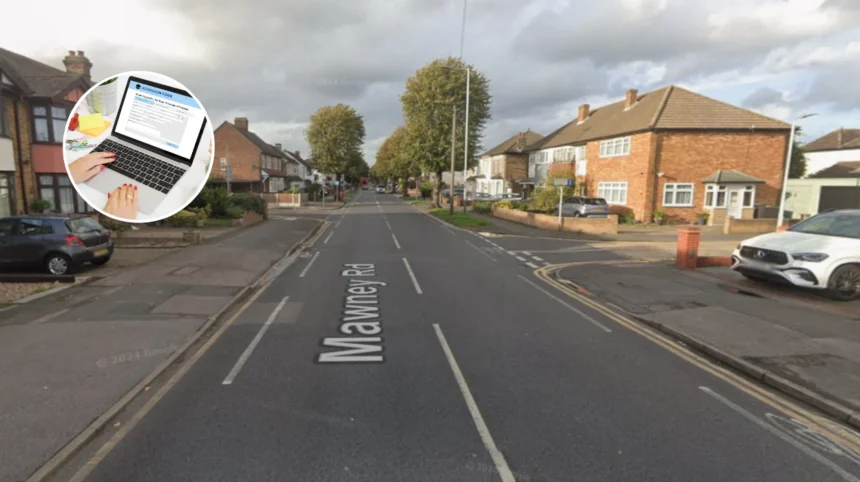
- The property is located opposite The Mawney Foundation School, near office buildings and convenience stores.
- Mawney Road already hosts five HMOs, two of which accommodate up to 10 people each, according to the officer report from the previous refusal.
- The council’s prior concerns included intensification of activity leading to “significant harm to residential amenity from noise, disturbance and activity”, with comings and goings being “particularly noticeable”.
- The new application features a management plan to curb anti-social behaviour, including reminders for breaches and potential possession proceedings.
- A dedicated first-floor office space for the owner enables “consistent weekly inspections” and underscores commitment to a “well-managed, high quality HMO”.
- The property will be run by a “competent and accredited landlord or agent”.
- The planning statement asserts the revised scheme “no longer results in the loss of a family home and directly addresses the previous reason for refusal”.
Romford (East London Times) February 6, 2026 – A fresh planning application for a House in Multiple Occupation (HMO) at 41 Mawney Road has been lodged with Havering Council, merely six months after an earlier, larger proposal by the same applicant was rejected for eroding family housing stock.
- Key Points
- What Triggered the Original Refusal?
- Why Was the New Application Submitted So Soon?
- How Does the Management Plan Address Anti-Social Behaviour Concerns?
- Who Will Operate the Property?
- What Is the Local Context Around Mawney Road?
- What Are the Chances of Approval This Time?
- How Does This Fit Broader HMO Trends in Havering?
- What Happens Next in the Planning Process?
- Background on the Players Involved
- Resident and Community Reactions?
- Implications for Romford’s Housing Market?
What Triggered the Original Refusal?
The initial application, also from Dr Debabrata Kumar, sought to transform the property into an eight-person HMO. As detailed in the Romford Recorder’s coverage, Havering Council refused it in August 2025, labelling the plans “unacceptable”. The council’s officer report highlighted the scheme’s contribution to the “loss of a much needed small family home within the borough”. Despite assurances on curbing anti-social behaviour in the first proposal, the authority warned it “would result in an intensification of activity at the site and result in significant harm to residential amenity from noise, disturbance and activity”. Comings and goings were expected to be “particularly noticeable”, exacerbating local pressures.
Mawney Road’s existing saturation with HMOs was a key factor. The officer report noted five such properties already on the street, two capable of housing a maximum of 10 people each. This context amplified concerns over residential amenity in a street opposite The Mawney Foundation School and proximate to office buildings and convenience stores.
Why Was the New Application Submitted So Soon?
Applicant Dr Debabrata Kumar, supported by agent Manj Singh, submitted the revised plans, validated by Havering Council on 23 January 2026. The planning statement positions this as a “revised proposal” that is “fundamentally different” from its predecessor. It scales back to a “low-intensity four person HMO, which is comparable in occupancy to a typical small family household”. Proponents argue this occupancy mirrors everyday family use, mitigating prior objections.
No external alterations are proposed, preserving the building’s facade. The document claims the changes ensure the scheme “no longer results in the loss of a family home and directly addresses the previous reason for refusal”. This recalibration aims to align with council priorities on housing balance.
How Does the Management Plan Address Anti-Social Behaviour Concerns?
A standout feature of the new submission is its detailed management plan. It includes a clause to prevent anti-social behaviour from potential occupants. The plan states:
“Where such behaviour is identified, the individual will be reminded that they are in breach of their agreement. If the behaviour persists, or if the incident is sufficiently serious, the owner will consider initiating possession proceedings in accordance with the relevant legal framework.”
This proactive stance responds directly to the council’s earlier critique of the eight-person plan, which dismissed similar assurances as insufficient against intensified activity. The inclusion of a dedicated office space on the first floor for the owner’s use further bolsters oversight. According to the planning statement, this enables “consistent weekly inspections” and demonstrates “a clear commitment to maintaining a well-managed, high quality HMO”.
Who Will Operate the Property?
The application specifies that the property will be operated by a “competent and accredited landlord or agent”. This professional management layer is intended to ensure compliance and quality. Agent Manj Singh’s involvement signals structured handling, contrasting with potential ad-hoc operations that troubled the council previously.
The planning statement emphasises this setup as pivotal to the HMO’s success, tying it to the weekly inspections and anti-social behaviour protocols. Such accreditation aims to reassure councillors and residents alike.
What Is the Local Context Around Mawney Road?
The site’s location heightens scrutiny. Situated opposite The Mawney Foundation School, the property sits in a mixed residential-commercial zone. Nearby office buildings and convenience stores add to footfall, making any intensification sensitive. The street’s five existing HMOs—two large-scale with 10-person capacities—already strain amenities, per the August 2025 officer report.
Residents may view the four-person scale as less disruptive, akin to family occupancy. Yet, the proximity to a school could spotlight noise and parking issues during peak hours.
What Are the Chances of Approval This Time?
Success hinges on whether the revisions convincingly neutralise past flaws. The planning statement’s assertion that it “directly addresses the previous reason for refusal” by avoiding family home loss is central. The lower occupancy, management rigour, and absent external changes position it as compliant.
Havering Council’s stance on HMOs remains cautious, prioritising family dwellings amid borough-wide shortages. The six-month turnaround—application refused in August 2025, new one validated 23 January 2026—tests the authority’s patience. Public consultation will likely draw resident input on amenity impacts.
How Does This Fit Broader HMO Trends in Havering?
Havering has grappled with HMO proliferation. The Romford Recorder previously linked the Mawney Road refusal to wider efforts to protect family housing. Similar refusals elsewhere underscore a policy tilt against conversions eroding single-household stock.
This resubmission reflects applicant persistence amid tightening regulations. Dr Kumar’s dual roles in both bids highlight personal investment, with agent Manj Singh providing expertise.
What Happens Next in the Planning Process?
The application, now validated, enters assessment. Havering Council will review the planning statement, management plan, and site specifics. Neighbours and ward councillors can comment, potentially echoing prior noise fears.
A decision timeline is unspecified, but standard processes suggest weeks to months. Approval could set a template for scaled-back HMOs; rejection might signal firmer curbs.
Background on the Players Involved
Dr Debabrata Kumar, the applicant behind both bids, drives this effort. Manj Singh, as agent, crafts the technical submission. Havering Council officers, via their 2025 report, shaped the refusal benchmark. The Romford Recorder first broke the story, detailing the “unacceptable” tag and family home loss.
No statements from Dr Kumar or Mr Singh beyond the planning documents are public. Council spokespeople have yet to weigh in on the resubmission.
Resident and Community Reactions?
Details on reactions are pending consultation. Past concerns centred on disturbance near the school and saturated HMOs. The management plan may sway opinions, but vigilance over enforcement is likely.
The Mawney Foundation School’s proximity could prompt safeguarding queries, though the low-intensity pitch counters this.
Implications for Romford’s Housing Market?
Approval might encourage similar revisions elsewhere, balancing rental demand with family needs. Rejection reinforces anti-conversion stances. In a borough short on family homes, this tests planning equilibrium.