Key Points
- Staff from pathology and clinical engineering departments at Barking, Havering and Redbridge University Hospitals Trust (BHRUT), overseeing Queen’s Hospital in Romford and King George Hospital in Ilford, are set to strike.
- The dispute involves claims of bullying, harassment, discrimination, lack of consultation on new shift patterns leading to earnings loss, and outsourcing risks to Siemens Healthineers.
- Union Unite represents the workers, with regional officer Sujata Virdee blaming the trust’s leadership for forcing the action.
- Strikes are planned for three days: Wednesday, 4th February to Friday, 6th February, with potential intensification if no agreement is reached.
- BHRUT, through workforce director Alan Wishart, expresses disappointment, denies new shift systems or pay reductions, and offers negotiation suggestions.
- Pathology staff highlight ongoing issues despite tribunals; clinical engineering staff oppose role transfers, claiming harm to staff and patients.
- Pathologists analyse blood, tissue, and cell samples for disease diagnosis, treatment, and prevention; clinical engineers maintain hospital medical technology.
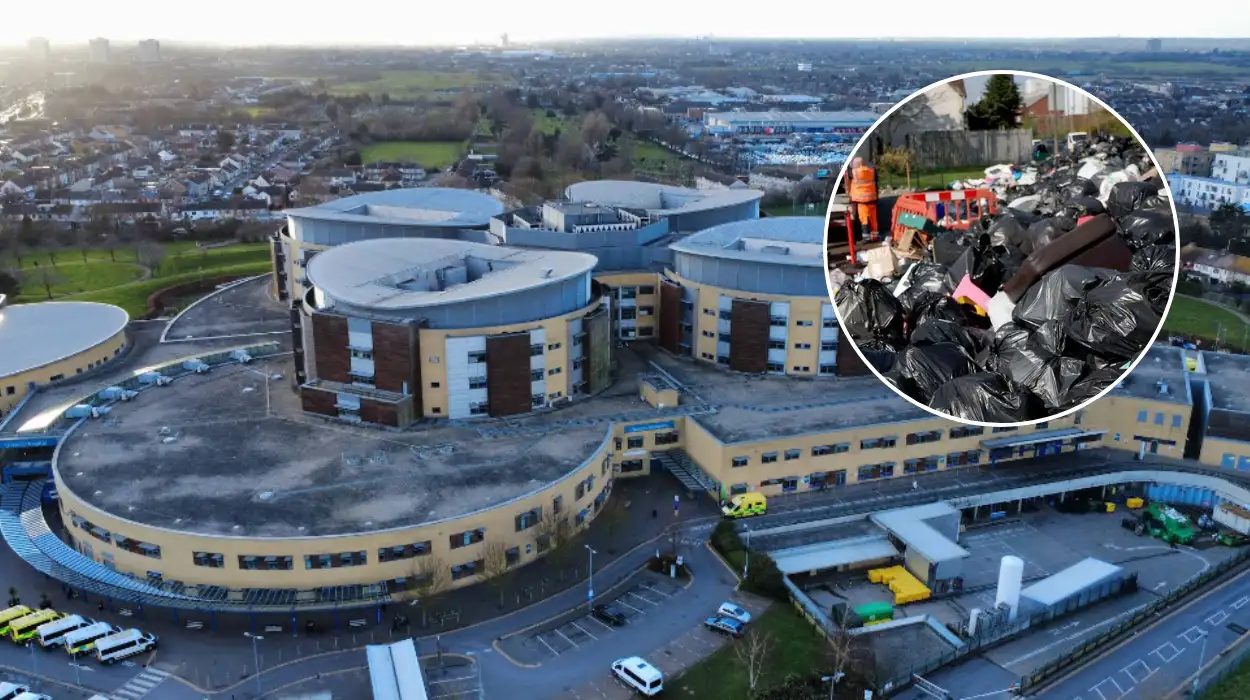
Romford (East London Times) January 28, 2026 – Staff working across Queen’s Hospital in Romford and King George Hospital in Ilford, managed by Barking, Havering and Redbridge University Hospitals Trust (BHRUT), are set to strike next week over allegations of bullying, harassment, discrimination, inadequate consultation on shift changes, and fears of outsourcing to Siemens Healthineers, writes local democracy reporter Sebastian Mann.
- Key Points
- What Sparked the Pathology Staff’s Strike Decision?
- Why Are Clinical Engineering Staff Joining the Action?
- How Has BHRUT Responded to the Strike Announcement?
- When and How Will the Strikes Take Place?
- What Are the Roles of Pathology and Clinical Engineering Staff?
- Why Do Unions Blame Trust Leadership?
- Has BHRUT Introduced New Shifts or Cut Pay?
- What Are the Potential Impacts on Patients?
- Could Negotiations Avert the Strikes?
- Who Oversees Queen’s and King George’s Hospitals?
Union employees from the pathology and clinical engineering departments, represented by Unite, will walk out in a three-day action slated from Wednesday, 4th February to Friday, 6th February. The industrial action threatens further intensification should negotiations fail, amid claims that the trust has failed to address long-standing grievances despite tribunal interventions.
What Sparked the Pathology Staff’s Strike Decision?
Pathology staff have criticised BHRUT for allegedly failing to tackle persistent claims of bullying, harassment, and discrimination, issues that have continued even after tribunals. As reported by Sebastian Mann of the East London Times, these workers are also concerned about new shift patterns introduced without “meaningful consultation”, which they claim will result in a loss of earnings.
Unite’s regional officer, Sujata Virdee, stated that staff had been
“forced into taking strike action because of the appalling way they are being treated by the trust”.
She further claimed,
“Any disruption that will be caused is entirely the fault of the trust’s leadership,”
adding,
“The only way this dispute will be resolved is when the trust rows back on its attacks and puts forward a solution that our members can accept.”
Pathologists play a critical role in laboratories, diagnosing, treating, and preventing diseases by analysing blood, tissue, and cell samples. The ongoing issues, according to the union, undermine their ability to perform these essential functions effectively.
Why Are Clinical Engineering Staff Joining the Action?
Clinical engineering staff are taking industrial action specifically over outsourcing proposals and the planned transfer of their roles to Siemens Healthineers, which they argue would benefit neither staff nor patients. These workers maintain and manage vital medical technology within the hospitals, ensuring equipment functions safely and reliably.
The dispute centres on BHRUT’s plans, with Unite asserting that such a move prioritises external interests over service quality and job security. Sebastian Mann’s reporting highlights that this forms part of a broader dissatisfaction with management practices across departments.
No specific statements from clinical engineering staff individuals were detailed beyond the collective union position, but the action underscores fears that outsourcing could compromise patient care standards at Queen’s and King George’s.
How Has BHRUT Responded to the Strike Announcement?
BHRUT has expressed disappointment at Unite’s decision to proceed with strikes, claiming it had “worked hard” to resolve pathology issues. Workforce director Alan Wishart said:
“We’re disappointed Unite are taking industrial action as we’ve had detailed discussions with their representatives in recent weeks and we’re keen to continue this constructive dialogue.”
Wishart further clarified the trust’s position:
“We also want to make clear that no new shift system has been introduced and no staff have seen their pay reduced as a result.”
He acknowledged challenges, stating,
“We accept there are long standing issues that need to be resolved in pathology and we have worked hard to do so.”
As part of ongoing efforts, Wishart noted:
“As part of our ongoing response, and to address Unite’s concerns, we have offered a number of suggestions which we believe are the basis for further negotiation rather than strike action.”
The trust emphasised its commitment to dialogue over disruption.
When and How Will the Strikes Take Place?
The initial strike action is scheduled over three consecutive days: Wednesday, 4th February, Thursday, 5th February, and Friday, 6th February. Unite has warned that this could intensify if an agreement cannot be reached, potentially leading to prolonged or more frequent walkouts.
The timing aligns with a period of high demand for hospital services, raising concerns about service disruptions. Pathology and clinical engineering functions are not frontline clinical roles but are integral to diagnostics and equipment reliability, meaning delays could indirectly affect patient care.
As reported by Sebastian Mann of the East London Times, the action targets specific departments but could ripple across operations at Queen’s Hospital in Romford and King George Hospital in Ilford.
What Are the Roles of Pathology and Clinical Engineering Staff?
Pathologists operate in hospital laboratories, where they diagnose, treat, and prevent diseases through detailed analysis of blood, tissue, and cell samples. Their work forms the backbone of accurate medical diagnoses, informing treatments for countless patients daily.
Clinical engineering staff, meanwhile, maintain and manage the array of medical technology within the hospitals, from imaging devices to life-support systems. Ensuring these tools are operational is vital for safe and effective healthcare delivery.
Unite’s position, as articulated by Sujata Virdee, is that unresolved grievances and outsourcing threats jeopardise these critical roles, potentially impacting the trust’s ability to serve east London communities.
Why Do Unions Blame Trust Leadership?
Sujata Virdee, Unite’s regional officer, placed direct responsibility on BHRUT’s leadership, saying staff were
“forced into taking strike action because of the appalling way they are being treated by the trust”.
She asserted,
“Any disruption that will be caused is entirely the fault of the trust’s leadership.”
Virdee demanded resolution through reversal of “attacks” and acceptable solutions, reflecting deep frustration with negotiation outcomes to date. This stance contrasts with BHRUT’s portrayal of recent “detailed discussions” and offered compromises.
The union’s rhetoric highlights a breakdown in trust, with pathology staff pointing to unaddressed tribunal outcomes and clinical engineers fearing job losses via Siemens Healthineers transfer.
Has BHRUT Introduced New Shifts or Cut Pay?
BHRUT denies implementing any new shift system or reducing staff pay. Alan Wishart, the trust’s workforce director, stated explicitly:
“We also want to make clear that no new shift system has been introduced and no staff have seen their pay reduced as a result.”
Pathology staff, however, claim shift patterns were changed without “meaningful consultation”, leading to anticipated earnings losses. This discrepancy forms a core contention, with Unite viewing it as a unilateral management decision.
The trust maintains it has addressed concerns through suggestions for negotiation, positioning strikes as unnecessary given ongoing dialogue.
What Are the Potential Impacts on Patients?
While strikes target support departments, any halt in pathology processing could delay test results, affecting diagnoses and treatments. Clinical engineering disruptions might impair equipment maintenance, posing risks to procedures reliant on functioning technology.
BHRUT has not detailed contingency plans publicly, but its disappointment suggests efforts to mitigate via talks. Unite’s Sujata Virdee dismissed such concerns by attributing all disruption to leadership failings.
Patients at Queen’s and King George’s, serving diverse east London populations, may face indirect effects, though emergency services are likely prioritised.
Could Negotiations Avert the Strikes?
Both sides express willingness for dialogue: BHRUT via Alan Wishart’s call for “constructive dialogue” and Unite through Sujata Virdee’s condition of trust concessions. Wishart highlighted recent “detailed discussions” and negotiation proposals.
However, Unite insists on rowing back “attacks”, indicating a wide gulf. The three-day action from 4th-6th February serves as leverage, with escalation threatened absent agreement.
As Sebastian Mann reported for the East London Times, resolution hinges on whether BHRUT’s suggestions satisfy pathology bullying claims and outsourcing fears.
Who Oversees Queen’s and King George’s Hospitals?
Barking, Havering and Redbridge University Hospitals Trust (BHRUT) manages both sites: Queen’s Hospital in Romford and King George Hospital in Ilford. It employs thousands, delivering acute care to a catchment of over 750,000 residents.
The trust faces this dispute amid broader NHS pressures, including staffing shortages and funding constraints. BHRUT’s response emphasises internal resolution efforts, contrasting Unite’s external pressure tactics.