Key Points
- Plans for a new Islamic community centre in Romford town centre at 222–226 South Street have advanced through Havering’s planning process.
- The project involves partial demolition of existing buildings and redevelopment into a mosque featuring a dome, minaret, and extended structure.
- The initiative stems from the relocation needs of the existing mosque due to the Bridge Close regeneration programme.
- Early proposals retain part of the existing façade while incorporating new architectural elements.
- Multiple pre-application meetings with council officers have shaped the evolving design, incorporating feedback on transport, building design, servicing, attendee numbers, and travel patterns.
- Key concerns include transport and movement, building design, servicing arrangements, expected attendees, and travel patterns; council members seek more details before full application review.
- The site offers high accessibility south of Romford town centre but neighbours locally listed buildings and flood-risk zones.
- Havering Councillors support public consultation, viewing the site as suitable for enhanced facilities benefiting worshippers and the wider community.
- Leaders urge respectful resident input, stressing equal worship rights.
- No planning approval yet; full consultation, publicity, and assessment required upon complete application submission.
Romford (East London Times) January 29, 2026 – Plans to construct a new mosque and Islamic community centre at the heart of Romford town centre have progressed significantly, entering formal stages of Havering Council’s planning process. The proposal centres on the partial demolition and redevelopment of buildings at 222–226 South Street, prompted by the relocation of the existing mosque amid the broader Bridge Close regeneration programme. This development marks a pivotal moment for the local Muslim community seeking modern facilities in a highly accessible yet sensitive location.
- Key Points
- What Is Being Proposed for the South Street Site?
- Why Is the Existing Mosque Facing Relocation?
- How Accessible Is the Proposed Location?
- What Concerns Have Councillors Raised So Far?
- Who Supports the Mosque Relocation?
- Is Planning Approval Guaranteed?
- What Role Does Community Consultation Play?
- How Does This Fit into Romford’s Regeneration?
- What Happens Next in the Planning Timeline?
- Broader Implications for Havering’s Communities
What Is Being Proposed for the South Street Site?
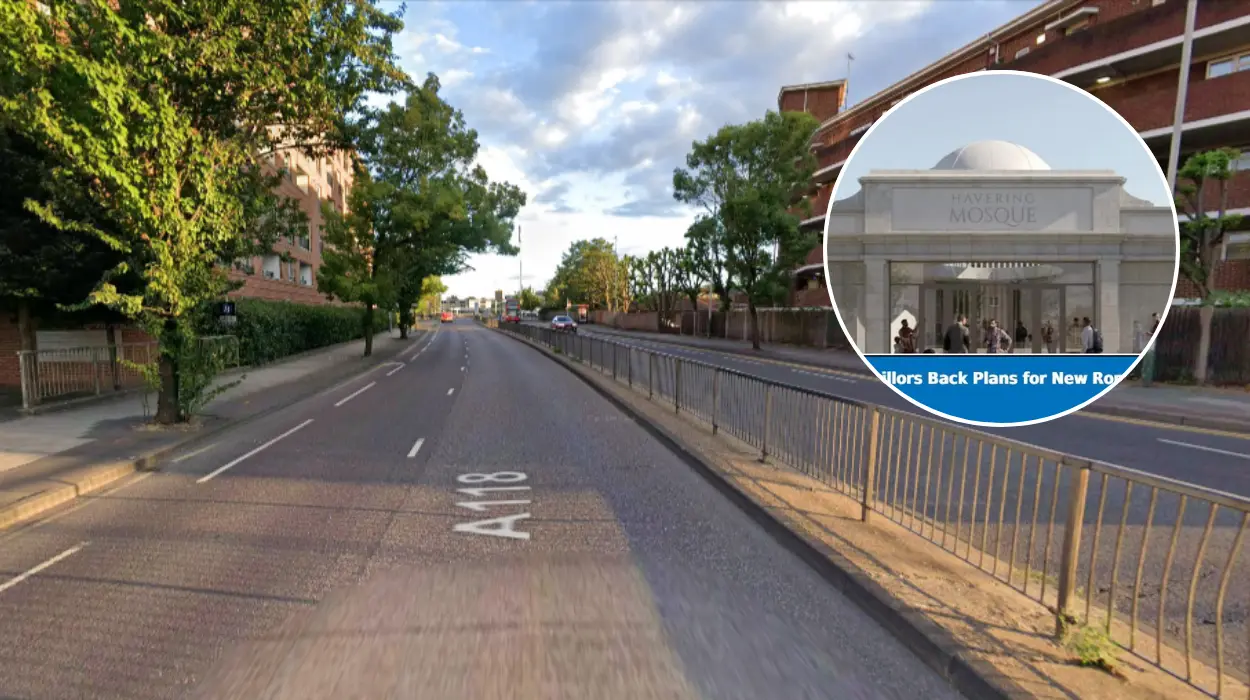
Early proposals detail a redesigned structure that preserves part of the existing façade to maintain some historical continuity. New features include a prominent dome and minaret, hallmarks of Islamic architecture, alongside an extended building to accommodate prayer halls, community spaces, and support facilities for the Islamic centre.
As outlined in initial council documents reviewed during pre-application discussions, the scheme aims to create a functional hub for worship and community activities. The development has undergone multiple pre-application meetings with Havering Council officers, where planners and design reviewers provided feedback that continues to refine the project.
Council members have specifically requested expanded information on critical areas before any full planning application proceeds. These include transport and movement around the site, the overall building design, servicing arrangements for deliveries and maintenance, the projected number of attendees, and prevailing travel patterns to and from the venue.
Why Is the Existing Mosque Facing Relocation?
The driving force behind this proposal is the necessity to relocate the current mosque due to the wider Bridge Close regeneration programme in Romford. This large-scale urban renewal initiative encompasses multiple sites and necessitates the reconfiguration of community assets, including places of worship.
Havering Councillors have previously endorsed public consultation on this relocation, recognising the pressing needs of a growing Muslim population in the borough. The South Street location emerges as a viable alternative, promising enhanced facilities not only for worshippers but also for broader community engagement.
Leaders within the council have actively encouraged residents to participate in consultations with respect, underscoring that all individuals possess equal rights to practise their faith in chosen manners and locations. This stance reflects a commitment to inclusive community planning amid urban development pressures.
How Accessible Is the Proposed Location?
The site at 222–226 South Street lies just south of Romford’s bustling town centre, benefiting from excellent transport links. Proximity to major roads, bus routes, and rail connections positions it as highly accessible for attendees from across Havering and beyond.
However, this prime positioning introduces sensitivities. The area neighbours locally listed buildings, demanding careful architectural integration to preserve the streetscape’s character. Portions of the site also fall near designated flood-risk zones, compelling planners to evaluate environmental resilience and mitigation measures rigorously.
As reported by The Havering Daily in their coverage on 29 January 2026, these factors will weigh heavily in the council’s assessment. Planners must balance accessibility advantages against heritage and environmental constraints to ensure sustainable development.
What Concerns Have Councillors Raised So Far?
During preliminary committee presentations, several key concerns surfaced, shaping the project’s trajectory. Transport and movement emerged as primary issues, with queries over parking, pedestrian flows, and traffic impacts during peak worship times.
Building design drew scrutiny, particularly how the dome and minaret integrate with surrounding structures without overwhelming the locale. Servicing arrangements—for waste, deliveries, and emergencies—require detailed logistics to minimise disruption.
Additionally, councillors highlighted the anticipated number of attendees and resultant travel patterns. Projections must account for daily prayers, Friday congregations, and major events like Eid, ensuring infrastructure copes without straining local resources.
Council members emphasised the need for comprehensive data on these elements prior to determining a full planning application. As noted in the pre-application feedback summarised by The Havering Daily, addressing these proactively could bolster the proposal’s viability.
Who Supports the Mosque Relocation?
Havering Councillors have voiced backing for the public consultation process, viewing the South Street site as an opportunity to deliver superior facilities. They argue it serves not just worshippers but the wider community through potential outreach programmes, education, and interfaith events.
Council leaders have promoted respectful dialogue, reminding residents of legal protections for religious freedom.
“Everyone has equal rights in how and where they worship,”
they stated, urging measured contributions to shape the final plans.
This support aligns with broader borough efforts to accommodate demographic shifts. Romford’s Muslim community, steadily expanding, requires modern infrastructure to sustain spiritual and social needs amid urban regeneration.
Is Planning Approval Guaranteed?
Importantly, these early committee presentations do not equate to planning approval. The process remains at a formative stage, with no formal decision imminent.
A full application, once submitted, will trigger extensive consultation phases, public notices, and thorough evaluations by council officers and independent experts. Only after this rigorous scrutiny will a determination occur, potentially involving public meetings or appeals.
As The Havering Daily clarifies in their 29 January 2026 article, this stepwise approach safeguards transparency and accountability. Residents and stakeholders retain opportunities to influence outcomes through evidenced submissions.
What Role Does Community Consultation Play?
Public consultation forms the cornerstone of Havering’s planning ethos, especially for culturally significant projects. For this mosque proposal, it ensures diverse voices—from worshippers to neighbours—inform refinements.
Councillors advocate early and ongoing engagement, fostering mutual understanding. Past consultations on Bridge Close have demonstrated this model’s efficacy in reconciling development with community priorities.
The council’s call for respectful input reinforces democratic principles. By embedding consultation, the process mitigates tensions, enhancing the likelihood of a consensus-driven resolution.
How Does This Fit into Romford’s Regeneration?
Romford town centre thrives amid regeneration, with Bridge Close exemplifying investments in housing, retail, and public spaces. The mosque relocation dovetails with this vision, repurposing underutilised sites for vibrant community use.
Yet, it underscores regeneration’s complexities: balancing growth against heritage, environment, and equity. The South Street project tests Havering’s ability to integrate faith infrastructure into modern urban fabric.
Success here could set precedents for future faith-based developments borough-wide, promoting inclusive regeneration.
What Happens Next in the Planning Timeline?
Following pre-application refinements, proponents will compile a full submission incorporating feedback. This triggers statutory publicity—site notices, neighbour letters, and online portals—for comment periods typically lasting weeks.
Council planning officers then appraise against local policies, consulting specialists on highways, ecology, and design. A committee or officer decision follows, appealable if contested.
As per standard Havering protocols referenced in The Havering Daily’s reporting, timelines span months, allowing iterative improvements. Monitoring this progression offers residents clear visibility.
Broader Implications for Havering’s Communities
This proposal highlights Havering’s evolving demographics, where faith centres adapt to growth and urban change. It invites reflection on accommodating diversity while upholding planning rigour.
Neutral facilitation by the council exemplifies best practice, prioritising evidence over emotion. Outcomes will resonate, shaping trust in local governance.
In Romford, a town of rich history and dynamism, such developments weave faith into the civic tapestry. As consultations unfold, they promise enhanced facilities, fostering unity in diversity.