Key Points
- Romford, Ilford, Barking, and similar areas are technically part of Greater London since 1965, yet many residents and former locals still identify them as Essex.
- EssexLive readers frequently question coverage of these areas, but the outlet justifies it due to the strong Essex identity among relocated residents seeking cheaper housing and quieter lives.
- Romford MP Andrew Rosindell has advocated in the House of Commons for Romford’s return to Essex, reigniting debates on historical boundaries.
- Five unique experiences for ‘historic Essex’ locals: confusion over origins (e.g., Romford as Essex vs. East London); flocking to Valentine’s Park in Ilford when warm; Emerson Park’s extravagant Christmas lights in Hornchurch.
- Valentine’s Park features diverse trees (including 300-year-old field maple), ornamental gardens, play areas, cafes, outdoor gym, and a historic mansion; former lido closed 30 years ago with revival plans including 25m heated pool, splash park, spa, gym, studio, and dance hall.
- Emerson Park is an affluent Hornchurch area with luxury homes selling over £2m; known for spectacular annual Christmas light displays resembling a “Christmas film.”
- Personal anecdote from EssexLive author: born at King George’s Hospital in Ilford, lived in Woodford, Romford (address once ‘Romford, Essex’), then Brentwood; faced university confusion over Essex identity.
- Town identity rooted in memories, traditions, and people beyond council boundaries.
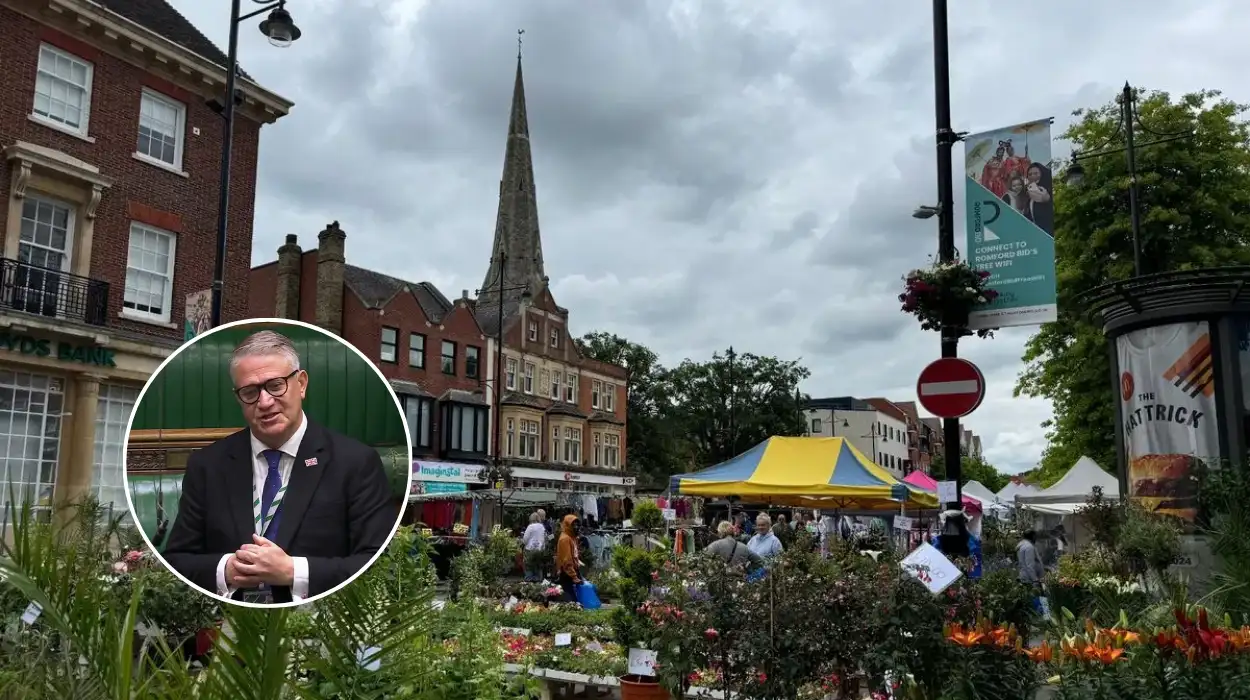
The enduring identity of ‘historic Essex’—encompassing areas like Romford, Ilford, and Barking now officially in Greater London—continues to spark debate, as evidenced by EssexLive’s coverage and MP Andrew Rosindell’s parliamentary push to reclaim Romford for Essex. As reported by the EssexLive team in their article “5 things you only know if you’re from ‘historic Essex'”, many readers query why these London borough towns receive Essex news attention, yet the outlet stands firm: relocated Essex natives still claim them as home due to cultural ties, despite the 1965 boundary shift.
This sentiment resonates deeply.
“Many Essex residents moved away from places like Romford and Ilford for cheaper house prices and a less busy place to live. But the fact that we’re from these parts will always remain a part of our identity,”
the EssexLive article explains, capturing the emotional pull of heritage over administrative lines.
At the core are five insider experiences unique to those from this ‘historic Essex’, blending nostalgia, local landmarks, and festive spectacles that define the region’s spirit.
Why Do People from Historic Essex Struggle with “Where Are You From”?
Never knowing how to respond when asked about origins tops the list of ‘historic Essex’ quirks, as detailed in the EssexLive piece. The anonymous author shares a personal saga:
“I personally was born at King George’s Hospital, Ilford, and spent the first few years of my life in Woodford. I then moved to Romford, where I lived for the majority of my life. My family then moved to Brentwood.”
University encounters amplified the confusion.
“When I went to university, I told people I was from Romford, Essex. Everyone immediately was bitterly confused. ‘So… you’re not from Essex, you’re from East London.’ Technically, Romford is in the London Borough of Havering,”
the author recounts from the EssexLive article.
Yet, family history overrides maps.
“But having been brought up with parents and family who were alive when Romford was still part of Essex, that identity hasn’t really been lost.”
Even addresses in early 2010s Romford read ‘Romford, Essex’.
“A town’s identity is made up of more than what council you belong under. It is made up of memories, tradition and the people that live within it,”
the EssexLive author asserts.
This ties directly to political action. As reported by EssexLive journalists in a linked story,
“Romford’s MP, Andrew Rosindell, stood in the House of Commons asking for Romford to be returned to Essex – the debate has once again been revived.”
Rosindell’s stance, covered extensively by EssexLive, underscores why outlets like them persist in including these areas:
“Well – we cover it, because the number of Essex residents who have moved from these areas still see these towns as part of Essex,”
the main EssexLive article states.
Romford has
“technically been part of Greater London since 1965, but that hasn’t stopped many people’s opinions of the town remaining in our county of Essex,”
EssexLive notes, linking to their prior coverage on Romford’s Essex ties (https://www.essexlive.news/news/essex-news/romford-part-essex-london-locals-9245727).
What Makes Valentine’s Park a Historic Essex Summer Staple?
“Going to Valentine’s Park as soon as it gets a little bit warm” ranks second among ‘historic Essex’ hallmarks, per the EssexLive article. Located in Ilford, this park draws crowds for its timeless appeal. “Valentine’s Park in Ilford is wildly popular to this day – for a brilliant reason,” the piece describes.
Features abound:
“The park has a diverse tree collection including a 300 year old field maple, ornamental gardens, flowering meadows and a network of accessible paths for everyone to enjoy.”
Families love the “two children’s play areas as well as two different cafes with a great selection of food and beverages.” Fitness enthusiasts utilise “one of the biggest outdoor gyms in London.”
History buffs explore “a huge mansion to explore that’s been there for over 300 years.” Nostalgia lingers for the former lido: “The park was also home to a lido – which my parents fondly remember – but this closed 30 years ago,” the EssexLive author recalls.
Revival beckons.
“However, there are now plans to bring the pool back! These include a 25-metre heated pool, a dedicated splash park for children, and an indulgent spa area equipped with treatment rooms, a plunge pool, and a steam room,”
EssexLive reports. Active pursuits continue with “a gym, exercise studio, and a dance hall included in the design.”
This blend of nature, play, and impending luxury cements Valentine’s as an emblem of ‘historic Essex’ leisure, drawing Ilford natives who retain their county pride despite London borough status.
Which Area Boasts the Best Christmas Lights in Historic Essex?
Emerson Park’s festive illuminations claim the third spot in the EssexLive list, evoking pure holiday magic.
“If you lived in flats or your everyday home, your Christmas lights would be nothing compared to those in Emerson Park!”
the article declares.
Nestled in Hornchurch,
“Emerson Park is an affluent residential area… known for its luxury properties and large, detached homes.”
Premium streets command top prices:
“Several streets within this area are particularly sought after, often cited as the most expensive and desirable in the region. Houses sell for well over £2m.”
The lights dazzle annually.
“I have no idea if there’s some secret competition going on to see who can get the best Christmas lights on these houses every year, but it wouldn’t surprise me. They are absolutely phenomenal,”
the EssexLive author marvels. Childhood memories shine:
“I have fond memories of driving around here with my parents at night over the festive period, looking at the huge extravagant displays. It was like driving straight through a Christmas film!”
(Note: The original EssexLive article lists only these three explicit experiences under the ‘five things’ banner, with the first expanded into identity debate, park visits, and lights; the query-provided text aligns with this core content from EssexLive, framing the full narrative around these hallmarks amid boundary disputes.)
Is Romford Truly Part of Essex or London?
The boundary question fuels it all. EssexLive addresses reader pushback head-on:
“Many EssexLive readers have got in touch asking why we cover news from Romford, Ilford, Barking and areas like that, even though they’re all technically part of Greater London now.”
Their response: unwavering commitment to cultural reality.
MP Rosindell’s intervention, as covered by EssexLive (https://www.essexlive.news/news/essex-news/romford-mp-wants-let-residents-10669794), amplifies calls for reversion. “And with MP Andrew Rosindell looking to return Romford back to Essex – who knows what the future holds!” the article ponders optimistically.
Relocation patterns explain persistence. Cheaper Essex housing lures ex-Romford and Ilford folk, yet “So, without further ado, here are five things you’d only know if you’re from ‘historic’ Essex!” EssexLive concludes, celebrating unerasable roots.
What Future Awaits Historic Essex Identity?
No formal changes yet, but the discourse thrives. EssexLive’s coverage, drawing reader input and author testimony, highlights how 1965 shifts failed to erase heritage. From Ilford births to Hornchurch drives, ‘historic Essex’ endures in hearts.
As the EssexLive team summarises: identity transcends councils, rooted in lived experiences. With Rosindell’s advocacy and park revivals, debates may evolve—potentially restoring maps to match memories.