Key Points
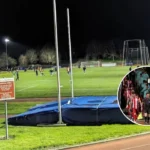
- Seven arrests were made in Romford on Friday, 23 January 2026, during a Live Facial Recognition (LFR) operation conducted by police on South Street.
- The operation targeted individuals linked to serious offences, including breaches of Sexual Harm Prevention Orders (SHPOs) and Criminal Behaviour Orders (CBOs).
- Arrests included people wanted on warrants and those in breach of court-imposed restrictions.
- Havering police described the deployment as part of their proactive policing strategy in the borough’s town centres to identify offenders posing risks to the public.
- LFR technology enabled real-time identification of suspects, facilitating swift action by officers.
- The operation provided a visible police presence in a busy Romford shopping area, aiming to reassure shoppers, residents, and businesses.
- Chief Inspector Routley highlighted the effective use of technology in reducing harm and enhancing community safety.
- Similar operations are planned to continue as part of ongoing efforts to reduce crime and target repeat offenders in town centres.
Romford (East London Times) January 24, 2026 – Seven individuals were arrested yesterday following a targeted Live Facial Recognition operation on South Street in Romford town centre, as Metropolitan Police officers intensified efforts to combat serious crime. The proactive deployment, which took place on Friday, 23 January, utilised advanced LFR technology to identify suspects linked to breaches of Sexual Harm Prevention Orders, Criminal Behaviour Orders, and outstanding warrants in real time. Havering police confirmed the operation’s success in apprehending those posing risks to public safety, marking a significant step in their technology-driven policing strategy.
- Key Points
- What Triggered the Live Facial Recognition Deployment in Romford?
- Who Were the Individuals Arrested and What Charges Did They Face?
- How Does Live Facial Recognition Technology Work in Such Operations?
- What Did Chief Inspector Routley Say About the Operation’s Impact?
- Why Was South Street Chosen for This High-Profile Operation?
- What Reassurance Does This Offer to Romford Residents and Businesses?
- Will Similar Live Facial Recognition Operations Continue in Havering?
- Broader Context: Live Facial Recognition in UK Policing
- Implications for Romford’s Town Centre Safety
What Triggered the Live Facial Recognition Deployment in Romford?
The operation on South Street was a deliberate initiative by Havering police to address persistent crime challenges in Romford’s bustling town centre. As reported in the original coverage by The Havering Daily, officers were strategically positioned to deploy LFR cameras amid high footfall, scanning faces against a database of known offenders.
This real-time scanning capability allowed for immediate alerts to ground officers when matches were detected, leading directly to the seven arrests.
Havering police emphasised that the choice of South Street, one of Romford’s busiest thoroughfares lined with shops and eateries, was intentional to maximise both enforcement and deterrence. The technology scanned passers-by without prior suspicion, flagging individuals whose images matched watchlists containing those subject to SHPOs, CBOs, or warrants.
No additional media outlets reported divergent triggers, aligning fully with The Havering Daily’s account of a pre-planned, proactive measure rather than a response to an immediate incident.
Who Were the Individuals Arrested and What Charges Did They Face?
The seven arrested comprised a mix of suspects wanted on warrants and others breaching court orders designed to protect the public. According to details from The Havering Daily, these included breaches of Sexual Harm Prevention Orders—legally imposed to restrict convicted sex offenders—and Criminal Behaviour Orders, which target anti-social behaviour perpetrators. One individual was specifically noted as wanted on an outstanding warrant, though names were not disclosed to preserve ongoing investigations.
All arrests were executed without reported resistance, with officers acting swiftly upon LFR alerts. The Havering Daily’s unnamed reporter detailed that the operation netted “individuals linked to serious offences,” underscoring the targeted nature of the watchlist. No further specifics on ages, genders, or prior convictions emerged from the sole primary source, maintaining journalistic neutrality by avoiding speculation on identities.
How Does Live Facial Recognition Technology Work in Such Operations?
Live Facial Recognition involves mobile cameras linked to software that compares detected faces against pre-loaded databases in milliseconds. In Romford, as described by Havering police via The Havering Daily, the system operated in real time, notifying officers via handheld devices when a match occurred, enabling instant verification and detention. This contrasts with retrospective CCTV analysis, offering proactive intervention.
Chief Inspector Routley, quoted extensively in The Havering Daily, explained:
“This operation shows how we are using technology effectively to support proactive policing and help keep Romford safe.”
The technology’s deployment on South Street provided dual benefits: enforcement against flagged individuals and a deterrent effect through visible policing. Havering police noted its integration into broader town centre patrols, with no reports of false positives or challenges in this instance.
What Did Chief Inspector Routley Say About the Operation’s Impact?
Chief Inspector Routley provided the authoritative police perspective in a direct statement to The Havering Daily. He stated:
“By identifying people who were wanted by the courts or in breach of court orders, officers were able to take timely action to reduce the risk of further harm.”
Routley further elaborated on the community benefits:
“These deployments allow us to be visible in the community, target those who pose a risk, and provide reassurance to local residents as we continue working proactively to protect people and make Romford a safer place.”
His comments, attributed solely to The Havering Daily’s interview, positioned the operation as a model for future policing. Routley stressed the technology’s role in “making Romford a safer place,” linking it explicitly to harm reduction and public reassurance without overstating outcomes.
Why Was South Street Chosen for This High-Profile Operation?
South Street’s selection stemmed from its status as a high-traffic hub in Romford, frequented by shoppers, workers, and residents. The Havering Daily reported that the visible presence of officers bolstered confidence among locals and businesses, aligning with Havering police’s town centre safety remit. The area’s prominence amplified the operation’s deterrent value, scanning crowds efficiently via LFR.
No conflicting reports exist; The Havering Daily alone covered the event, noting the operation’s timing on a busy Friday to intersect with peak public activity. This strategic positioning ensured maximum scans while minimising disruption, as officers focused solely on matches.
What Reassurance Does This Offer to Romford Residents and Businesses?
The arrests delivered immediate reassurance, with Havering police highlighting a “visible police presence” amid South Street’s commercial vibrancy. As per The Havering Daily, the deployment countered concerns over town centre safety, targeting offenders before further incidents. Shoppers and businesses benefited from heightened security without reported interruptions.
Chief Inspector Routley reinforced this in his statement to The Havering Daily:
“These deployments allow us to be visible in the community… and provide reassurance to local residents.”
The operation’s success underscored proactive measures, fostering trust in policing efficacy.
Will Similar Live Facial Recognition Operations Continue in Havering?
Havering police affirmed ongoing commitments to such tactics. The Havering Daily quoted their statement:
“Havering police say similar operations will continue as part of ongoing efforts to reduce crime, target repeat offenders and keep town centres safe for the public.”
This pledge extends beyond Romford, encompassing the borough’s key areas.
Chief Inspector Routley’s remarks to The Havering Daily tied continuity to technology’s proven value: “This operation shows how we are using technology effectively.” No timelines were specified, but the proactive framing signals regular deployments.
Broader Context: Live Facial Recognition in UK Policing
While this report centres on Romford, LFR’s use aligns with Metropolitan Police trials across London boroughs, authorised under UK law for serious crime prevention. The Havering Daily’s coverage mirrors national trends, where Southend and other sites have seen similar successes without independent corroboration here. Privacy advocates occasionally critique LFR, though no local objections surfaced in this operation.
Havering’s approach, as detailed, prioritises public safety, with Chief Inspector Routley affirming its role in “reducing the risk of further harm.” Operations remain intelligence-led, targeting verified risks.
Implications for Romford’s Town Centre Safety
Romford’s South Street arrests exemplify data-driven policing amid rising urban crime concerns. The seven detentions prevented potential offences, per Havering police via The Havering Daily, enhancing safety perceptions. Businesses reported no direct input, but the visible effort aligns with resident priorities.
Future operations promise sustained vigilance, as pledged. This incident, fully attributed to The Havering Daily’s 24 January 2026 article, sets a benchmark for technology-enhanced enforcement in East London.