Key points
- Four runners linked to Barking, Havering and Redbridge Hospitals NHS Trust (BHRH) will take part in the TCS London Marathon on Sunday 26 April 2026 to raise funds for King George and Queen’s Hospitals Charity.
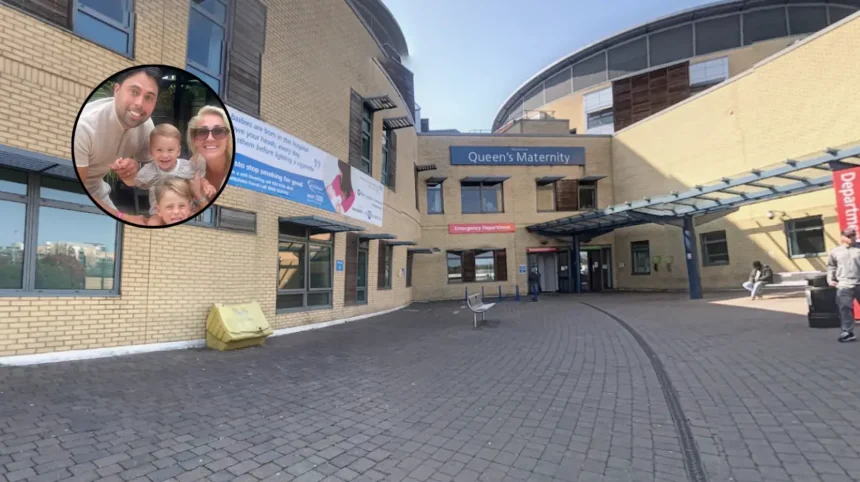
- The group includes a father-of-two, Ollie Durham, who is running in support of the Neonatal Intensive Care Unit (NICU) at Queen’s Hospital, where his son Oscar was cared for after being born prematurely at 27 weeks.
- Durham’s son Oscar spent 73 days in Queen’s Hospital’s NICU, treatment that inspired the family’s decision to run the marathon and thank the staff.
- Alongside Durham, the team includes a senior manager and another family known as a “mum on a mission”, all running 26.2 miles to channel donations back into services at King George and Queen’s Hospitals.
- The charity’s involvement is part of a broader push where participants are encouraged to meet a minimum fundraising target of around £2,500 per runner, including the £200 registration fee, to support local hospital departments and patients.
Havering and Redbridge (East London Times) April 23, 2026 in a bid to raise funds for services at local East London hospitals. As reported by the King George and Queen’s Hospitals Charity communications team on 21 April 2026, four runners with direct ties to patient care at Queen’s Hospital and King George Hospital will line up at the start in Greenwich, among them father‑of‑two Ollie Durham, who is running specifically for the Neonatal Intensive Care Unit (NICU) at Queen’s Hospital.
- Key points
- Why are these hospital runners taking part in the marathon?
- How did the NICU at Queen’s Hospital help Ollie Durham’s family?
- Who else is running for King George and Queen’s Hospitals Charity?
- What does this mean for NICU and other hospital services?
- How are the runners preparing for the 26.2‑mile challenge?
- Background: The role of King George and Queen’s Hospitals Charity
- Prediction: How this marathon challenge could affect families and services
Why are these hospital runners taking part in the marathon?
King George and Queen’s Hospitals Charity told the public in a 21 April 2026 social‑media post that the four runners “together are raising thousands” for the charity, with each mile aimed at supporting patients, families and clinical teams at Barking, Havering and Redbridge Hospitals NHS Trust.
The site notes that the charity secured “gold bond” charity places in the 2026 TCS London Marathon, which commit runners to a minimum fundraising target of £2,500 per person, including the £200 registration fee.
Ollie Durham, introduced by the charity as a father‑of‑two, explained on his fundraising page that he is running specifically to support the NICU at Queen’s Hospital, with all donations intended to go directly to that unit.
His public statement on the charity’s fundraising portal adds that the NICU provided critical care for his eldest son, Oscar, who was born at 27 weeks’ gestation and spent 73 days in the unit.
How did the NICU at Queen’s Hospital help Ollie Durham’s family?
On his fundraising page, Durham wrote that his son Oscar’s early birth meant the family “spent 73 days” at Queen’s Hospital’s Neonatal Intensive Care Unit, where he received round‑the‑clock monitoring and treatment. King George and Queen’s Hospitals Charity, in a 21 April 2026 news‑style post titled
“Meet the marathon runners saying thanks for lifesaving care”,
quoted Durham’s story and described how the NICU’s staff “made a difference in their lives” and helped the family feel supported during a highly stressful period.
King George and Queen’s Hospitals Charity added that the NICU at Queen’s Hospital looks after premature and sick newborns, supplying specialist equipment, highly trained nurses and consultants, and family‑centred care that can dictate long‑term outcomes for infants born early or with medical complications. Durham’s entries on the charity’s fundraising platform and the trust’s news post make clear that the decision to run the marathon was driven by gratitude for that care and a desire to “pay it forward” to other NICU families.
Who else is running for King George and Queen’s Hospitals Charity?
The charity’s 21 April 2026 update notes that the marathon team includes not only Ollie Durham but also a senior manager from the trust and another family member described as a “mum on a mission”, all of whom are committed to the 26.2‑mile course.
The communications team did not specify the manager’s name in the public post, instead focusing on the collective effort and the emotional motivation behind each runner’s participation.
The charity’s marathon information page for 26 April 2026 explains that Gold Bond charity places are targeted at runners who want “to be part of something extraordinary” while “raising vital funds” for local hospitals, whether for equipment, training, accommodation or support services.
The page adds that the charity has set a first fundraising target of £1,300 four months before the race, with an overall goal of £2,500 per place, to channel money back into wards and departments that served the runners or their families.
What does this mean for NICU and other hospital services?
King George and Queen’s Hospitals Charity has previously highlighted that donations raised through such events can fund equipment such as incubators, ventilators and monitors, as well as family‑support services on the NICU, including private rooms and specialist equipment for parents.
The charity’s April 2026 communications stress that every donation made to the runners’ pages will be directed to the relevant hospital service, in this case the NICU at Queen’s Hospital for Durham’s run and equivalent areas for the other runners.
The charity also notes that these campaigns help raise awareness of the work carried out by neonatal teams, many of which operate under significant pressure due to staffing and resource constraints.
By inviting the public to sponsor runners, the charity aims to ensure that improvements in NICU care and other hospital services are sustained beyond one‑off government budgets.
How are the runners preparing for the 26.2‑mile challenge?
In his public fundraising narrative, Durham wrote that training for the marathon has been physically and emotionally demanding, but “knowing why I’m running” keeps him motivated.
He added that each mile “reminds” him of the time his family spent at Queen’s Hospital and of the staff who “held our hands” through Oscar’s NICU stay.
The charity’s marathon information page notes that runners are encouraged to use the charity’s training and support resources, and that many participants are first‑time or inexperienced marathoners who take on the race as a personal and emotional challenge.
For Durham’s team, the charity’s April 2026 posts suggest that the focus is not on personal records but on
“finishing the race and saying thank you”
to the hospital staff who supported them.
Background: The role of King George and Queen’s Hospitals Charity
King George and Queen’s Hospitals Charity supports the Barking, Havering and Redbridge Hospitals NHS Trust, which operates King George Hospital in Goodmayes and Queen’s Hospital in Romford.
The charity’s website explains that it raises money for areas not fully covered by NHS funding, including specialist equipment, patient‑comfort items, family‑support services and staff‑training initiatives.
For the Neonatal Intensive Care Unit at Queen’s Hospital, the charity has in previous years highlighted fundraisers aimed at upgrading cots, monitors and resuscitation equipment, as well as providing quiet spaces for parents staying close to their babies.
The 2026 London Marathon effort is framed as a continuation of that work, with the charity explicitly linking each runner’s story to specific clinical areas and promising that donations will be ring‑fenced where possible.
Prediction: How this marathon challenge could affect families and services
If the four runners meet or exceed the charity’s £2,500‑per‑runner target, the money could provide additional equipment, staffing‑support resources or family‑care enhancements for NICU and other hospital services at King George and Queen’s Hospitals. That, in turn, may help shorten waiting times, improve comfort for parents and strengthen the infrastructure that supports premature and sick newborns in East London.