London is often described as a global capital of opportunity, diversity, and constant transformation. As one of the world’s most influential cities, it continues to evolve at a remarkable pace, shaped by economic development, migration, and urban regeneration. Yet beneath its modern skyline and expanding infrastructure lies a more complex reality: the ongoing tension between rapid urban growth and the preservation of community identity.
Nowhere is this transformation more visible than in East London, an area that has undergone significant change over the past two decades. Once known primarily for its industrial character and working-class neighbourhoods, East London has become a focal point for regeneration projects, residential developments, and cultural expansion. While these changes have brought investment and opportunity, they have also raised important questions about social cohesion, affordability, and the long-term identity of local communities.
Urban Growth and Transformation
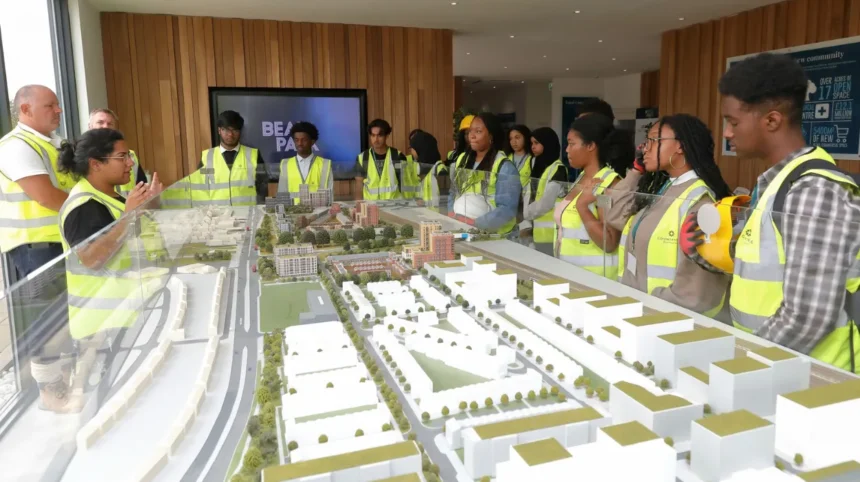
The transformation of London’s urban landscape is not a new phenomenon, but its pace has accelerated significantly in recent years. Large-scale redevelopment projects, improved transport links, and rising demand for housing have reshaped entire districts. Former industrial zones have been converted into modern residential and commercial spaces, attracting new residents from across the UK and around the world.
This influx of population has contributed to economic growth and cultural diversity. Cafés, small businesses, and creative industries have flourished in many regenerated areas, particularly in East London, where innovation and entrepreneurship are increasingly visible. For many, this represents progress—a sign of a vibrant, forward-looking city adapting to global change.
However, urban growth also brings challenges. Rising property prices and living costs have made it increasingly difficult for some long-term residents to remain in their neighbourhoods. As new developments emerge, concerns about displacement and social inequality have become more prominent in public debate.
The Question of Community Identity
One of the most significant issues facing rapidly changing cities is the preservation of community identity. In areas undergoing intense redevelopment, long-established social networks can become fragmented as populations shift and neighbourhood dynamics change.
For many residents, a sense of belonging is closely tied to local history, shared experiences, and long-standing relationships. When these elements are disrupted, communities may struggle to maintain their cohesion. At the same time, new residents bring different cultures, traditions, and perspectives, enriching the social fabric in new and unexpected ways.
The challenge, therefore, is not simply about preserving the past or embracing change, but about finding a balance between the two. Successful urban communities are often those that manage to integrate new and existing populations in a way that fosters mutual understanding and respect.
Social Cohesion in a Diverse City
London’s strength has always been its diversity. People from different backgrounds, cultures, and nationalities live and work side by side, contributing to the city’s global identity. However, diversity alone does not automatically guarantee social cohesion.
Community cohesion depends on interaction, shared spaces, and opportunities for engagement. Local initiatives, community centres, and cultural programmes play an important role in bringing people together. These platforms allow residents to connect beyond economic or cultural differences, fostering a sense of unity within diversity.
In East London, numerous grassroots organisations and local projects have emerged with the aim of strengthening community ties. These initiatives often focus on education, youth engagement, cultural exchange, and social support. By encouraging participation, they help bridge gaps between different groups and promote a more inclusive urban environment.
The Role of Local Media
Local media also plays a crucial role in shaping how communities understand themselves. By reporting on neighbourhood developments, highlighting local achievements, and addressing social issues, community-focused journalism provides a voice for residents who might otherwise go unheard.
In a rapidly changing media landscape dominated by global news platforms, local outlets remain essential for maintaining a connection between people and place. They offer a more detailed and grounded perspective on issues that directly affect daily life, from housing and transport to education and public services.
By reflecting both the challenges and successes of urban life, local journalism contributes to a more informed and engaged public. It also helps ensure that the human dimension of urban development is not lost amid broader economic and political discussions.
Balancing Development and Sustainability
As London continues to grow, policymakers and urban planners face the complex task of balancing development with long-term sustainability. Economic expansion and infrastructure improvement are essential for maintaining the city’s global competitiveness, but they must be accompanied by strategies that protect social stability.
Affordable housing, inclusive planning, and community consultation are key elements in achieving this balance. Without them, cities risk becoming increasingly divided, with wealth and opportunity concentrated in certain areas while others are left behind.
Sustainable urban development is not only about environmental considerations, but also about social equity. Ensuring that all residents benefit from growth is essential for maintaining trust and stability within urban communities.
The Future of London’s Communities
Looking ahead, the future of London will depend on its ability to manage change without losing the essence of what makes it unique. As new developments continue to reshape the city, the importance of community engagement, cultural understanding, and inclusive planning will only increase.
East London, with its history of transformation, stands as a symbol of both opportunity and challenge. It reflects the broader story of modern cities: places where progress and tradition exist side by side, often in delicate balance.
Ultimately, the success of urban development will not be measured solely by buildings, infrastructure, or economic growth, but by the strength of the communities that inhabit these spaces. A truly successful city is one where people not only live, but also feel connected, valued, and included.