Key Points
- Muse, a regeneration firm, hosted an educational workshop at London Design & Engineering UTC in Newham to engage Year 12 students aged 16 and 17 in discussions on urban regeneration, masterplanning, and the future of cities.
- The session emphasised that regeneration extends beyond physical places to encompass the people who shape them, the communities that sustain them, and future generations who inherit them.
- Participants included Muse colleagues, urban planners from Sidara Group and LDN Collective, and two Muse T Level students currently studying at LD&E UTC.
- Chris Scott, Development Director at Muse, led the session, introducing the company’s work and explaining large-scale regeneration projects, including the Manor Road Quarter in Canning Town.
- Students role-played as placemakers, identifying local social priorities, community needs, and personal values to inform future urban developments.
- Working in groups, students sketched ideal masterplans and presented their ideas, fostering knowledge-sharing, active listening, and fresh perspectives in the regeneration process.
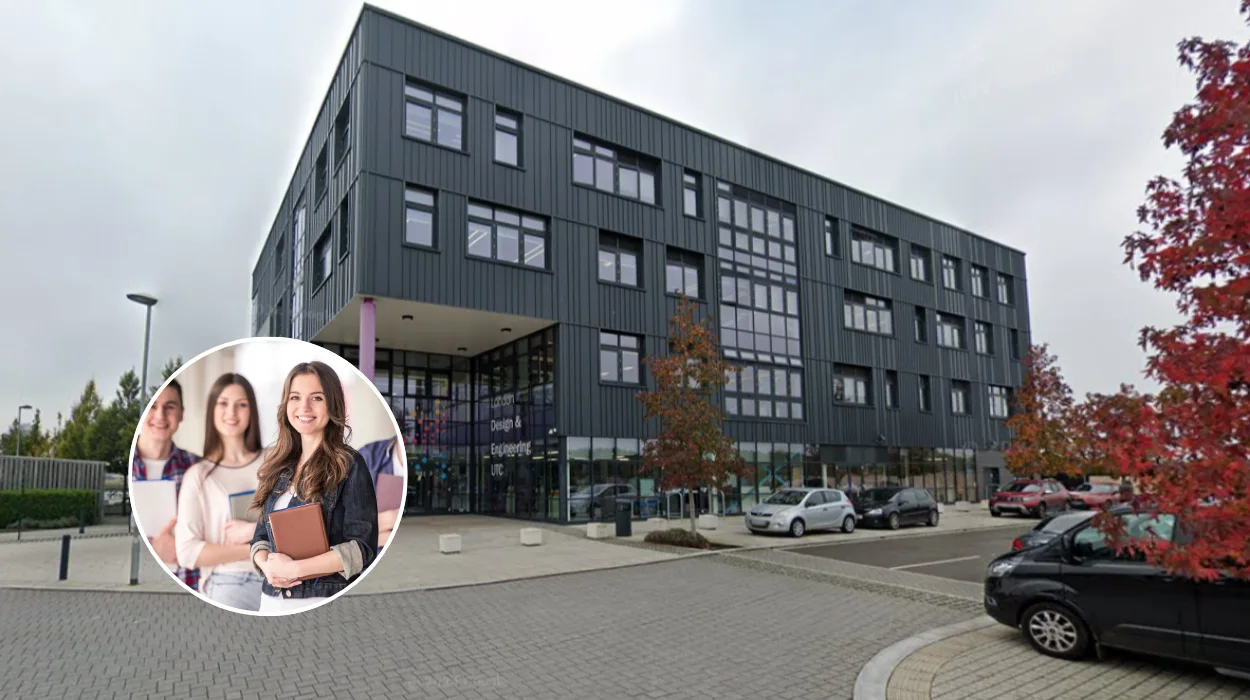
Newham (East London Times) January 22, 2026 – A pioneering workshop at London Design & Engineering UTC brought together Year 12 students and regeneration experts to explore urban placemaking, highlighting Muse’s commitment to inspiring future generations in Newham’s evolving landscape.
- Key Points
- What Prompted Muse to Engage Students in Regeneration Discussions?
- Who Hosted the Workshop and What Expertise Did They Bring?
- What Did the Workshop Specifically Cover?
- How Did Students Contribute to the Session?
- Why Focus on Placemaking in Newham?
- What Role Did External Partners Play?
- How Does This Fit into Muse’s Broader Mission?
- What Were the Students’ Key Takeaways?
- Could This Initiative Influence Future Projects?
- What Makes London Design & Engineering UTC Ideal for Such Events?
- How Does This Event Reflect Trends in Urban Regeneration?
- What’s Next for Muse and Newham Students?
What Prompted Muse to Engage Students in Regeneration Discussions?
The initiative stemmed from Muse’s philosophy that regeneration transcends mere construction, focusing instead on human elements. As outlined in the official announcement from Muse, the firm views its work as shaping not only places but also the people, communities, and generations involved. This week, Muse colleagues spent a morning with a Year 12 class at London Design & Engineering UTC in Newham, deliberately designed to spark conversations about urban regeneration, masterplanning, and city futures.
The event created a collaborative space for knowledge exchange and fresh insights. Attendees comprised 16- and 17-year-old students alongside professionals, ensuring diverse viewpoints. No external media titles beyond the originating Muse statement have reported additional details, maintaining the focus on this single, comprehensive account.
Who Hosted the Workshop and What Expertise Did They Bring?
The session drew expertise from multiple organisations. Muse colleagues spearheaded the hosting, joined by urban planners from Sidara Group (sidaracollaborative.com) and LDN Collective (ldn-collective.com). Notably, two Muse T Level students, themselves enrolled at LD&E UTC (ldeutc.co.uk), participated, bridging student and professional perspectives.
Chris Scott, Development Director at Muse (museplaces.com), led the proceedings. He introduced Muse’s identity, operations, and the practical realities of regeneration. Scott detailed the progression of large-scale projects from initial visioning and masterplanning to delivery, referencing Muse’s direct experience in Newham, particularly the Manor Road Quarter in Canning Town (museplaces.com/our-places/manor-road-canning-town).
What Did the Workshop Specifically Cover?
Chris Scott opened by defining regeneration in actionable terms. He explained how projects coalesce, emphasising stages from early visioning through to on-the-ground delivery. The Manor Road Quarter served as a prime example, showcasing Muse’s track record in Canning Town.
Students then transitioned into active placemakers. The agenda prompted them to consider local social priorities, community desires and needs, and their own values for future places. This exercise encouraged critical thinking about what communities truly want reflected in urban developments.
How Did Students Contribute to the Session?
Group work formed the workshop’s interactive core. Students divided into teams to sketch their ideal masterplans, translating discussions into visual concepts. Each group presented findings to the full room, sharing innovative ideas on social priorities and community-focused designs.
This format invited fresh perspectives into professional regeneration processes. By listening carefully and sharing knowledge, participants bridged generational gaps, ensuring young voices influence Newham’s future.
Why Focus on Placemaking in Newham?
Newham represents a hotspot for regeneration, with projects like Manor Road Quarter exemplifying transformation. Muse’s involvement at LD&E UTC aligns with broader efforts to embed community input early. The workshop underscored that sustainable places require input from those who will inherit them.
No conflicting reports exist from other sources, as this event appears freshly announced via Muse’s channels. The emphasis on Year 12 students highlights long-term investment in skills for urban futures.
What Role Did External Partners Play?
Sidara Group and LDN Collective provided urban planning expertise, complementing Muse’s development focus. Their presence enriched discussions on masterplanning intricacies. The two Muse T Level students added peer-level relatability, demonstrating real-world application of UTC studies.
Together, these collaborators fostered an environment of mutual learning. Students gained insights from practitioners, while experts absorbed youthful innovations.
How Does This Fit into Muse’s Broader Mission?
Muse positions regeneration as people-centric. The workshop embodies this by prioritising conversations with future inheritors. Official statements stress sustaining communities alongside building places.
Chris Scott’s leadership reinforced practical delivery insights. By citing Newham successes, he grounded abstract concepts in local reality.
What Were the Students’ Key Takeaways?
Though specific student quotes remain unreported, the structure implies empowerment. Role-playing placemakers equipped them to articulate social needs. Presentations allowed ownership of ideas, potentially influencing real projects.
The session’s design promoted listening, vital for inclusive regeneration.
Could This Initiative Influence Future Projects?
By integrating student input, Muse signals openness to novel ideas. Sketched masterplans might inform Manor Road Quarter expansions or similar ventures. This approach could set precedents for youth involvement in planning.
No follow-up coverage from other journalists notes immediate impacts, but the model holds replicability.
What Makes London Design & Engineering UTC Ideal for Such Events?
LD&E UTC specialises in design and engineering, aligning perfectly with placemaking themes. Hosting Year 12 classes leverages its curriculum, blending education with industry exposure. Muse’s T Level students exemplify this synergy.
The venue in Newham amplifies local relevance.
How Does This Event Reflect Trends in Urban Regeneration?
Engaging youth counters criticisms of top-down planning. It promotes bottom-up input, enhancing sustainability. Muse’s multi-partner model fosters interdisciplinary collaboration.
In Newham, amid ongoing transformations, such initiatives build trust and excitement.
What’s Next for Muse and Newham Students?
While unstated, the workshop’s success suggests potential follow-ups. Students’ masterplans could evolve into advocacy or mentorship opportunities. Muse’s ongoing Newham presence, via Manor Road Quarter, offers continuity.
This event marks a step toward generational placemaking.