Key Points
- Newham Council closed its local museum over 30 years ago; a replacement, the Newham Heritage Centre, is now set to open in Canning Town.
- A £2.7 million grant from the National Lottery Heritage Fund supports the conversion of the Grade II-listed Old Library into the new centre.
- The centre will house Newham Council’s historic archives and serve as the permanent home for the borough’s archive and museum collections.
- The Old Library has historical ties to the Trade Union and Suffragette movements, including Will Thorne’s founding of the GMB Union in 1899.
- Collections include over 3,000 photographic images, thousands of objects spanning prehistoric times to the present, covering global events, industry, political change, art, and everyday life in Newham.
- Notable items: over 100 pieces of Bow Porcelain and the largest collection of works by self-taught artist Madge Gill.
- The borough’s archive is currently managed by Newham Heritage Service, which operates the Newham Local Studies and Archives Library in Stratford, the Newham Photos website, and former collections from the Passmore Edwards Museum and North Woolwich Old Station Museum.
- Eilish McGuinness, Chief Executive of the National Lottery Heritage Fund, highlighted investments of £3.4 billion in over 10,600 historic buildings and monuments thanks to National Lottery players over the last 30 years.
- The grant will boost wellbeing, create learning opportunities for young people, and drive local pride and prosperity through heritage.
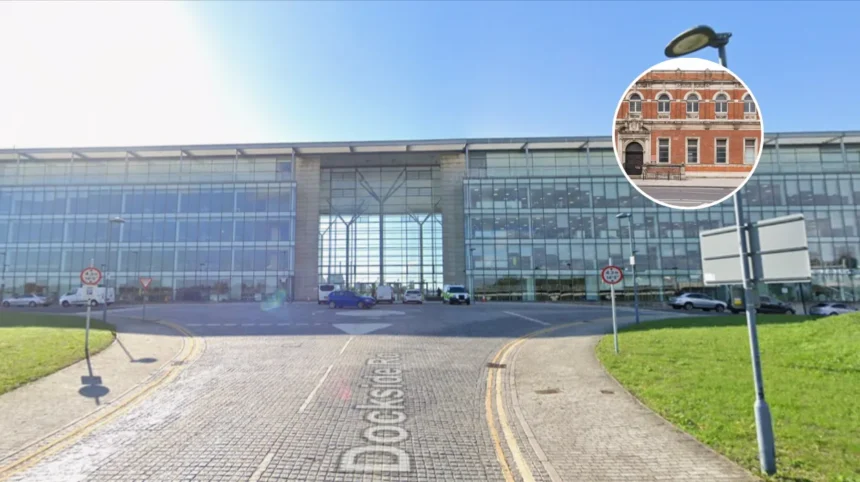
Newham, London (East London Times) February 17, 2026 – More than thirty years after Newham Council closed its local museum, work has begun to transform the Grade II-listed Old Library in Canning Town into the Newham Heritage Centre, backed by a £2.7 million grant from the National Lottery Heritage Fund. This new facility will permanently house the borough’s historic archives and museum collections, preserving a rich tapestry of local and global history. The project marks a significant revival of cultural heritage in the area, addressing a long-standing gap in community access to Newham’s past.
- Key Points
- Why Is Newham Reviving Its Museum After 30 Years?
- What Historic Collections Will the Newham Heritage Centre House?
- How Will the £2.7 Million Grant Be Utilised?
- What Is the Historical Significance of the Old Library?
- Who Manages Newham’s Current Heritage Services?
- Why Does This Project Matter for Local Pride and Prosperity?
- What Challenges Did Newham Face Without a Local Museum?
- How Does Bow Porcelain Fit into Newham’s Story?
- What’s Next for the Newham Heritage Centre?
Why Is Newham Reviving Its Museum After 30 Years?
The closure of Newham’s original museum over three decades ago left the borough without a dedicated space for its cultural artefacts, but the Newham Heritage Centre aims to rectify this. As detailed in coverage by Ian Visits, work to create the centre has already started, with the grant ensuring the Old Library’s conversion can accommodate Newham Council’s extensive archives. The building’s historical significance underscores the project’s importance, linking directly to pivotal moments in labour and women’s rights history.
The Old Library connects to the Trade Union movement through Will Thorne, who founded the GMB Union in 1899, and the Suffragette movement, making it an apt venue for heritage preservation. Thousands of objects in the collection span from the prehistoric era to today, encompassing major global events, industrial developments, political shifts, art, and glimpses of everyday life in Newham. This comprehensive scope positions the centre as a vital educational resource.
What Historic Collections Will the Newham Heritage Centre House?
The Newham Heritage Centre will safeguard a diverse array of items, including a photographic collection exceeding 3,000 images, as noted in reports on the project. Over 100 pieces of Bow Porcelain, a celebrated 18th-century English porcelain known for its delicate craftsmanship, form part of the holdings. Additionally, the centre boasts the largest collection of works by Madge Gill, the self-taught artist whose intricate spiritualist drawings captured her visions and gained recognition in the 20th century.
These collections were previously managed under the Newham Heritage Service, which oversees the Newham Local Studies and Archives Library in Stratford. The service also maintains the Newham Photos website and curates artefacts from the former Passmore Edwards Museum and North Woolwich Old Station Museum. Consolidating these into the new centre ensures better preservation and public access.
How Will the £2.7 Million Grant Be Utilised?
The National Lottery Heritage Fund’s £2.7 million award covers essential conversion work on the Old Library, enabling it to meet modern archival standards while respecting its Grade II-listed status. This funding supports structural adaptations, climate control for delicate items, and public exhibition spaces. As reported across various sources, the grant builds on the Fund’s broader mission to sustain UK heritage.
Eilish McGuinness, Chief Executive of the National Lottery Heritage Fund, stated:
“Thanks to National Lottery players over the last 30 years, we have invested £3.4bn in more than 10,600 historic buildings and monuments, ensuring the UK’s heritage is valued, cared for, and sustained.”
She further emphasised:
“These projects will boost wellbeing, create learning opportunities for young people and make heritage a powerful driver of local pride and prosperity.”
What Is the Historical Significance of the Old Library?
The Grade II-listed Old Library stands as a testament to Newham’s radical past. Its ties to Will Thorne’s establishment of the GMB Union in 1899 highlight the borough’s role in Trade Union history, while connections to the Suffragette movement reflect early struggles for women’s rights. Ian Visits detailed how these links make the building ideal for housing collections that document political change and social movements.
Newham’s history, as preserved in the archives, weaves through prehistoric settlements, industrial revolutions, and modern multiculturalism. Objects ranging from everyday tools to art pieces illustrate life across eras, providing context for the borough’s evolution from docklands hub to diverse urban community.
Who Manages Newham’s Current Heritage Services?
Prior to the new centre, the Newham Heritage Service has stewarded the borough’s collections effectively. This includes running the Newham Local Studies and Archives Library in Stratford, a key resource for researchers and locals. The service also administers the Newham Photos website, offering online access to thousands of images, and maintains legacies from the Passmore Edwards Museum—named after the philanthropist who funded libraries—and the North Woolwich Old Station Museum, which chronicled railway heritage.
These efforts have kept Newham’s stories alive despite the museum’s absence, bridging the gap until the Heritage Centre opens. The transition will centralise operations, enhancing efficiency and outreach.
Why Does This Project Matter for Local Pride and Prosperity?
Eilish McGuinness underscored the transformative potential of such initiatives, noting their role in fostering wellbeing and youth engagement. In Newham, a borough with rich immigrant histories and working-class roots, the centre promises to instil pride by showcasing untold stories. It aligns with broader UK efforts to democratise heritage, making it accessible beyond elites.
The project arrives amid growing recognition of cultural institutions’ economic impact. By drawing visitors to Canning Town, it could stimulate tourism, support local businesses, and create jobs in curation and education. National Lottery funding exemplifies public investment in community assets.
What Challenges Did Newham Face Without a Local Museum?
For over 30 years, Newham residents lacked a physical space to engage with their heritage, relying on scattered services like the Stratford library. This dispersal limited school trips, family visits, and public exhibitions, potentially eroding cultural identity. The Passmore Edwards and North Woolwich museums’ closures compounded the loss, scattering collections.
Reuniting these under one roof addresses past fragmentation. The £2.7 million grant overcomes financial hurdles that stalled prior revival attempts, ensuring sustainability.
How Does Bow Porcelain Fit into Newham’s Story?
Bow Porcelain, produced in the 18th century at a factory in nearby Bow, represents early industrial innovation. Over 100 pieces in the collection highlight Newham’s manufacturing legacy, predating global events like the World Wars. Restoration efforts, as referenced in specialist reports, preserve these fragile items for display.
Similarly, Madge Gill’s works—automatic drawings produced in trance-like states—offer a unique outsider art perspective. Her largest collection here cements Newham’s status as a hub for unconventional creativity.
What’s Next for the Newham Heritage Centre?
Construction progresses on the Old Library, with the grant accelerating timelines towards an opening that promises free public access. Newham Council plans interactive exhibits, workshops, and digitisation to complement physical visits. Partnerships with the Heritage Fund ensure long-term viability.
As Canning Town evolves with regeneration, the centre anchors community memory. Residents anticipate a space that not only preserves the past but inspires future generations, fulfilling Eilish McGuinness’s vision of heritage as a prosperity driver.